
News
Easier to the US, More Steps for Europe: What Changing Travel Rules Mean for Australians
Airport departures timetable showing Delta and Alaska Airlines flights on time and boarding
Article content
Easier to the US, More Steps for Europe: What Changing Travel Rules Mean for Australians
Two separate changes to international travel rules are set to pull in opposite directions for Australian holidaymakers and business travellers. Entering the United States is expected to become faster for frequent visitors, while a trip to most of Europe will soon require a pre-travel authorisation that did not exist before.
Australia has signed on to join the US Global Entry program, and at the same time the European Union is moving ahead with the European Travel Information and Authorisation System (ETIAS). Neither change strips away visa-free access, but both reshape what travellers need to do before they fly.
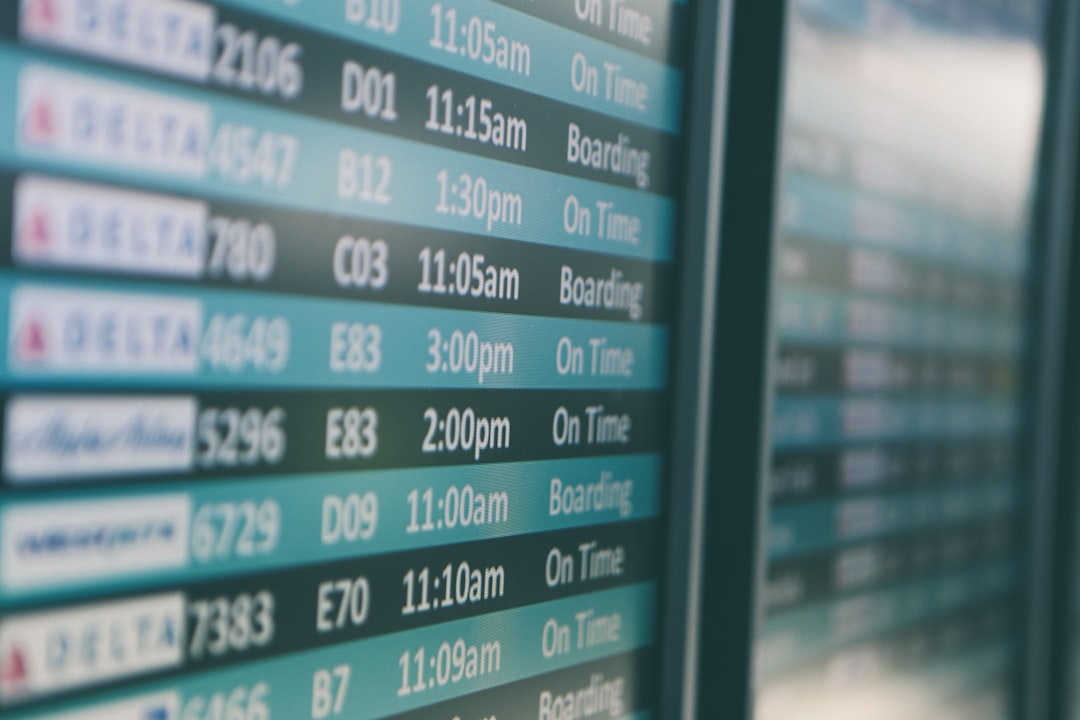 Photo by Matthew Smith on Unsplash
A faster lane into the United States
Global Entry is run by US Customs and Border Protection and lets pre-approved, low-risk travellers use an expedited screening line on arrival, heading to an automated kiosk instead of waiting in long inspection queues. Membership also opens access to the Transportation Security Administration's PreCheck program, which speeds up screening for domestic US flights.
The benefit comes with a process. Applicants must complete an online application through CBP's Trusted Traveler Programs website, pass a rigorous background check, and attend a scheduled interview before final approval. A five-year membership costs US$100, or close to A$150, and the full application can take weeks to complete.
Access is being phased in. The first stage was set to launch in January 2025 for around 1,000 frequent travellers who had visited the US at least five times in the previous 12 months. A later phase, which requires Australian legislation, is expected to open the program to all Australian citizens later in 2025.
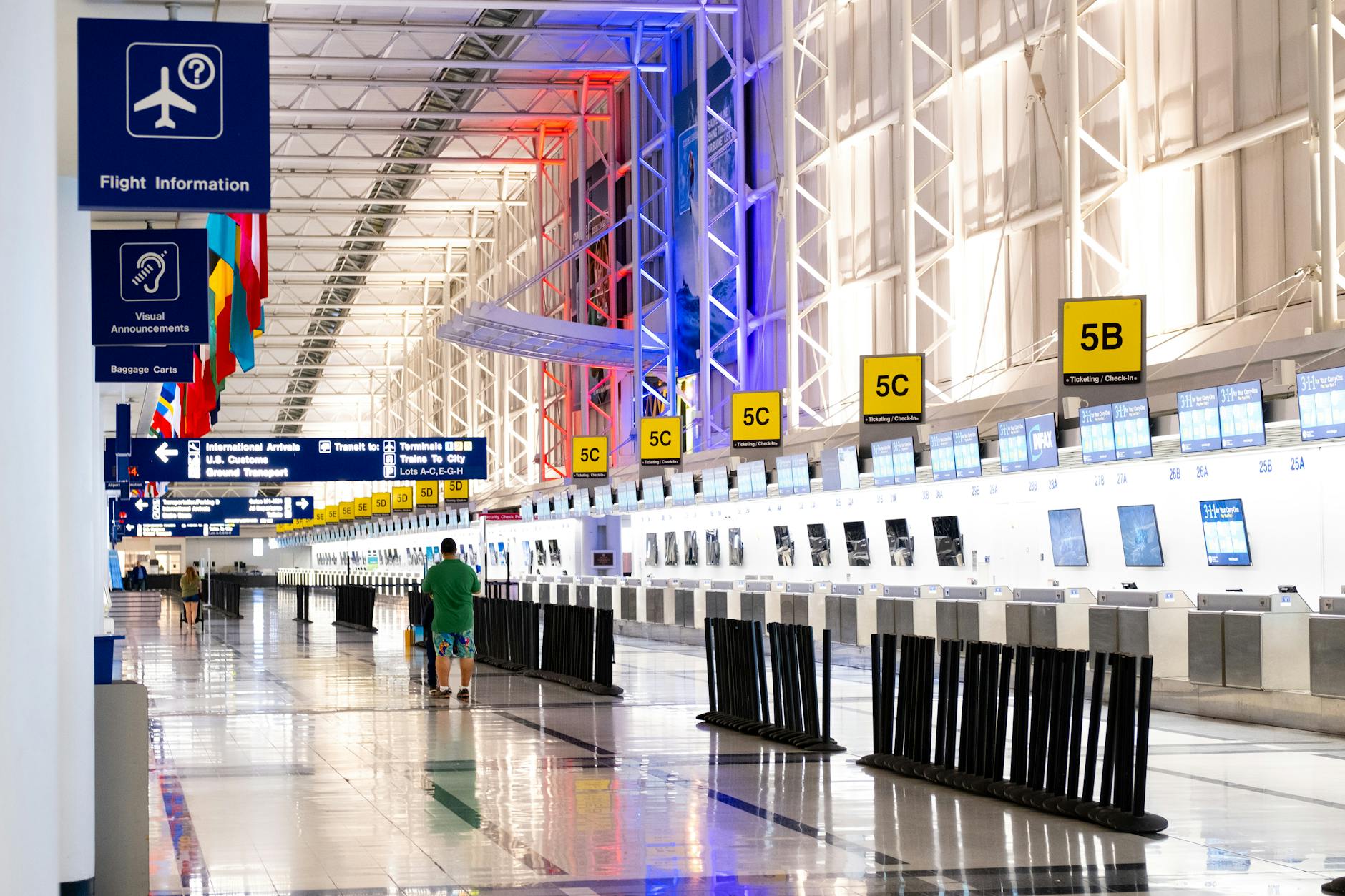 Photo by Matthew Turner on Pexels
An extra step for Europe
Until now, Australians could travel to most of Europe on their passport alone. Under ETIAS, visa-exempt visitors will instead need to obtain an electronic travel authorisation before arriving. The application is made online or through a mobile app, is linked to the traveller's passport, and in most cases is approved within minutes.
Once granted, the authorisation is valid for up to three years and allows short stays of up to 90 days in any 180-day period across the participating countries. At the time of this announcement, the fee was set at €7, roughly A$11.50. The system was scheduled to take effect in the first half of 2025, although the EU had not yet fixed a firm start date.
Planning ahead for both systems
The practical takeaway for Australian travellers is to check the requirements well before departure rather than at the airport. Global Entry rewards advance planning because of its interview and background-check stages, while ETIAS is quick but still mandatory once it goes live. If you are unsure whether the European authorisation will apply to your trip, it is worth reviewing who needs to apply for ETIAS before you book.
Taken together, the two changes reflect a broader global shift towards digital, pre-screened border processing. For Australians, the destinations remain open, but the paperwork increasingly happens online and in advance.
Tags:
Source:
Image Sources:
- Header image: Photo by Matthew Smith on Unsplash
- Teaser image: Photo by Matthew Turner on Pexels