
News
British Nationals to Face a €7 Fee to Enter the Schengen Area
Pack your bags and seize adventure with sturdy luggage and passport ready.
Article content
British Nationals to Face a €7 Fee to Enter the Schengen Area
The European Commission has announced that British nationals will have to pay a visa-waiver fee to enter Europe's Schengen Area next year. The charge is linked to the European Travel Information and Authorisation System (ETIAS), an online platform that forms part of a wider plan to improve border security across the Schengen Area.
ETIAS is currently set to launch before the end of 2022 and will affect visa-exempt non-EU nationals — a group that now includes UK citizens following Britain's departure from the European Union.
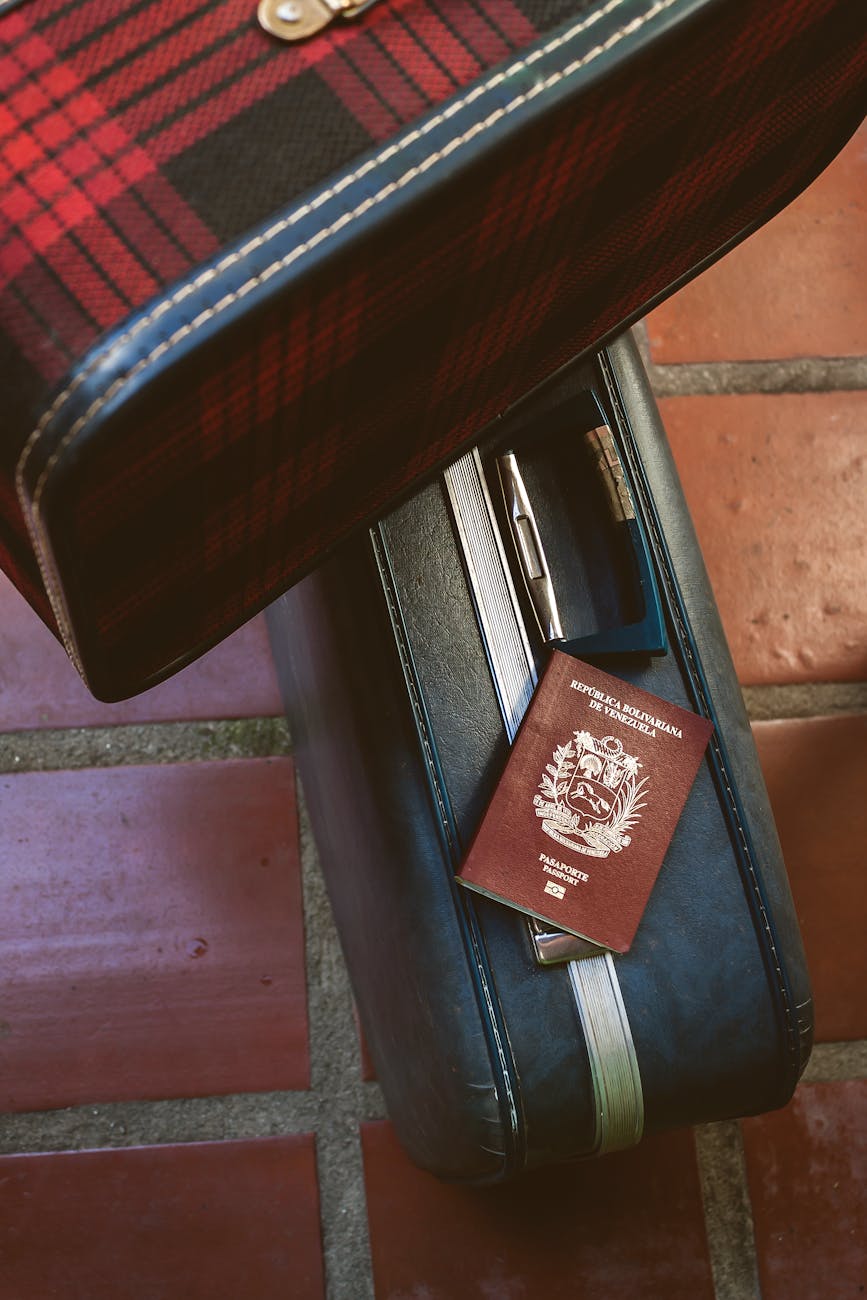 Photo by Arturo Añez. on Pexels
What ETIAS will cost and how it works
The ETIAS authorisation will cost €7 for all applicants aged 18 to 70. It is a one-off fee, valid for three years and for multiple entries into the Schengen states. Travellers under 18 or over 70 will not be charged, but they must still apply — completing the application is mandatory regardless of age.
Applicants fill in an online form through the official website or app. The EU Commission expects the vast majority of cases — more than 95 per cent — to be approved automatically within minutes. Where further checks are required, issuing the authorisation may take up to 30 days.
Once granted, ETIAS becomes a mandatory condition of entry to the Schengen states. Border guards will check it alongside travel documents whenever a traveller crosses the EU's external border. If you are preparing for the change, you can start your ETIAS application and review the requirements in advance.
 Photo by Pixabay on Pexels
Why the EU is introducing the system
The Commission has stressed that ETIAS will not change which non-EU countries are subject to a visa requirement, nor will it introduce a new visa for nationals of visa-exempt countries. Instead, it is a lighter-touch authorisation designed to screen visitors before they travel.
According to the EU, verifying visa-exempt non-EU citizens in advance will facilitate border checks, avoid unnecessary bureaucracy and delays, ensure a coordinated approach to risk assessment, and reduce the number of travellers refused entry at the frontier.
Tags:
Source:
Image Sources:
- Header image: Photo by Arturo Añez. on Pexels
- Teaser image: Photo by Pixabay on Pexels