
News
Budva Forum Puts Border Management, Smuggling and Visa Alignment at the Centre of EU-Western Balkans Talks
the wing of an airplane as the sun sets
Article content
Budva Forum Puts Border Management, Smuggling and Visa Alignment at the Centre of EU-Western Balkans Talks
On 28 October 2024, interior ministers from the European Union and its Western Balkan partners gathered in Budva, Montenegro, for the annual EU-Western Balkans Ministerial Forum on Justice and Home Affairs. Chaired by the Hungarian presidency of the Council of the EU together with the European Commission, the meeting brought together representatives of the European External Action Service, EU agencies and the incoming Polish and Danish presidencies. The forum reaffirmed a strong regional commitment to working together on security and migration.
 Photo by Aleksey Cherenkevich on Unsplash
Fighting organised crime and trafficking
Ministers agreed to keep strengthening cooperation against the criminal networks behind illicit trafficking across the region, including migrant smuggling, human trafficking, and the trade in drugs and firearms. Much of that work runs through Europol and the European Multidisciplinary Platform Against Criminal Threats (EMPACT). Partners stressed that tackling the drugs problem calls for an evidence-based, balanced approach that reduces both supply and demand while limiting drug-related harm. The EU also welcomed the second phase of the regional roadmap on controlling small arms and light weapons, running until 2030 and endorsed by all Western Balkan partners.
Migration, asylum and border management
The partners reviewed progress on the EU Action Plan on the Western Balkans, first presented by the Commission in December 2022. They renewed their shared commitment to address irregular migration, reinforce border protection and counter migrant smuggling, in line with the Global Alliance to Counter Migrant Smuggling. Talks focused on building sustainable asylum and reception systems and ensuring effective returns of people with no right to stay. The EU recalled its increased political and financial support for the region and urged Western Balkan partners to bring their visa policies further into line with the EU list of visa-required countries, a step that has measurably reduced irregular crossings along the route.
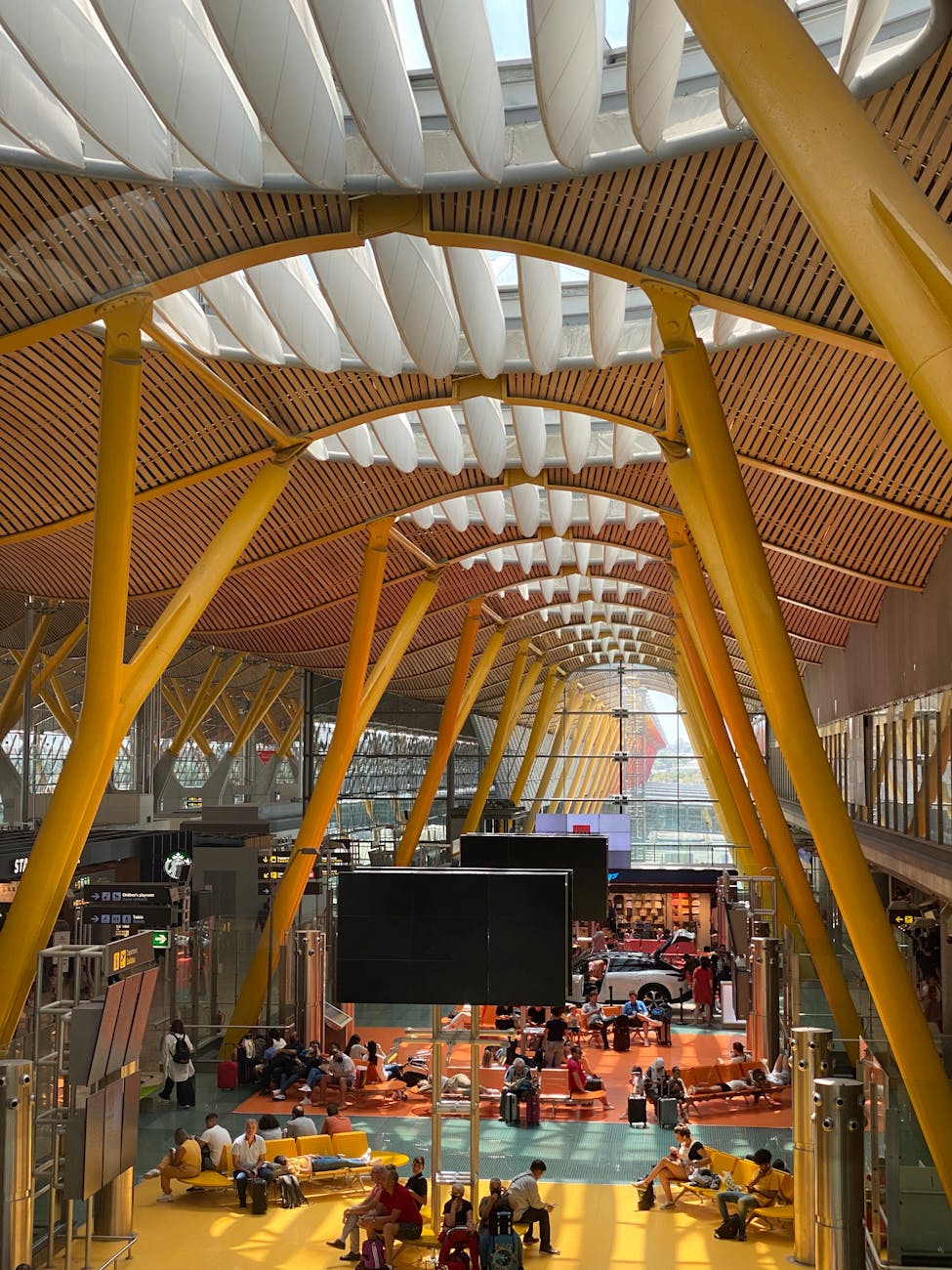 Photo by Radubradu on Pexels
What it means for EES and ETIAS
Western Balkan partners were also briefed on the EU's new border systems, the Entry/Exit System (EES) and the European Travel Information and Authorisation System (ETIAS), alongside progress towards a new Joint Action Plan on Counterterrorism for the Western Balkans in 2025. For visa-exempt travellers, ETIAS will add a quick pre-travel authorisation before arrival in the Schengen area, while EES modernises border checks themselves. You can learn how the travel authorisation will work in our overview of ETIAS.
Tags:
Source:
Image Sources:
- Header image: Photo by Aleksey Cherenkevich on Unsplash
- Teaser image: Photo by Radubradu on Pexels