
News
The EU's New Entry Rules Explained: How EES and ETIAS Will Change Travel to Europe
Air India Express plane on tarmac at airport, showcasing modern airplane design and branding.
Article content
The EU's New Entry Rules Explained: How EES and ETIAS Will Change Travel to Europe
The European Union is preparing two major changes to the way travellers enter its territory. Together, the Entry/Exit System (EES) and the European Travel Information and Authorisation System (ETIAS) will modernise border management across 30 European countries. The aviation industry, which has to adapt check-in and boarding procedures around the new rules, has been urging passengers to understand the difference between the two before they travel.
This guide summarises what each system does, who is affected and the timelines that have been confirmed so far. For official details, travellers should always rely on the EU's own ETIAS website rather than the growing number of unofficial look-alike sites.
 Photo by Ethan Sarkar on Pexels
What the Entry/Exit System (EES) changes
EES is an automated system that registers non-EU travellers each time they cross an external border of the Schengen area for a short stay. Instead of an officer manually stamping a passport, the crossing is recorded digitally and linked to the traveller's identity.
On a first crossing under the system, travellers will provide biometric data, including:
- a facial image
- fingerprints
- passport and travel-document details
- the date and place of entry and exit
The goal is to apply the 90-days-in-180 short-stay rule more consistently, to cut down on manual stamping, and to make it harder to use fraudulent documents. Airlines and airports have warned that the first registration takes longer than a passport stamp, so passengers should allow extra time at the border in the early phase.
What ETIAS adds before departure
ETIAS is a separate, pre-travel step. It is a travel authorisation that visa-exempt non-EU nationals will need to obtain online before they head to Europe for a short stay of up to 90 days in any 180-day period. It is comparable to the United States' ESTA or the UK's ETA.
According to the latest official information, ETIAS is expected to start operating in the last quarter of 2026, after EES is in place. The authorisation will cost €20 and, once granted, will be valid for multiple trips. Travellers should apply only through the official EU website; commercial intermediaries can apply on a client's behalf but must use the same official channel, and any extra charge goes to the intermediary, not the EU.
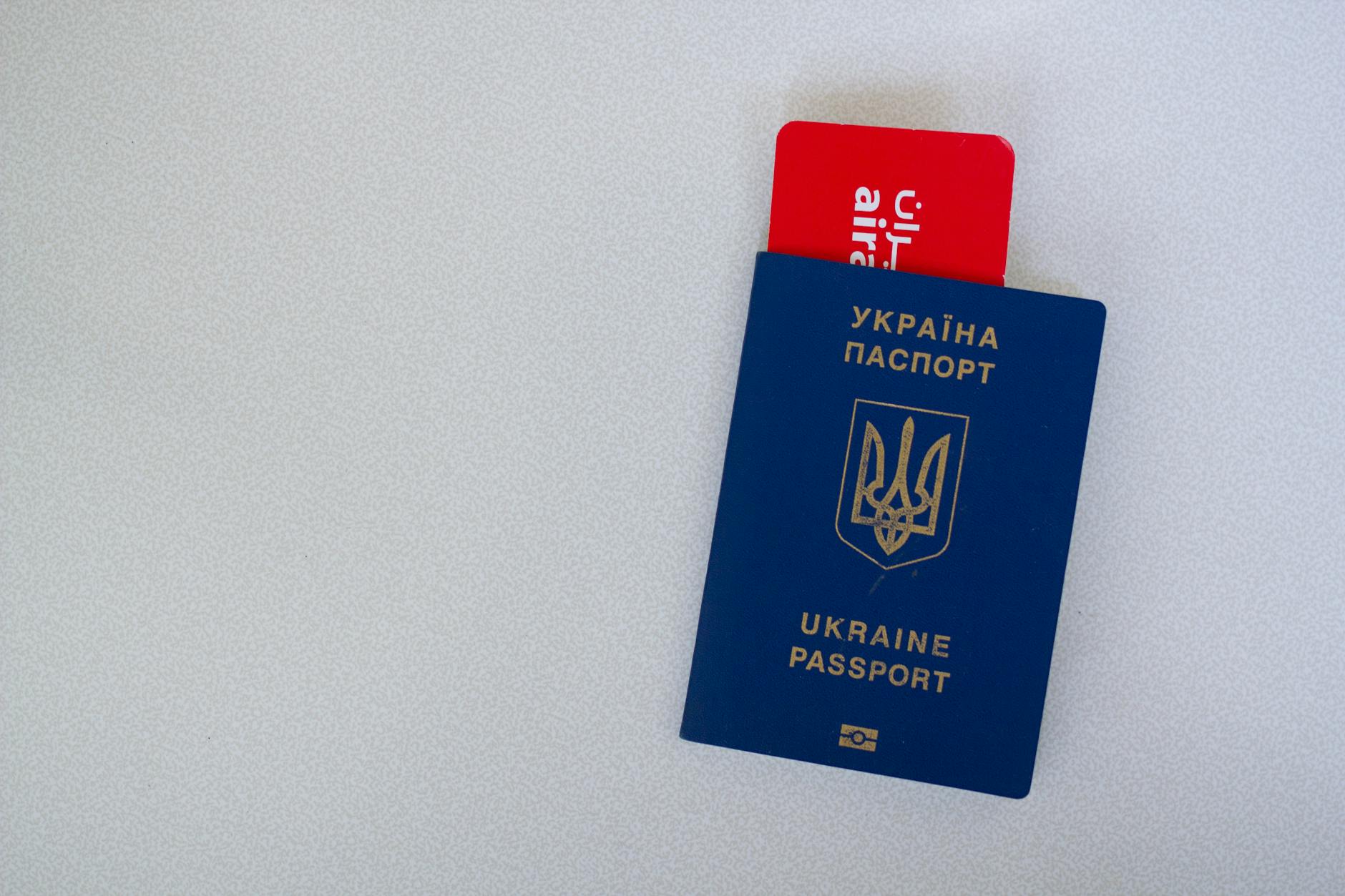 Photo by Borys Zaitsev on Pexels
What travellers should do now
The two systems work in sequence: ETIAS authorises you to travel, and EES records your crossing at the border. Neither replaces a passport, and neither turns a short stay into a long-stay permit. The practical advice from the industry is simple: check your passport validity, budget for slightly longer border processing while EES beds in, and apply for ETIAS through official channels once it launches.
If you want a fuller breakdown of how the authorisation will work and who needs it, our ETIAS overview walks through the requirements step by step.
Tags:
Source:
Image Sources:
- Header image: Photo by Ethan Sarkar on Pexels
- Teaser image: Photo by Borys Zaitsev on Pexels