
News
EES Start Date Confirmed for 12 October as the ETIAS Fee Climbs to €20
Woman wearing a face mask checks her phone at an airport during pandemic times.
Article content
EES Start Date Confirmed for 12 October as the ETIAS Fee Climbs to €20
The European Union has finally fixed a date for a project that has slipped repeatedly. The much-delayed Entry/Exit System (EES) will begin to apply to some UK travellers heading to the EU on 12 October 2025. The system connects every Schengen frontier to a central database in order to monitor the comings and goings of non-EU citizens and to police the rule that limits visitors to 90 days in any 180.
The Independent identified the plans by studying newly updated documents from eu-LISA, the EU agency responsible for the system, which is based in Tallinn, Estonia. The papers set out how a project originally conceived as a single "big bang" launch has been reshaped into something far more gradual.
 Photo by Anna Shvets on Pexels
A phased start after the missed deadline
EES was meant to switch on across the whole bloc at once. After the failure to meet the planned 10 November 2024 deadline, the EU rethought its approach. The first six months will instead resemble what amounts to border roulette: some crossing points will take biometric data while others remain entirely analogue.
Even where biometrics are collected, the change will not be clean. Passports will continue to be scrutinised and stamped by hand until the rollout completes 180 days later, with full operation expected on 10 April 2026. For travellers, that means the experience at the frontier could differ sharply from one airport, port or rail terminal to the next during the transition.
What the system records
Once a traveller is registered under EES, the system will store four fingerprints and a facial image, alongside the details of each entry and exit. Children under 12 are exempt from the fingerprint requirement. The aim is to replace the manual passport stamp with a digital record that tracks how long each visitor has spent inside the Schengen area.
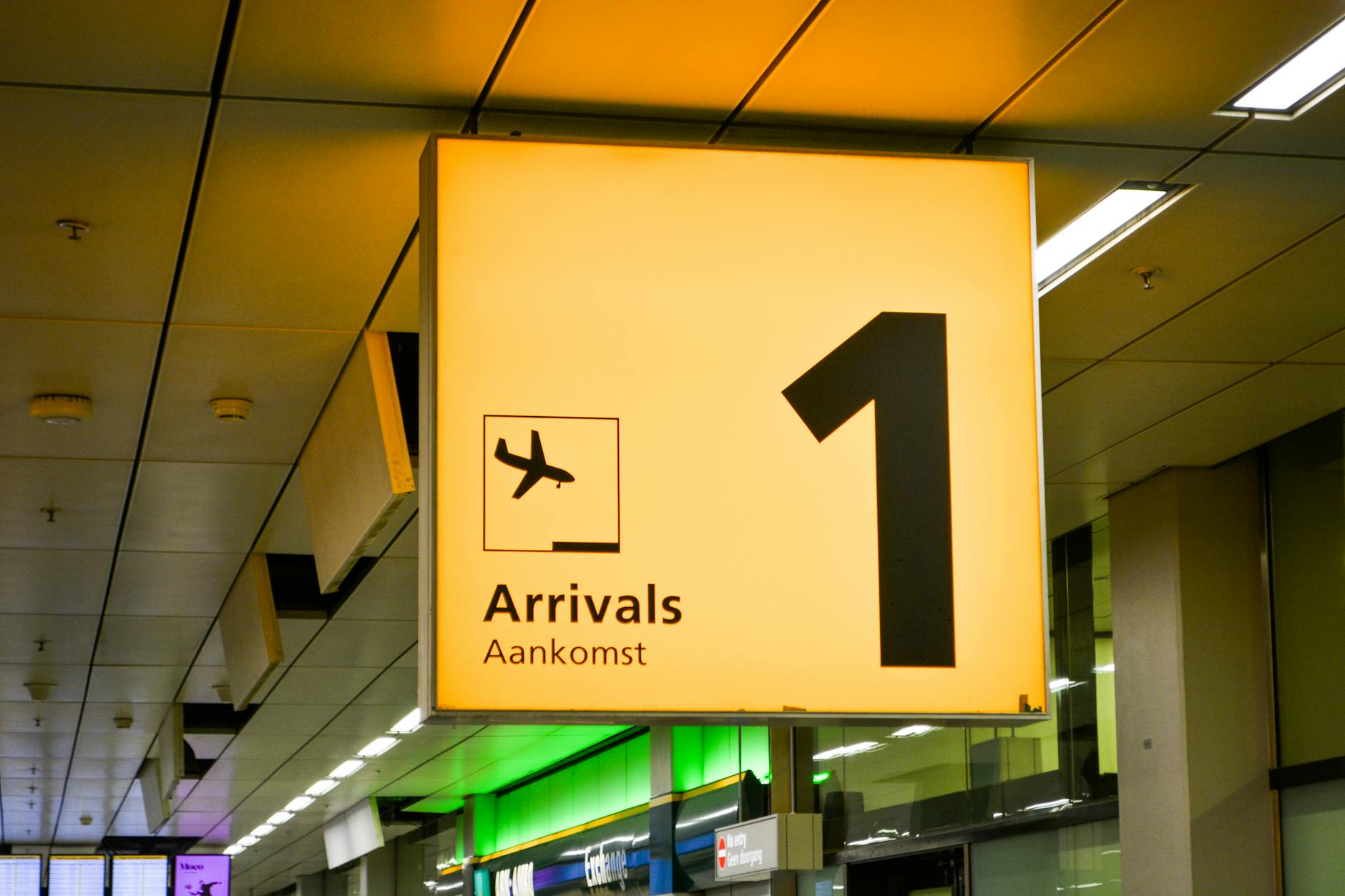 Photo by Harm Jakob Tolsma on Pexels
ETIAS next, and a higher fee
Once EES is running, final preparations will follow for the European Travel Information and Authorisation System (ETIAS), which the EU says will start operations in the last quarter of 2026, between October and December. ETIAS is a pre-travel authorisation that visa-exempt visitors will need to obtain before they set off.
The headline change is the price. The fee, originally set at €7, is now due to almost treble to €20 (about £17). Applicants under 18 or over 70 are exempt, as are family members of EU citizens and of non-EU nationals who hold free-movement rights. Once granted, the permit is valid for three years. If you are mapping out a trip to Europe for 2026, it is worth getting familiar with the ETIAS application process now so the new requirement does not catch you off guard.
Tags:
Source:
Image Sources:
- Header image: Photo by Anna Shvets on Pexels
- Teaser image: Photo by Harm Jakob Tolsma on Pexels