
News
How the EU Is Strengthening Its External Borders
Travelers board a Ryanair plane for their flight under a clear blue sky.
Article content
How the EU Is Strengthening Its External Borders
The EU and its member states are working on concrete measures to safeguard Europe's security and reinforce the Union's external borders. Because the Schengen area largely removes checks between member countries, consistent and modern controls at the external frontier are essential. Several tools work together to make that possible.
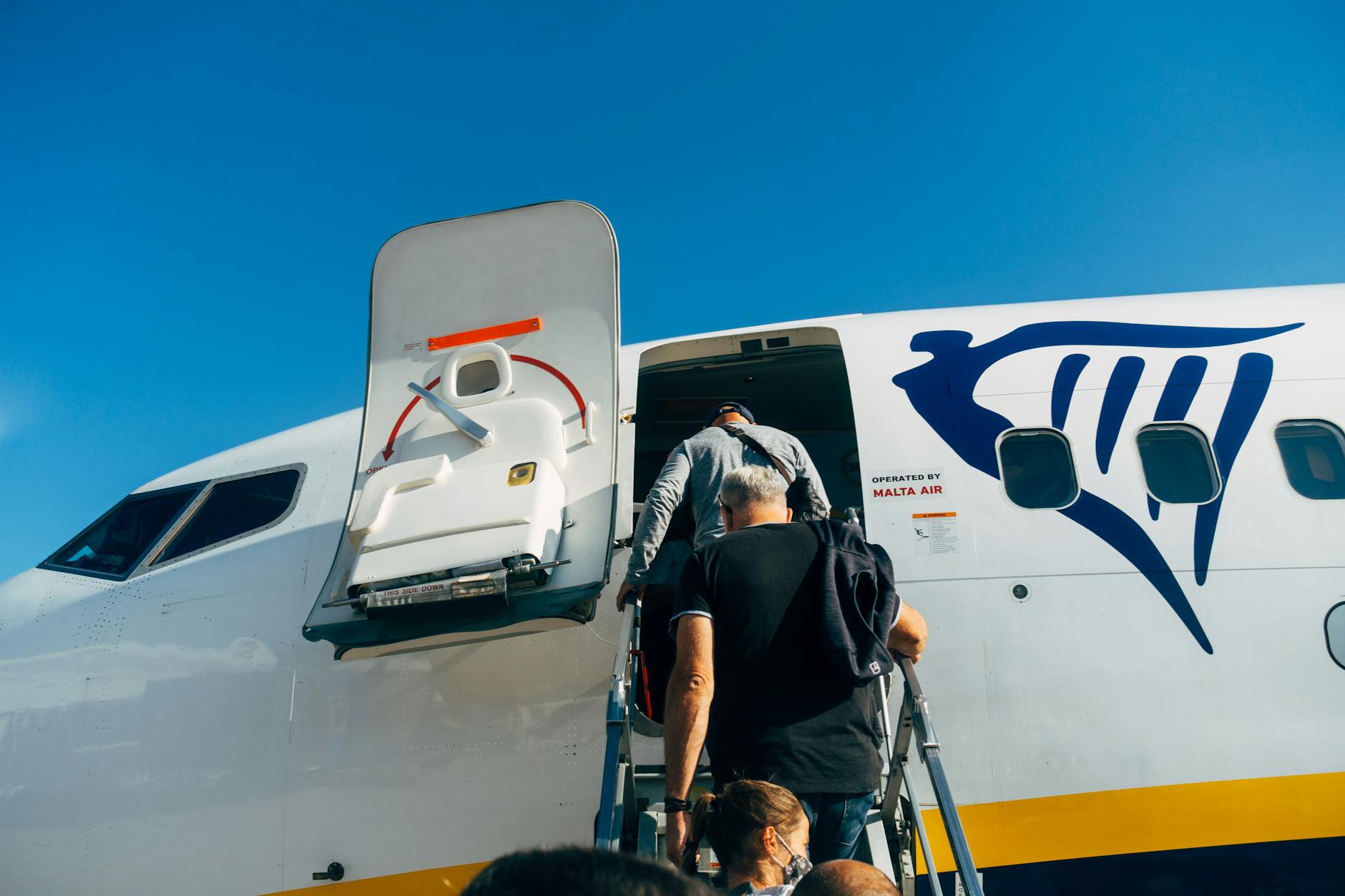 Photo by Markus Winkler on Pexels
The European Border and Coast Guard Agency (Frontex)
The European Border and Coast Guard Agency, usually called Frontex, was launched in October 2016 after EU leaders called for stronger controls at the external borders. It supports member states with border management, returns and the fight against cross-border crime, and it can deploy staff and equipment where they are most needed. The agency works alongside national authorities rather than replacing them.
The information systems behind the border
Much of the EU's border security relies on shared, large-scale IT systems that let authorities exchange information quickly and reliably:
- the Schengen Information System (SIS), the most widely used database for security and border management, carrying alerts on people and objects;
- the Visa Information System (VIS), which connects border guards and consulates around short-stay visa data;
- the Entry/Exit System (EES), which digitally registers the entry and exit of non-EU travellers and replaces manual passport stamping;
- the European Travel Information and Authorisation System (ETIAS), a pre-travel authorisation for visa-exempt visitors.
 Photo by Angel Bena on Pexels
Why it matters for travellers
For most visitors these systems stay in the background, but two of them change the journey directly. EES affects what happens at the border itself, while ETIAS adds a step before departure for visa-free travellers. Together they aim to make checks faster and more consistent while strengthening security across the whole area. If you want to understand the traveller-facing side, our overview of how ETIAS works explains the practical details.
Tags:
Source:
Image Sources:
- Header image: Photo by Markus Winkler on Pexels
- Teaser image: Photo by Angel Bena on Pexels