
News
ETIAS Approval Alone Does Not Guarantee Entry to Europe
A Volotea commercial airplane flying through a cloudy sky, captured from below.
Article content
ETIAS Approval Alone Does Not Guarantee Entry to Europe
After ETIAS is launched, travellers from visa-exempt countries will have to apply for an electronic travel authorisation before they set off. It is an essential document, but it comes with an important caveat: holding an approved ETIAS does not, by itself, guarantee that you will be allowed to enter the European countries that require it. There is a second layer of checks at the border.
Understanding that distinction now can save you a stressful surprise later. Below is what still has to fall into place when you actually arrive.
 Photo by Miguel Cuenca on Pexels
What border guards still check
To cross the EU's external borders, you must meet the entry conditions that apply to visa-free travellers. Alongside verifying that you hold a valid identity document and a valid ETIAS, border guards may ask you to provide information about:
- the duration of your stay in Europe
- the reason for your visit
- the means you have to support your trip
Border authorities may also assess whether a traveller could be a threat to public security. Travellers who do not meet the entry conditions can be refused entry, unless a specific exception provided for by law applies.
Your travel document must meet these rules
Your passport or travel document will be checked against two firm requirements. It must be valid for at least three months after the date you intend to leave the territory of the 30 European countries requiring ETIAS, and it must not have been issued more than 10 years ago. Border officers can also examine the document closely for any signs of falsification or counterfeiting.
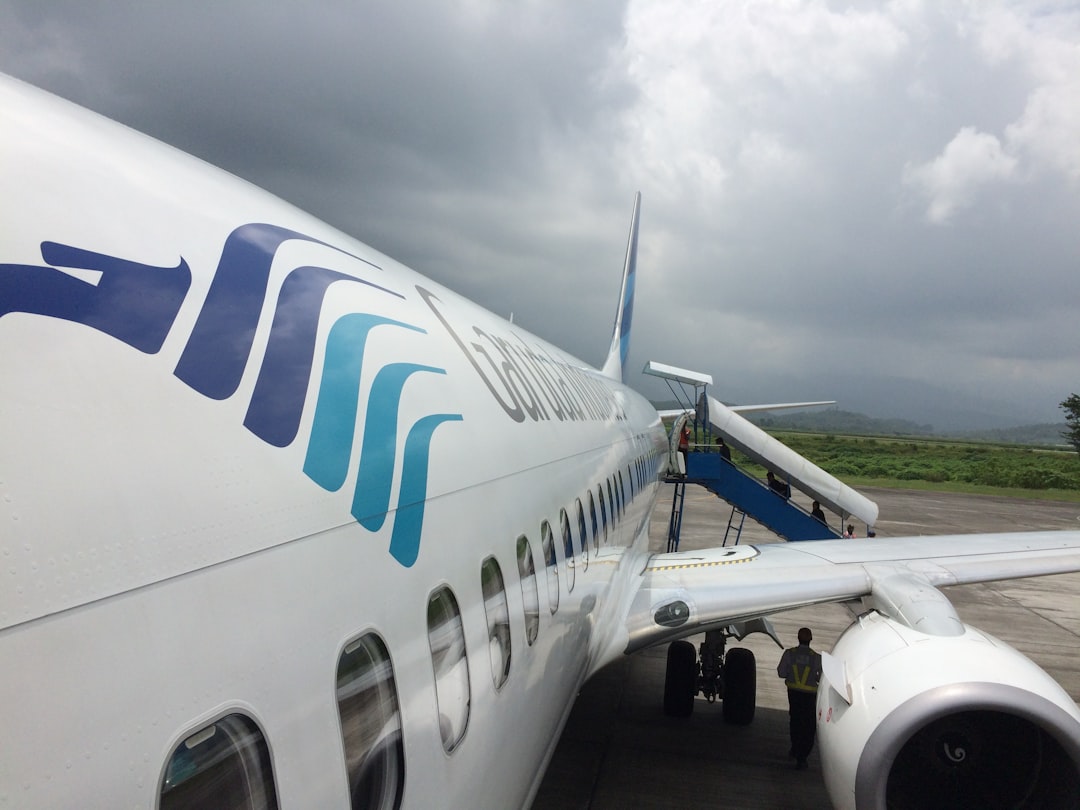 Photo by Pupu Nugroho on Unsplash
Registration in the EES and your 90-day limit
When you cross the border, your details will be registered in the Entry/Exit System (EES), which replaces the manual stamping of passports at the EU's external borders. The system records the time and place of your entry and stores your facial image and fingerprints.
Once you are admitted to one of the 30 countries requiring ETIAS, you can move freely between them, as there are no border checks within the area. You will, however, need to keep within your authorised stay of up to 90 days in any 180-day period. To check whether you are affected and what the rules expect of you, see our guide to ETIAS eligibility.
Tags:
Source:
Image Sources:
- Header image: Photo by Miguel Cuenca on Pexels
- Teaser image: Photo by Alex Kalinin on Pexels