
News
EU and UK Tighten Border Rules: What New Zealand Travellers Must Know
Breathtaking view of Giau Pass, Dolomites in Veneto, Italy with clear blue sky.
Article content
EU and UK Tighten Border Rules: What New Zealand Travellers Must Know
Travellers planning a trip to the United Kingdom or the Schengen Area should prepare for a wave of new border controls. According to New Zealand's Ministry of Foreign Affairs and Trade, through its SafeTravel service, both London and Brussels are moving from paper-based checks to digital registration systems that will affect most visa-free visitors.
 Photo by Lara Jameson on Pexels
The UK Electronic Travel Authorisation
The UK government has introduced an Electronic Travel Authorisation (ETA). Passport holders who travel to Britain visa-free now need to apply for an ETA before departure. The authorisation is linked to a traveller's passport and is obtained online ahead of the journey.
There is an important exception for dual nationals. If you hold British or Irish citizenship alongside another nationality, UK authorities advise that you must enter using a valid UK passport, an Irish passport, or another passport carrying a certificate of entitlement. Dual nationals in this position cannot use an ETA and will not be able to travel without one of those documents.
The Schengen Entry/Exit System
The European Union has launched the Entry/Exit System (EES), a digital border platform designed to strengthen the security of the Schengen Area's external frontier. The EES records when non-EU nationals cross external borders and is built to identify overstayers more accurately.
Most travellers from outside the EU will need to create a digital record and register biometric details, including fingerprints and a facial photo, when they enter the Schengen Area. There is nothing extra to carry: the data is captured by a self-service kiosk or by a border officer. Crucially, the EES replaces the familiar passport stamp.
ETIAS is still to come
Visa-free visitors can still enter Europe without a visa, but how long you may stay can vary depending on your destination, so travellers should confirm the rules for each country they plan to visit or transit.
From the final quarter of 2026, an additional step arrives: travellers will need to complete a European Travel Information and Authorisation System (ETIAS) authorisation before setting off. Officials stress that ETIAS is a travel authorisation, not a visa, and is tied to security pre-screening rather than border queues.
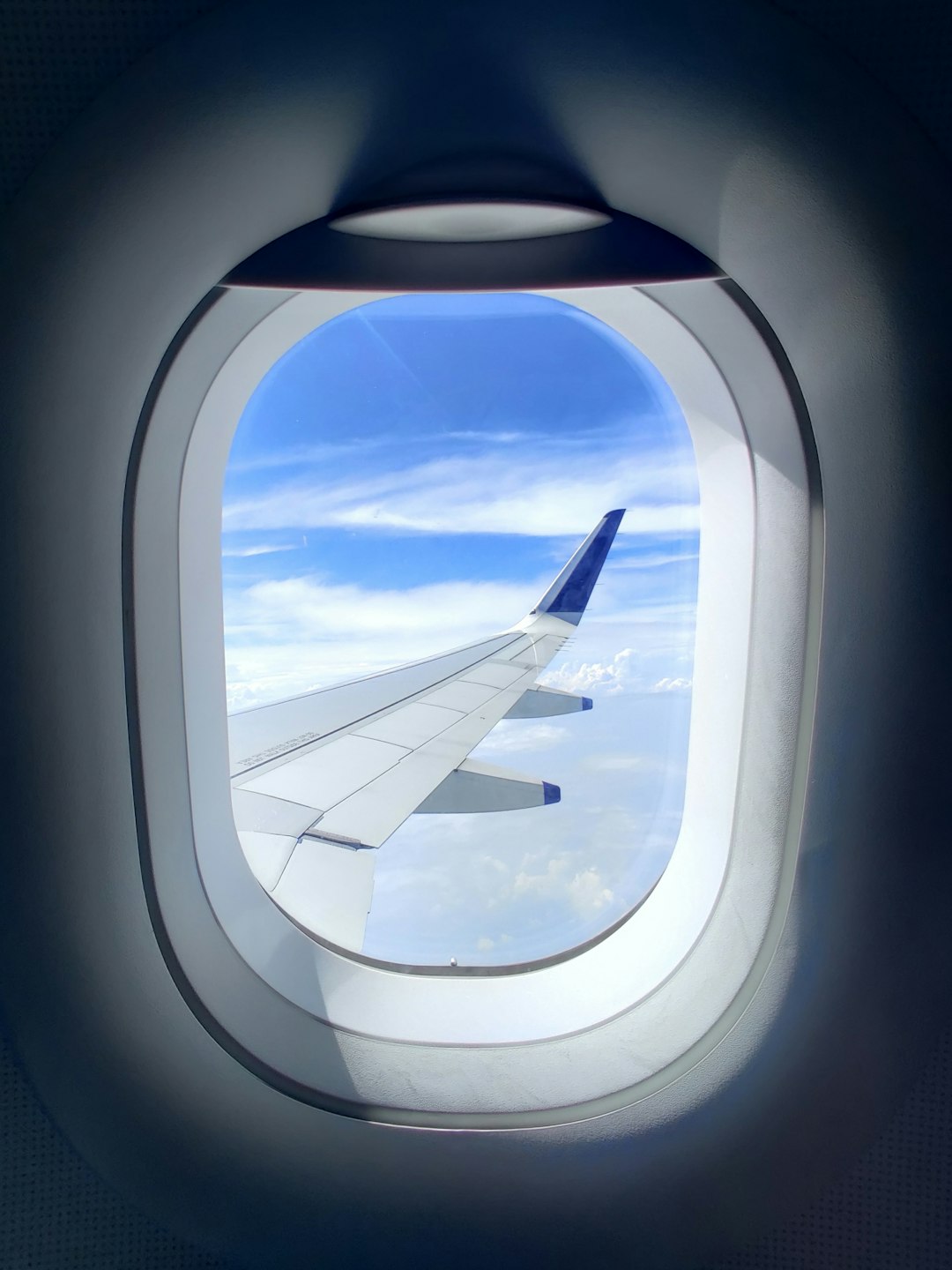 Photo by Shaun Alam on Unsplash
Plan ahead
Because foreign governments, not New Zealand, decide who may enter their territory, the safest approach is to check official sources well before departure. Confirming your ETA for the UK and tracking the EES and ETIAS timelines for Europe will help ensure these new systems do not disrupt your trip.
Tags:
Source:
Image Sources:
- Header image: Photo by Gildo Cancelli on Pexels
- Teaser image: Photo by Christian Lue on Unsplash