
News
Europe Travel Rules 2025: Tourist Taxes, Visitor Caps and Entry Changes Explained
blue and yellow stars flag on pole
Article content
Europe Travel Rules 2025: Tourist Taxes, Visitor Caps and Entry Changes Explained
Travelling around Europe is becoming more complicated to plan. Several popular destinations now charge a tourist tax that you pay on arrival, others have introduced caps on visitor numbers at their most famous sites, and a handful of new digital entry requirements are arriving for non-EU travellers. None of these measures amount to a ban on tourism, but together they change how you budget and prepare for a trip.
The common thread is overtourism. After several record-breaking seasons, cities and regions are trying to manage the strain on housing, infrastructure and local life without turning visitors away. Knowing the rules in advance is the simplest way to avoid surprise charges or fines.
 Photo by Christian Wiediger on Unsplash
Where you will pay a tourist tax
Tourist taxes are usually charged per person, per night, and collected by your accommodation. The amount depends heavily on the destination and the standard of the property.
- Greece applies a tax of up to €8 per day in high season, alongside a separate climate resilience levy collected at check-in. Cruise passengers heading to Mykonos or Santorini face an additional €20 charge.
- Spain sets rates regionally. Barcelona combines a city surcharge with a regional tax, while the Balearic Islands and several other regions levy their own nightly fees.
- Italy lets municipalities set their own rates, so Rome, Milan, Florence and Venice all differ. Venice has also expanded its day-tripper fee of €5 to €10 across more dates.
- Portugal leaves the decision to its municipalities, with Lisbon, the Algarve and, newly, the Azores charging around €2 per night.
- Paris, Amsterdam and several UK cities are raising or considering levies, with Edinburgh poised to become one of the first UK cities to introduce a mandatory charge.
Visitor caps and behaviour rules
Beyond taxes, many destinations are limiting how many people can visit their busiest attractions. Athens caps the Acropolis at 20,000 visitors a day with timed entry slots, Pompeii is introducing a similar 20,000 ceiling, and Rome's Colosseum admits 3,000 people at a time.
Cruise traffic is being curbed in cities from Barcelona to Venice, and some destinations enforce strict conduct rules. Costumed stag and hen parties are unwelcome in Prague, while Rome fines shirtless visitors and the practice of attaching 'love padlocks' to bridges. Checking the local rules for your destination is the easiest way to avoid an unexpected penalty.
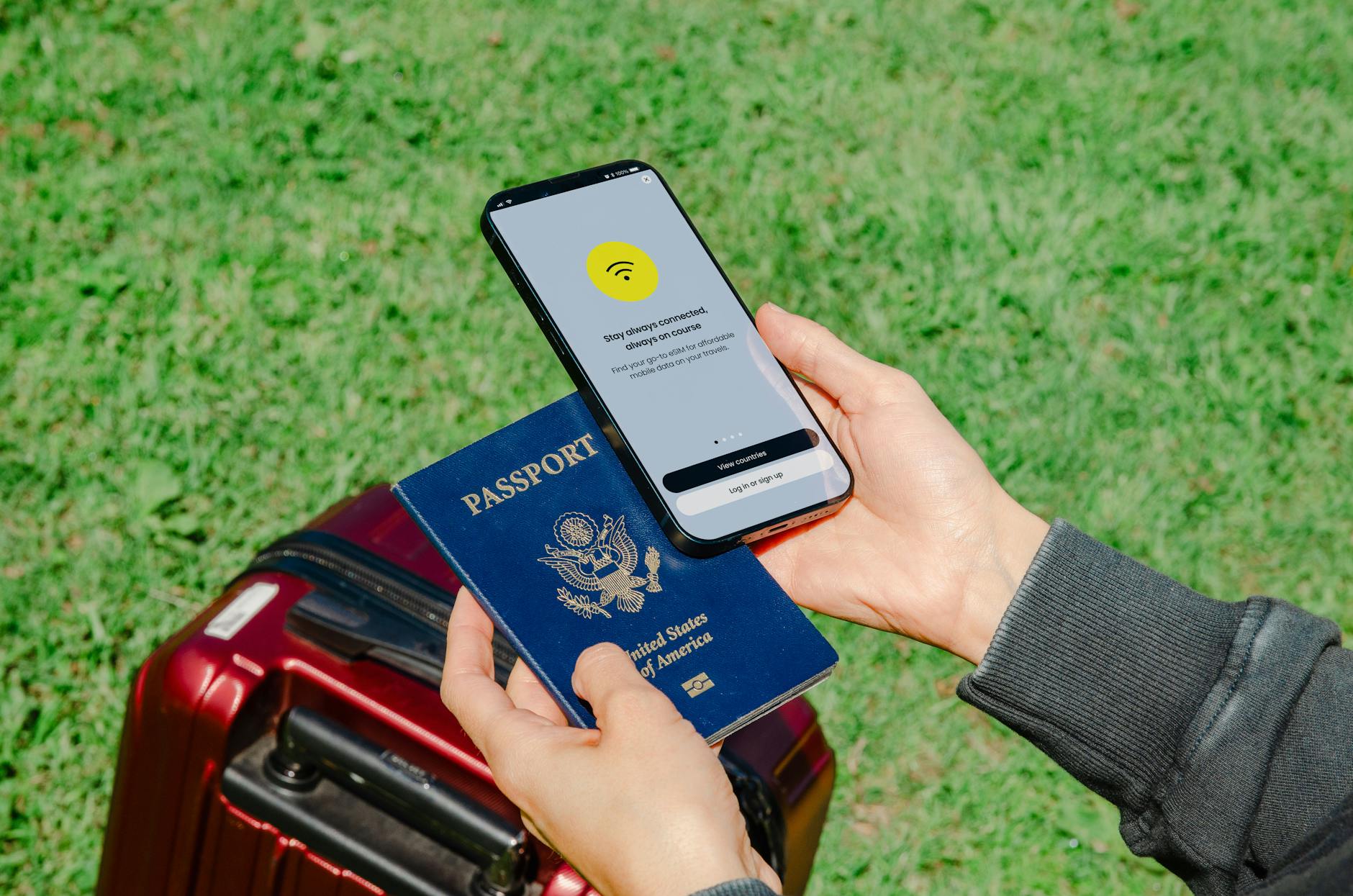 Photo by Jacob on Pexels
New entry requirements to watch
Paperwork is changing in both directions across the Channel. Visitors to the United Kingdom increasingly need an Electronic Travel Authorisation (ETA), and the requirement is being extended to EU citizens during 2025, with applications opening ahead of the start date. The UK government has also floated raising the ETA fee not long after launch.
For travel into the EU, the long-delayed European Travel Information and Authorisation System (ETIAS) is expected to follow roughly six months after the new Entry/Exit System becomes operational. ETIAS will require visa-exempt non-EU travellers to obtain an electronic authorisation before departure, at a fee of around €7, valid for three years. If you want to understand who needs one and how requirements differ by nationality, our country requirements guide breaks it down.
Tags:
Source:
Image Sources:
- Header image: Photo by Christian Wiediger on Unsplash
- Teaser image: Photo by Jacob on Pexels