
News
Going Cashless in Scandinavia: A Practical Guide for Train Travellers
Travelers passing through airport security with staff and metal railings visible.
Article content
Going Cashless in Scandinavia: A Practical Guide for Train Travellers
The Nordic countries were among the first places where it became genuinely feasible to travel without carrying any cash, and the trend has only accelerated since. For a train trip taking in Sweden, Norway and Denmark, cards and smartphones will get you through almost everywhere, so there is no need to arrive with a thick wad of notes.
There is one common misconception worth clearing up first: although all three countries are in Europe, none of them uses the euro. Each has its own krona, and at quite different values, so a pocketful of euros is not the universal solution some travellers imagine.
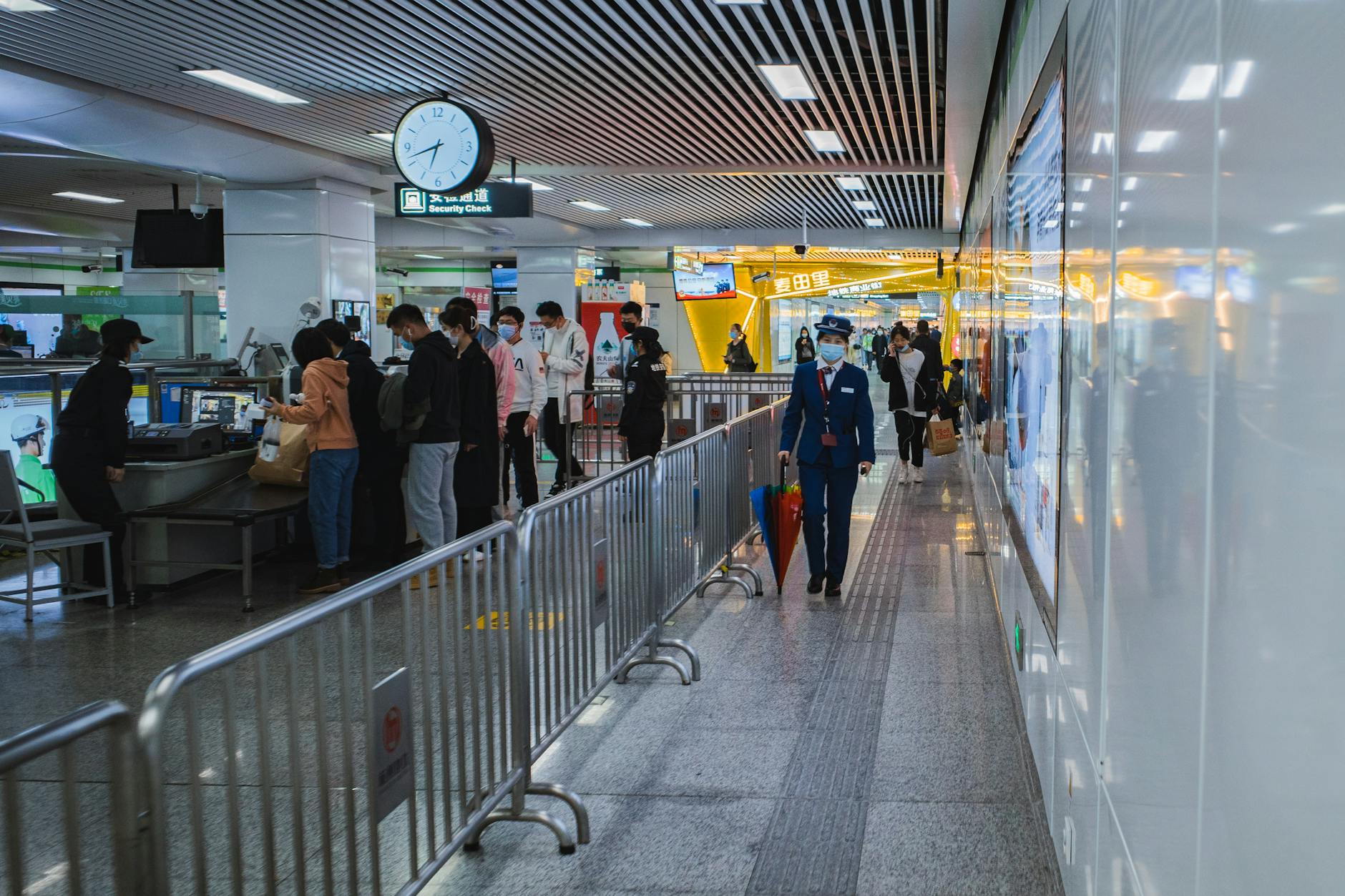 Photo by Zheng Xia on Pexels
Cards, phones and three currencies
The wide acceptance of card and smartphone payment across Scandinavia is just as well, given the complexity of the currencies. Denmark, Sweden and Norway each have their own krona, and the exchange rates differ noticeably between them, so trying to juggle physical cash from all three adds needless hassle.
The main risk of relying on a single card is that the technology occasionally fails and rejects it. Carrying at least two cards, ideally one Mastercard and one Visa, plus a debit card as backup, is sensible. Genuine cash-only moments are rare, and in a pinch euros can sometimes be used, but there is little reason to bring dollars at all.
Dual nationality: which passport to use
Travellers lucky enough to hold both an EU passport and a UK travel document can sidestep much of the post-Brexit red tape. Using the EU passport on arrival in the Schengen area means faster queues, no passport stamping, and no need for biometric checks or the future ETIAS permit.
Going through UK Border Control on the British passport, meanwhile, avoids any questions about length of stay. The practical advice is to travel with both, using the EU document to enter the Schengen area and the British one for the UK border. For flight bookings, simply choose one passport and stick with it; producing it at boarding is an identity check, not an immigration decision.
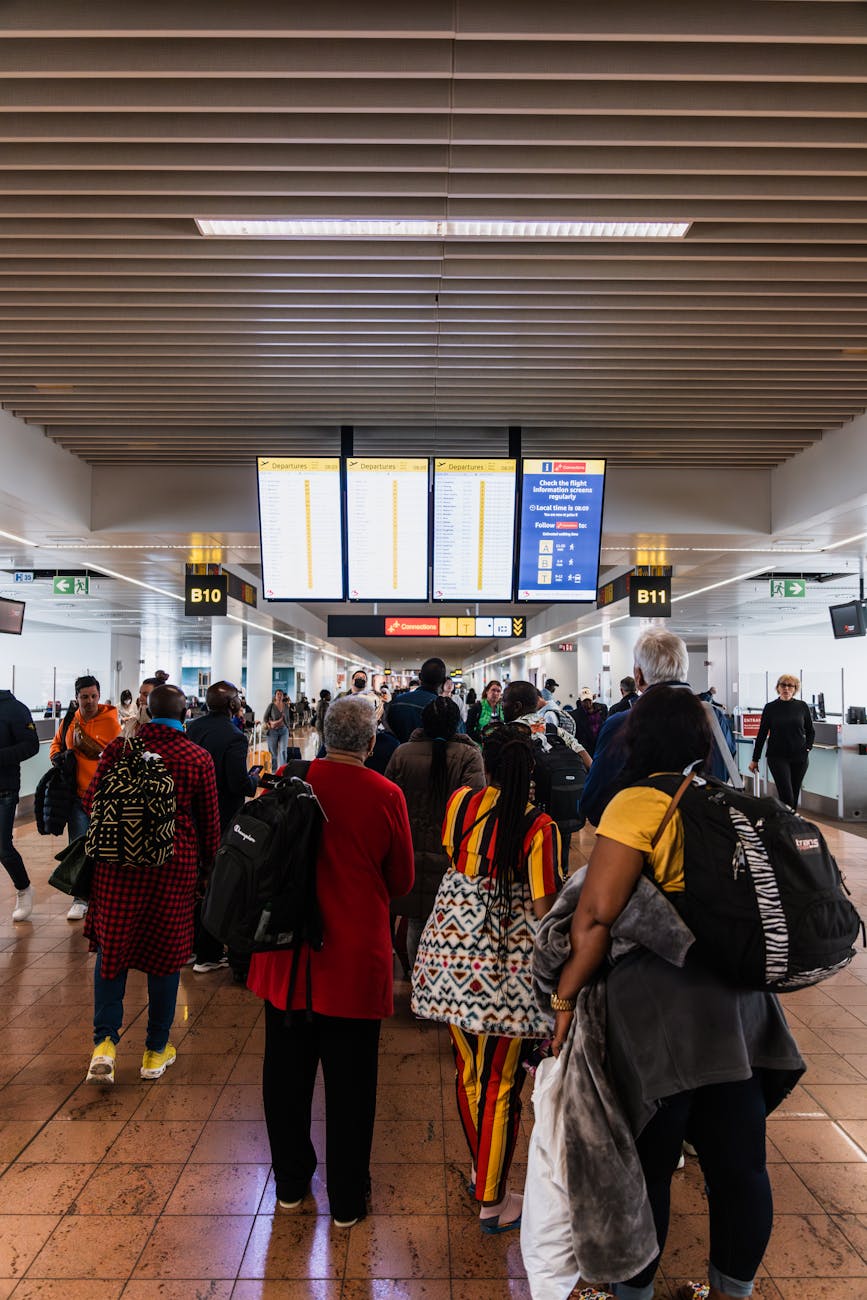 Photo by Kelly on Pexels
ETA, ETIAS and who is exempt
New authorisations are appearing on both sides of the Channel. From 2 April, the UK's Electronic Travel Authorisation (ETA) became mandatory for most EU visitors, with the Irish a notable exception under the Common Travel Area. In the other direction, EU citizens can still glide through Schengen formalities, and will not need the forthcoming ETIAS.
If you are unsure which rules apply to you, particularly as a dual national or frequent visitor, it is worth checking the latest ETIAS eligibility rules before you set off, so you carry the right document and avoid surprises at the border.
Tags:
Source:
Image Sources:
- Header image: Photo by Zheng Xia on Pexels
- Teaser image: Photo by Kelly on Pexels