
News
How EU-Wide IT Systems Connect Border Checks, Migration Management and Crime Prevention
Still life of a digital COVID certificate, passports, and a leather wallet for travel documentation.
Article content
How EU-Wide IT Systems Connect Border Checks, Migration Management and Crime Prevention
Behind every border crossing in the Schengen area sits a network of large-scale IT systems. Authorities across the EU use them to share information so they can secure the external borders, fight serious crime, protect citizens and manage migration in a coordinated way. Some of these systems have been running for years, while two important ones are still being rolled out.
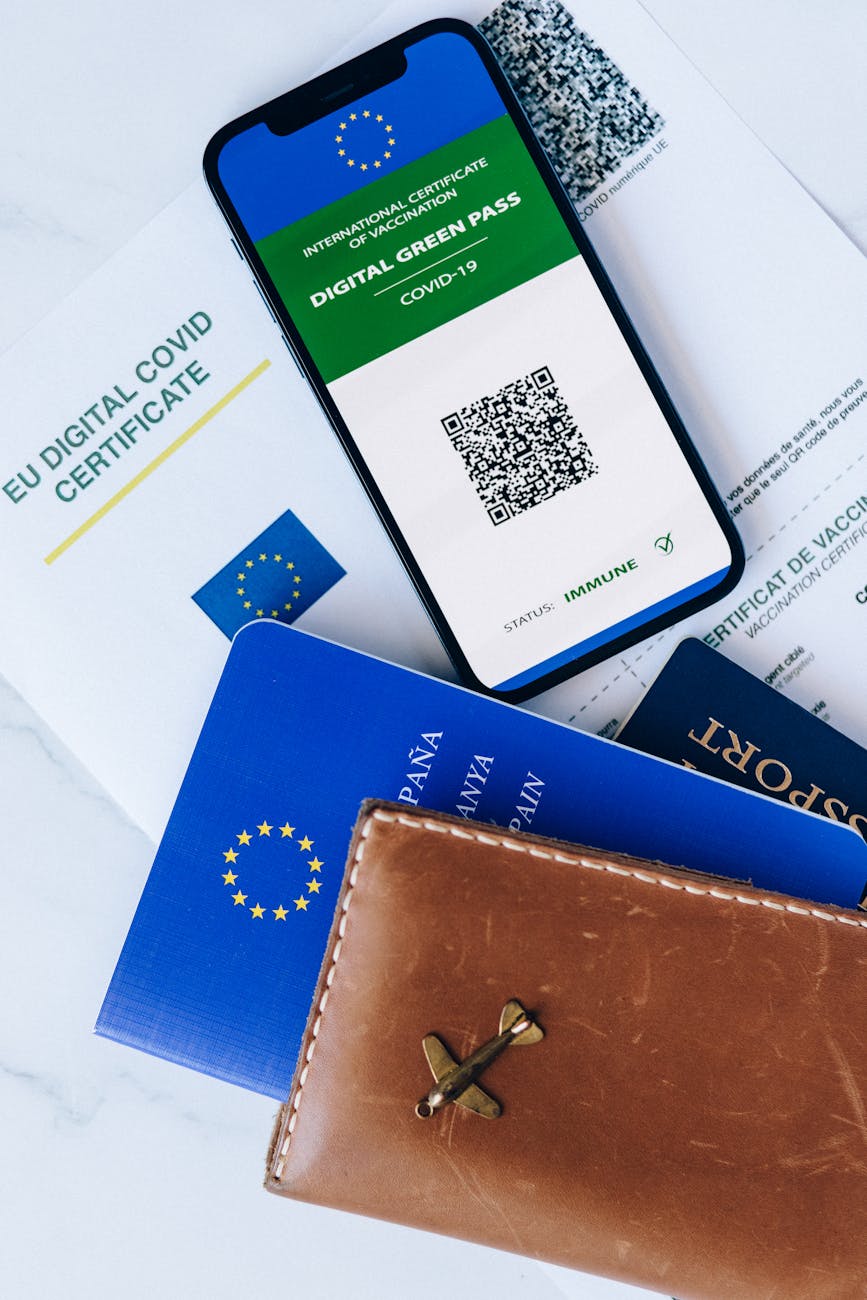 Photo by Nataliya Vaitkevich on Pexels
New systems coming to the EU border
Two new systems are designed to modernise how non-EU travellers are checked. The Entry/Exit System (EES) will record the border crossings of non-EU citizens travelling to the EU for short stays, replacing manual passport stamping with a digital record of entries and exits. The European Travel Information and Authorisation System (ETIAS) will carry out advance checks on visa-exempt travellers before they arrive in the Schengen area, screening for security, migration and health risks. Together they aim to make checks faster while strengthening security.
The databases already in use
Several other systems already underpin EU security and migration work:
- the Schengen Information System (SIS), used to consult or create alerts on wanted or missing people and objects, upgraded in March 2023;
- Eurodac, the database of fingerprints of asylum applicants registered in the EU;
- the Visa Information System (VIS), used to exchange information on short-stay visas between Schengen countries;
- the European Criminal Records Information System (ECRIS), used to exchange information on criminal convictions.
 Photo by Aleksandar Pasaric on Pexels
Why it matters for travellers
Most of these systems work quietly in the background, but two of them touch the journey directly: EES changes what happens at the border itself, while ETIAS adds a quick step before departure for visa-free visitors. As the EU moves towards making these databases interoperable, the goal is smoother checks and better security across the whole area. If you want to understand the traveller-facing side, our overview of how ETIAS works explains the practical details.
Tags:
Source:
Image Sources:
- Header image: Photo by Nataliya Vaitkevich on Pexels
- Teaser image: Photo by Aleksandar Pasaric on Pexels