
News
The Big Travel Changes Coming to the UK and Europe in 2025
Close-up of Polish passports and travel tickets symbolizing travel and adventure.
Article content
The Big Travel Changes Coming to the UK and Europe in 2025
International travel is becoming more digital, and 2025 brings a cluster of new requirements on both sides of the English Channel. Many travellers who have long crossed borders with nothing more than a passport will soon need to register online before they set off. The changes are not designed to stop visa-free travel, but they do add a step that is easy to overlook until you reach the airport.
Three measures stand out: the expansion of the United Kingdom's Electronic Travel Authorisation (ETA), the launch of the European Union's European Travel Information and Authorisation System (ETIAS), and the rollout of the EU's Entry/Exit System (EES). Each works differently, and understanding the distinctions now will save confusion later.
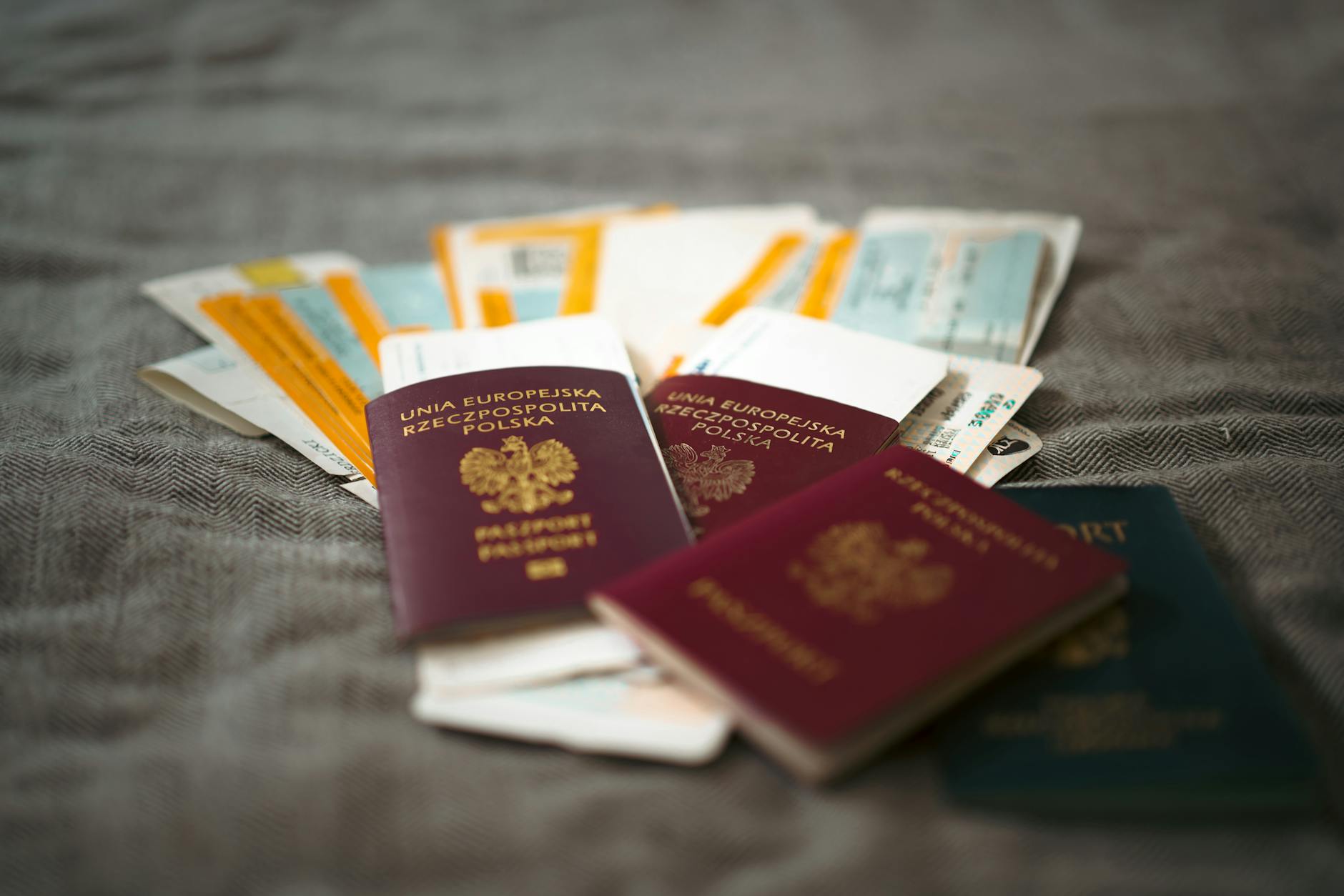 Photo by Jakub Zerdzicki on Pexels
The UK widens its ETA scheme
From 8 January 2025, visitors from the United States, Canada, Australia and other non-European countries who do not currently need a visa for short stays will have to obtain an ETA before travelling to the UK – even if they are only transiting on the way to another destination.
Applicants complete an online form and pay a £10 fee. A decision usually arrives within hours, though the Home Office advises allowing up to three working days. Once granted, the authorisation permits multiple entries for stays of up to six months and remains valid for two years or until the passport expires, whichever comes first.
The scheme then widens again: from 2 April 2025, EU nationals will also need an ETA to enter the UK. Citizens of the UK and Ireland, and those holding a valid UK visa, are exempt. The government says checking eligibility before departure will make the border more efficient, with airline staff confirming a traveller's ETA status digitally at the gate.
Europe's ETIAS and EES
The EU is moving in a similar direction. ETIAS, expected to begin in 2025, will require visa-exempt travellers from around 60 countries – including the UK, US, Canada and Australia – to apply online before visiting 30 European countries. The fee at the time was set at €7 (roughly £5.80), and most applications are approved quickly, although travellers are advised to apply well ahead because a decision can take up to 96 hours.
 Photo by Joerg Mangelsen on Pexels
Running alongside ETIAS is the EES, a separate system that uses facial images and fingerprints rather than passport stamps to record non-EU nationals as they enter and leave. Unlike ETIAS, it requires no advance application: travellers are registered on arrival. Originally scheduled for November 2024, the EES was postponed into 2025 as member states finished preparing their borders.
What it means for travellers
The common thread is a shift towards pre-screening and biometrics, aimed at smoothing congested arrival halls, applying entry rules consistently and tightening security. Critics worry about the added cost and the loss of the traditional passport stamp, and about how systems will cope if technology fails. For most people, though, the practical advice is simple: check the rules for your destination before you book, and complete any required authorisation early. A short overview of how these European systems fit together is a useful place to start.
Tags:
Source:
Image Sources:
- Header image: Photo by Jakub Zerdzicki on Pexels
- Teaser image: Photo by Joerg Mangelsen on Pexels