
News
The New $250 US Visa Integrity Fee: What Travellers Need to Know Under Trump's Law
A commercial airplane approaches landing with barbed wire visible, symbolizing travel and security.
Article content
The New $250 US Visa Integrity Fee: What Travellers Need to Know Under Trump's Law
Travellers heading to the United States on a non-immigrant visa face a new charge known as the "visa integrity fee." Set at $250 (about £186) for the 2025 fiscal year, it was created by President Donald Trump's "One Big Beautiful Bill Act," which was signed into law on 4 July 2025. The fee is expected to affect millions of tourists, international students and workers in the years ahead.
Crucially, it does not apply to everyone. Those who travel under the Visa Waiver Programme, including most British visitors, will not pay it, though they face a separate increase elsewhere.
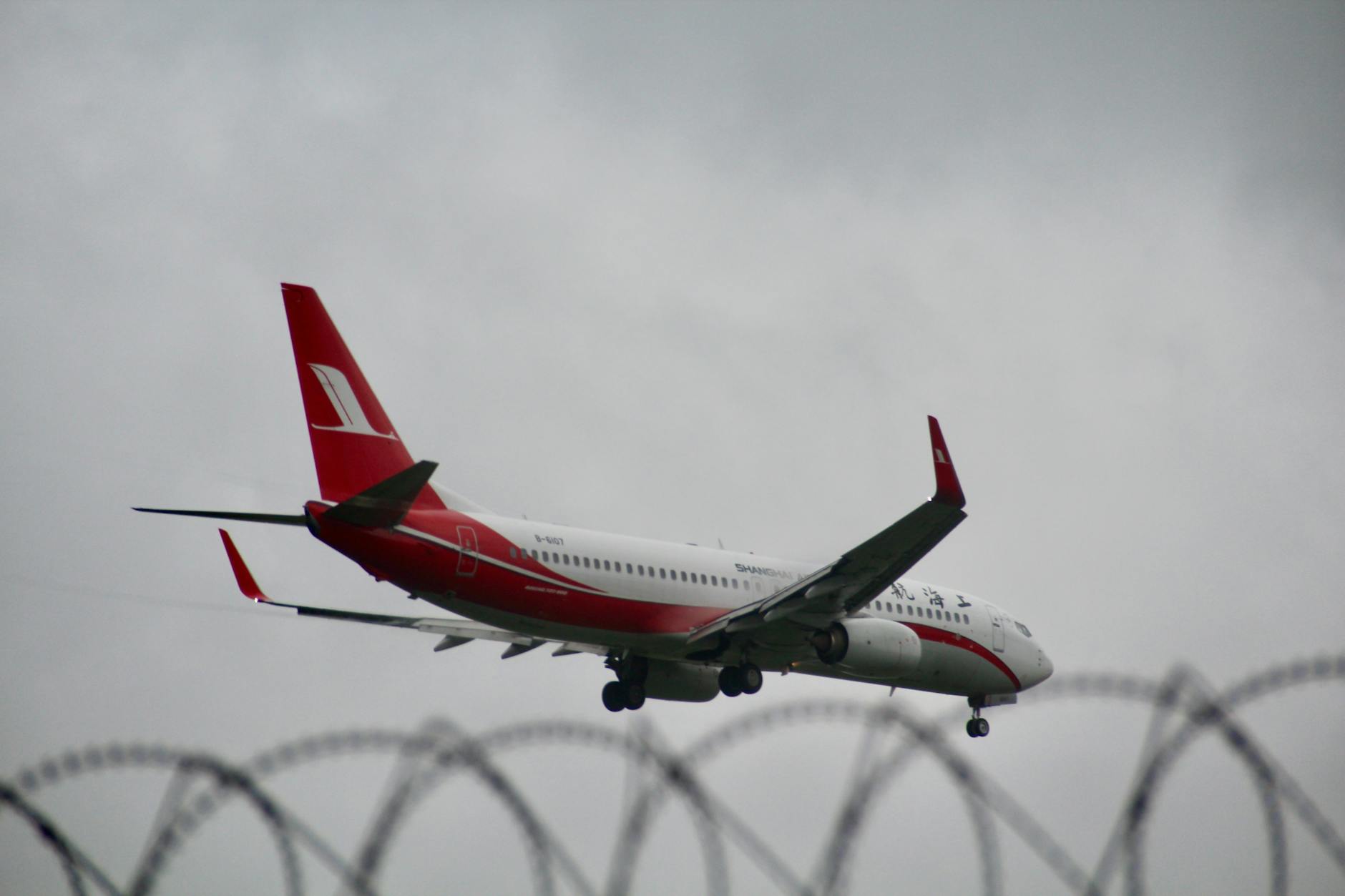 Photo by Anderson Wei on Pexels
Who pays the new fee
The charge applies to anyone issued a non-immigrant visa, and it is added on top of existing visa application costs, including a newly increased Form I-94 fee of $24 (about £18). According to the text of the Act, the fee is required "at the time of" visa issuance and, as written, cannot be waived or reduced.
At the time of publication the mechanism to collect the fee had not yet been set up, and the law did not specify exactly when or how it would be paid. A Department of Homeland Security spokesperson said the measure "requires cross-agency coordination before implementation." The charge can be adjusted annually in line with inflation.
Refunds, exemptions and the visa waiver
There is a route to getting the money back. Travellers on a non-immigrant visa may be eligible for reimbursement if they comply fully with their visa conditions, including not taking unauthorised work, and if they leave the United States no later than five days after their visa expires, or obtain lawful permanent resident status.
Many travellers will sidestep the fee entirely. Citizens of more than 40 countries, including the United Kingdom, Australia, Japan and Singapore, can enter the US for stays of under 90 days without a visa under the Visa Waiver Programme. Most do so using an Electronic System for Travel Authorisation (ESTA). For context, almost 11 million non-immigrant visas were issued in 2024 alone, giving a sense of how many people the new fee could touch.
 Photo by Paulo Marcelo Martins on Pexels
The wider picture for travellers
The visa integrity fee is not the only cost on the rise. The ESTA used by visa-waiver travellers is set to almost double, from $21 to $40. Europe is moving in a similar direction: the forthcoming European Travel Information and Authorisation System (ETIAS) will require visa-exempt visitors to obtain an authorisation before travelling, for a fee of €20.
If your plans include Europe as well as the US, it is worth understanding how these pre-travel permits compare. Our overview of how ETIAS works explains what visa-free travellers to the Schengen area will need and when.
Tags:
Source:
Image Sources:
- Header image: Photo by Anderson Wei on Pexels
- Teaser image: Photo by Paulo Marcelo Martins on Pexels