
News
Passport Alone Won't Cut It: US Sounds Alarm as Europe Locks In ETIAS
Artistic black and white photo of an airplane on the airport tarmac with mountains in the background.
Article content
Passport Alone Won't Cut It: US Sounds Alarm as Europe Locks In ETIAS
For decades, a valid passport was the only document most American holidaymakers needed to board a flight to Europe. That era is ending. As the European Union confirms a late-2026 launch for its long-delayed travel authorisation scheme, the U.S. Department of Transportation is urging travellers to stop treating their passport as a universal key and to prepare for a new layer of digital paperwork before they leave home.
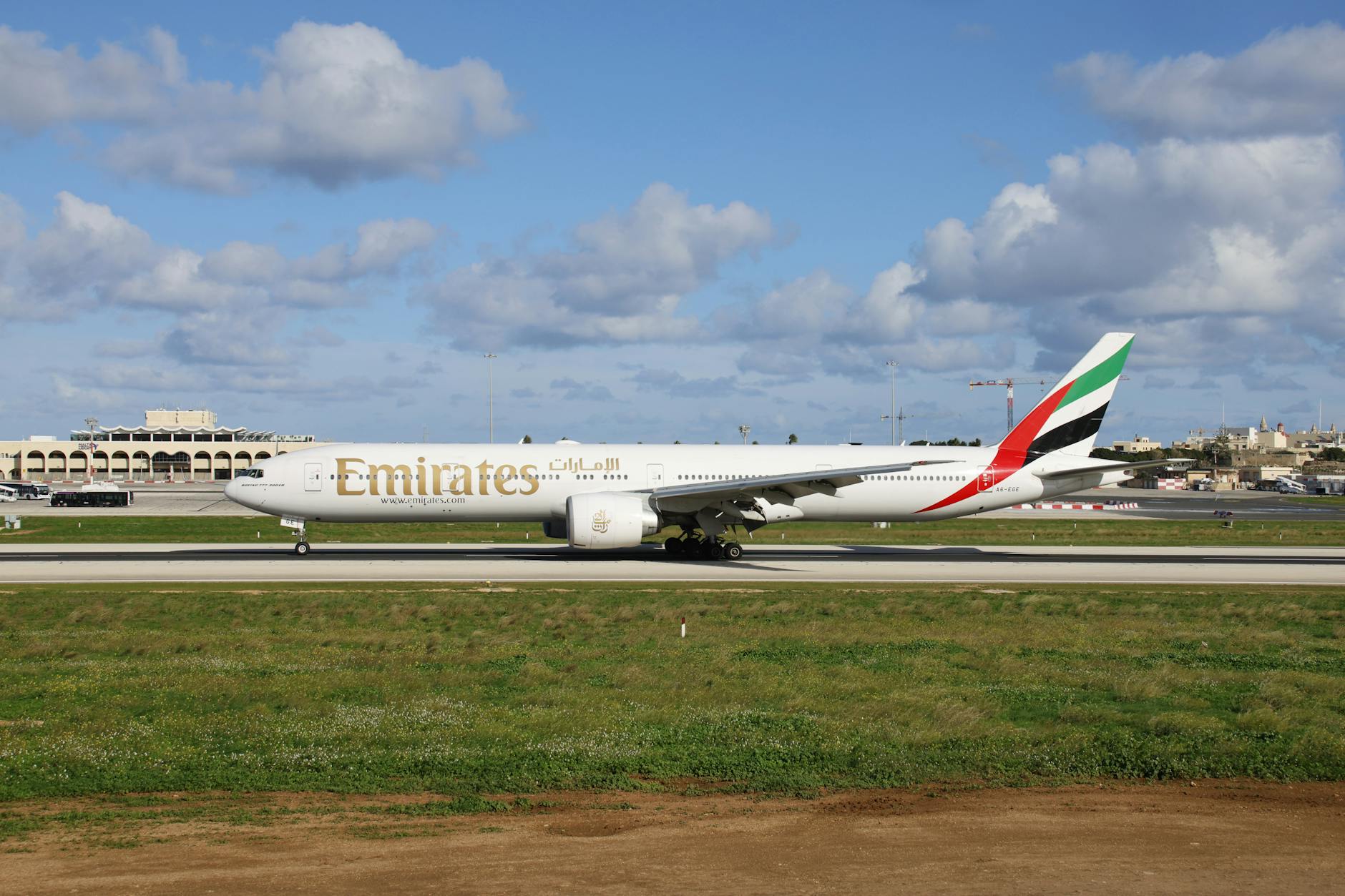 Photo by Andrew Cutajar on Pexels
Europe sets a Q4 2026 start for ETIAS
After years of postponements, the EU plans to roll out the European Travel Information and Authorisation System (ETIAS) in the final quarter of 2026. The scheme requires Americans and other visa-exempt travellers to apply online before visiting 30 European countries. The authorisation costs €20, remains valid for three years or until the traveller's passport expires, and will be introduced through a phased enforcement period that runs into late 2027.
ETIAS is not a visa, but it is a mandatory pre-screening step. It is designed to work alongside the EU's biometric Entry/Exit System (EES), which registers non-EU travellers at the border, replacing manual passport stamps with digital records and fingerprint and facial scans. Together, the two systems represent the most significant overhaul of European border procedures in a generation.
Washington warns: a passport is no longer enough
The U.S. Department of Transportation has cautioned that passports alone are increasingly insufficient, as more destinations demand digital travel authorisations and supporting paperwork. Officials are advising travellers to assemble a "document kit" — printed and digital copies of entry approvals, return tickets, accommodation bookings and travel insurance — so a dead phone battery, a system outage or a lost wallet does not derail a trip.
Airlines are tightening their own checks too. Carriers face penalties when they fly passengers who are not eligible to enter a destination, so many are now verifying authorisations at the gate. That makes pre-travel compliance a practical necessity rather than a bureaucratic afterthought. Travellers can review the eligibility rules and document requirements well before departure.
How ETIAS fits a global trend
ETIAS is far from unique. It closely mirrors the U.S. ESTA, in place since 2009, and the United Kingdom's Electronic Travel Authorisation (ETA), which became mandatory for Americans in February 2026. The fees, validity periods and online application processes are broadly similar across all three.
The practical sting is cumulative. A traveller planning to visit both the UK and the EU now needs an ETA and an ETIAS on top of a valid passport. As electronic pre-travel screening becomes the global default for visa-free visitors, multi-country itineraries carry more administrative steps — and less room for last-minute booking. Those planning a European trip can start with an overview of how ETIAS works.
What could come next
If the current trend holds, more countries are likely to adopt their own pre-travel authorisation systems, making spontaneous international travel harder to pull off. Analysts point to several plausible scenarios: reciprocal measures by the United States, further tightening of entry rules amid geopolitical tensions, or the gradual expansion of integrated biometric systems worldwide.
Those biometric networks could streamline travel for compliant visitors, but they also raise fresh questions about privacy and data security. For now, the message from both Brussels and Washington is the same: check the requirements early, carry backups, and never assume a passport alone will get you through the gate.
Tags:
Source:
Image Sources:
- Header image: Photo by Efrem Efre on Pexels
- Teaser image: Photo by Lara Jameson on Pexels