
News
Post-Brexit Travel Questions Before the EES Rollout: What British Travellers Needed to Know
Person with red luggage walking on a sunny outdoor walkway, capturing a travel moment.
Article content
Post-Brexit Travel Questions Before the EES Rollout: What British Travellers Needed to Know
As autumn 2025 approached, one question dominated the inbox of travel correspondents: what exactly will change at the European border, and when? After years of delays, the European Union confirmed that its Entry/Exit System (EES) would begin a phased rollout on 12 October 2025. For British travellers, who now hold the status of third-country nationals following Brexit, it marks the most visible shift in cross-Channel travel since the UK left the bloc.
The subject has attracted an unusual amount of misinformation, which is why a clear, calm explanation matters more than speculation. The essentials are straightforward, even if the headlines are not.
 Photo by Atlantic Ambience on Pexels
What the Entry/Exit System actually does
EES is an automated database that records non-EU visitors each time they cross an external Schengen border for a short stay. In place of a manual passport stamp, border officers register travellers digitally. On a first crossing under the system, visitors provide biometric data, including fingerprints and a facial image, alongside their passport details and the date and place of entry.
Because the launch is phased rather than instant, the experience in the early weeks will be uneven. Some borders and terminals will use the new biometric process from day one, while others continue with familiar manual checks until the system is fully integrated. Travellers should allow extra time and follow the instructions of border staff rather than assume every crossing will look the same.
Why there is so much confusion
Much of the anxiety stems from conflating two separate schemes. EES is about how you are processed at the border. The second scheme, the European Travel Information and Authorisation System (ETIAS), is a pre-travel authorisation that visa-exempt visitors will need to obtain online before they leave home, broadly similar to the United States' ESTA. ETIAS was still some months away at the time of writing and was not part of the October change.
Keeping the two ideas separate removes most of the worry. EES does not require an application in advance; ETIAS will. Neither is a visa in the traditional sense, and the 90-days-in-180 rule for short stays continues to apply unchanged.
How to prepare with confidence
The practical advice is simple: carry a passport that meets the validity rules, expect to register biometrics on your first post-launch trip, and build in a little extra time at the border during the transition. For a fuller picture of how the EU's new digital border systems connect, the ETIAS and EES overview sets out what to expect before and after departure.
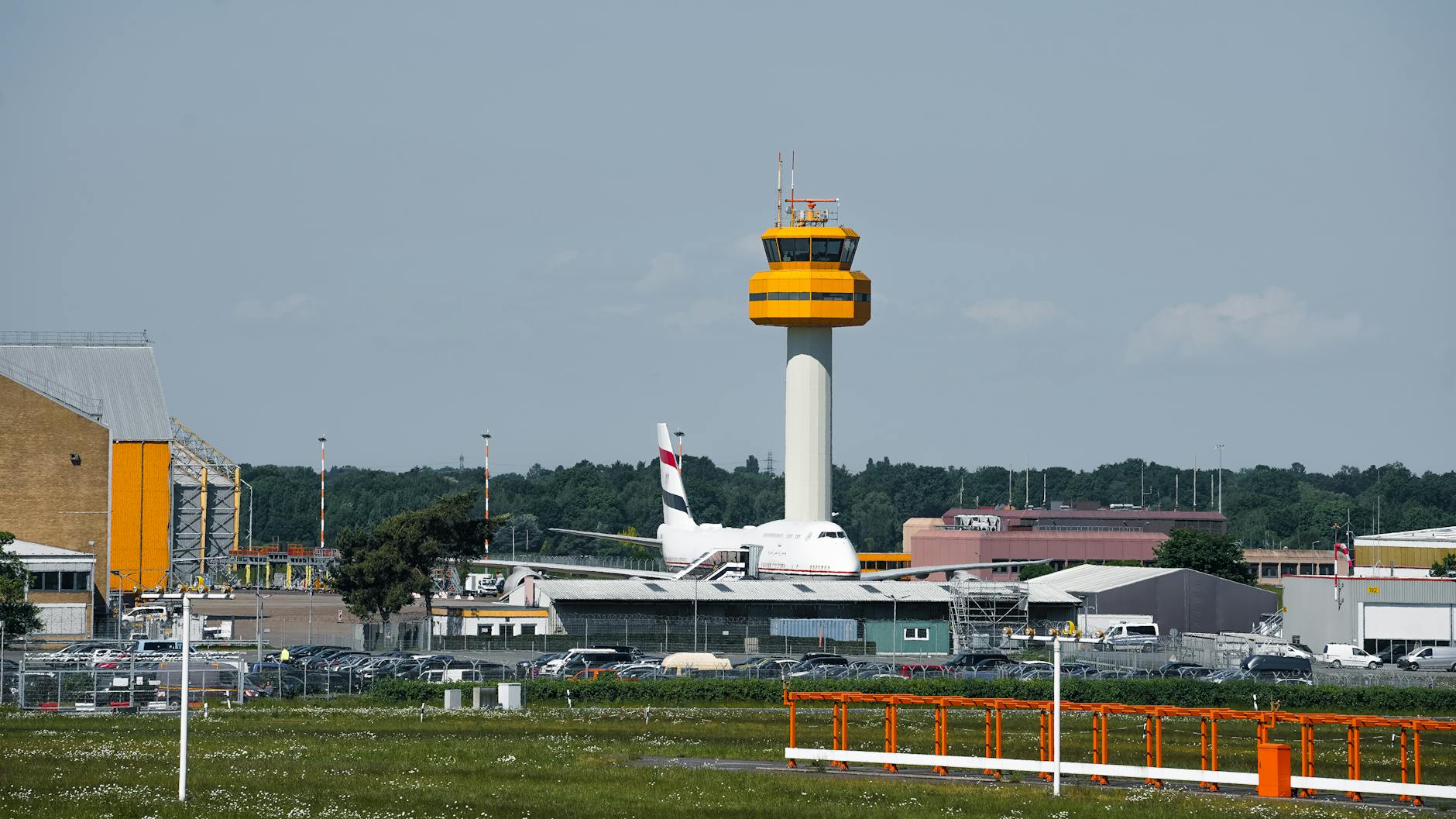 Photo by Wolfgang Weiser on Pexels
Tags:
Source:
Image Sources:
- Header image: Photo by Atlantic Ambience on Pexels
- Teaser image: Photo by Wolfgang Weiser on Pexels