
News
What Is ETIAS — and When Will UK Travellers Actually Need One?
Two travelers walking in city carrying vintage suitcases, reflecting urban travel lifestyle.
Article content
What Is ETIAS — and When Will UK Travellers Actually Need One?
The short answer to the question troubling millions of British holidaymakers is reassuring: you will not need a European Travel Information and Authorisation System (ETIAS) permit before 2027. Despite a steady drumbeat of headlines, the extra paperwork that comes with the EU's tightened frontier controls remains some way off for travellers heading from the UK to the Schengen Area.
ETIAS is the next stage in the European Union's long-running plan for stronger external borders. It is an online permit that visa-exempt third-country nationals — a category Britons joined after Brexit — must obtain ahead of short trips to most of Europe. The scheme is broadly similar to the United States' ESTA, and once live it will apply to around 1.4 billion people from 59 visa-exempt countries and territories.
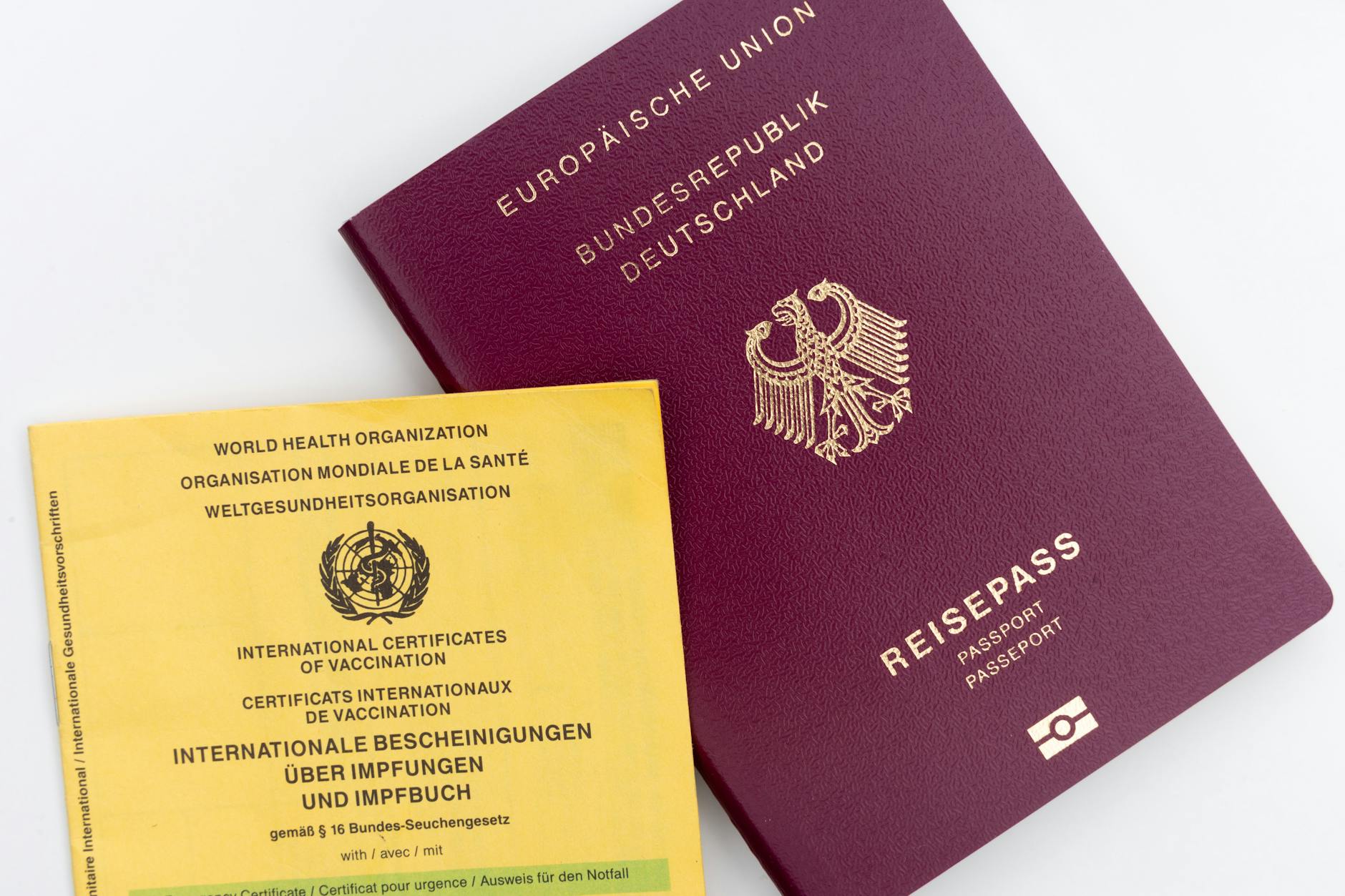 Photo by Markus Winkler on Pexels
Why the timing keeps slipping
ETIAS cannot begin until the EU's Entry/Exit System (EES) is fully operational. EES is the digital border scheme that registers every non-EU traveller crossing the Schengen frontier, capturing fingerprints and facial biometrics on a central database. It was meant to be fully rolled out by 10 April 2026, but the launch has been, to put it politely, inconsistent.
The teething problems have been real and visible: more than 100 passengers were left behind at Milan Linate airport because of long passport-control delays, and Dover saw gridlock as the May half-term getaway began. The system is being delivered by Frontex, the European Border and Coast Guard Agency, and its uneven start is the main reason ETIAS keeps drifting down the calendar. You can follow the latest developments on our news page.
When will British travellers actually need it?
The long-standing plan is for ETIAS to launch six months after EES is successfully bedded in. The European Commission insists the permit "will start operations in the last quarter of 2026" — some time between October and December — with the exact date confirmed several months in advance.
Crucially, the launch does not make ETIAS mandatory overnight. The EU has confirmed a transitional period of at least six months, during which travellers are encouraged to apply but will not be turned away if they don't hold a permit, provided they still meet the usual entry conditions. Those conditions are simply the existing passport rules: issued no more than 10 years before the day of entry, and valid for at least three months on the intended day of departure.
That means the earliest any British traveller will genuinely need an ETIAS is April 2027. After the transitional period ends, a further one-time "grace period" of at least six months applies to anyone arriving for the first time without a permit — pushing the real deadline, for many, as far back as 1 October 2027.
What ETIAS costs and how long it lasts
The permit costs €20 (about £17) for applicants aged 18 to 70. Travellers under 18 or over 70 still need an ETIAS but are exempt from the fee. Once granted, it is valid for three years, or until the linked passport falls within three months of expiry — whichever comes first. It covers short stays of up to 90 days in any 180-day period across the Schengen Area, which spans almost all EU countries except Ireland, plus Iceland, Norway, Switzerland and Liechtenstein. British travellers will also need one to visit Gibraltar. Before applying, it is worth checking the full eligibility rules.
How the application will work
At the heart of the system will be an official ETIAS website and, later, an app. Applicants will submit personal details including name, address, contact information in Europe and passport data, along with their occupation and — for students — the name of their educational establishment. They must also declare any serious convictions from the past 15 years, or 25 years in the case of terrorism.
You will be asked your reason for travel, the Schengen country where you intend to enter, and the address of your first night's stay — though the EU stresses you are free to change those plans once the authorisation is in hand. Most applications should be approved within minutes, but a straightforward case can take up to four days, and anyone flagged against a database may face additional checks or an interview lasting up to 30 days. The clear advice is to apply before booking flights and hotels.
 Photo by Yaşar Başkurt on Pexels
A few things that won't change
There is no need to print anything: border guards retrieve your details from the passport you used to apply. Airlines will check your ETIAS status before departure, much as they already do for the US ESTA and Canadian eTA. And the permit is not required for Ireland, which sits outside the Schengen Area within the Common Travel Area, nor for anyone holding a study, work or long-stay visa for an EU country.
One persistent risk is worth flagging now: scams. Many unofficial sites already advertise ETIAS "applications" at inflated prices, despite the fact that no permits have yet been issued anywhere. The only trustworthy source is the EU's own portal at europa.eu/etias — treat every other site with suspicion. For a plain-English summary of how the permit fits into the wider border changes, see our ETIAS overview.
Tags:
Source:
Image Sources:
- Header image: Photo by Tahir Osman on Pexels
- Teaser image: Photo by Mo Productions on Pexels