
News
Which Nationalities Will Need the ETIAS Visa Waiver?
A large airplane docked at an airport gate with a shuttle bus nearby under cloudy skies.
Article content
Which Nationalities Will Need the ETIAS Visa Waiver?
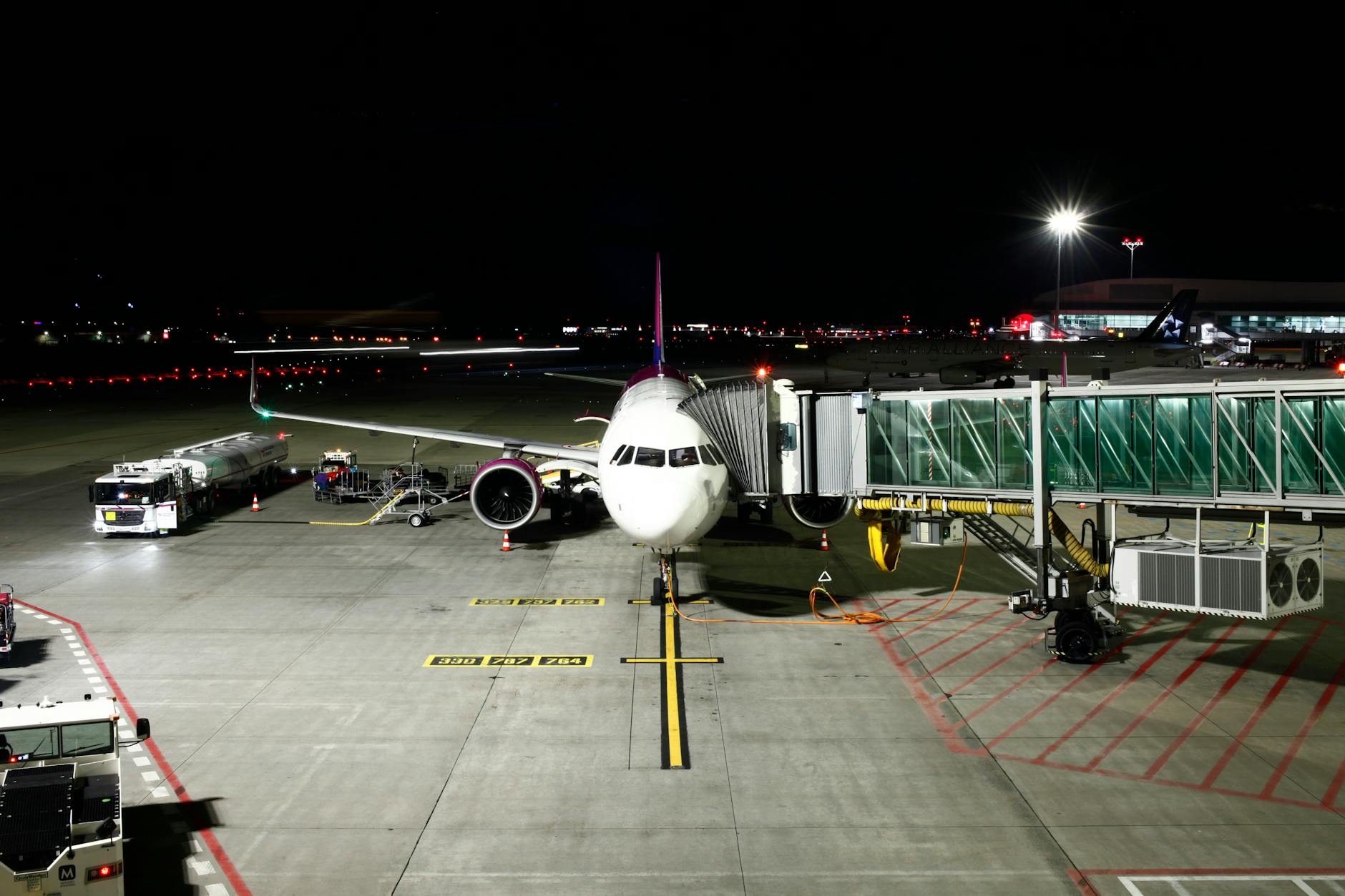 Photo by Eran Menashri on Pexels
The European Travel Information and Authorisation System (ETIAS) is an online pre-travel authorisation designed to strengthen border security for Europe's Schengen Area. It is not a visa, but a waiver: only travellers who already enjoy visa-free access to Schengen will use it, while nationals who currently need a visa continue to follow standard visa procedures.
For eligible travellers it offers a simpler alternative to a traditional visa, completed online before departure rather than through an embassy appointment.
Annex II — the visa-waiver countries
The EU and EFTA countries that make up Schengen keep a list of visa-exempt nations known as Annex II. Following Brexit, the United Kingdom was added to this list, so British citizens will need an ETIAS to visit Schengen visa-free. The list covers more than 60 countries and territories; nationals of the following will need ETIAS:
- Albania, Antigua and Barbuda, Argentina, Australia, Bahamas, Barbados, Bosnia and Herzegovina, Brazil, Brunei, Canada, Chile, Colombia, Costa Rica, Dominica, El Salvador, Georgia, Grenada, Guatemala, Honduras, Hong Kong, Israel, Japan, Kiribati, Macau, Malaysia, Marshall Islands, Mauritius, Mexico, Micronesia, Moldova, Montenegro, New Zealand, Nicaragua, North Macedonia, Palau, Panama, Paraguay, Peru, Saint Kitts and Nevis, Saint Lucia, Saint Vincent and the Grenadines, Samoa, Serbia, Seychelles, Singapore, Solomon Islands, South Korea, Taiwan, Timor Leste, Tonga, Trinidad and Tobago, Tuvalu, Ukraine, United Arab Emirates, United Kingdom, United States, Uruguay, Vanuatu and Venezuela.
The microstate exceptions
Four further 'Annex II' entries are European microstates closely tied to neighbouring Schengen states: Andorra, Monaco, San Marino and Vatican City. Their citizens do not need a visa or an ETIAS. Because these microstates have no border controls with the surrounding Schengen countries, they are effectively part of the area — Andorra is reached only from France or Spain, San Marino and the Vatican only from Italy, and Monaco via France or by sea through French immigration. In practice, travellers from other Annex II nations will use ETIAS to visit these microstates too.
How the waiver works
Registering with ETIAS will be necessary to travel visa-free to any Schengen country, and the process is done online. Applicants provide a few personal and passport details along with their travel plans, allowing border authorities to screen them in advance; as long as there are no red flags, the visitor is approved.
The online format makes ETIAS far more convenient than a traditional visa, which must be arranged at an embassy. It covers short-term tourism and business trips, but it does not grant the right to work in Europe, and anyone planning to relocate should look into the relevant national visas and permits. To check whether your trip is covered, see our ETIAS eligibility guide before you book.
Tags:
Source:
Image Sources:
- Header image: Photo by Matias Mango on Pexels
- Teaser image: Photo by Corina Constantinov on Unsplash