
News
EES and ETIAS in 2026: What Travellers to Europe Should Prepare For
black and gray airplane seats
Article content
EES and ETIAS in 2026: What Travellers to Europe Should Prepare For
Two new systems are reshaping how British and other non-EU travellers cross into Europe, and the timeline is now becoming clearer. The European Union launched its Entry/Exit System (EES) on 12 October 2025, with full implementation for British travellers to the Schengen area anticipated by 10 April 2026.
Understanding the sequence — EES first, then ETIAS — helps travellers know what to expect at the border and what they need to do before they leave home.
 Photo by Alev Takil on Unsplash
What EES means at the border
The EES requires non-EU citizens, including British travellers, to undergo biometric checks — fingerprints and facial scans — on their first entry to the Schengen zone and on subsequent exits. It replaces manual passport stamping with a digital record of each crossing.
Because the rollout is phased rather than instant, the experience over the first months may be mixed: some borders will already be running the biometric process, while others continue with manual checks until the system is fully in place. The stated aims are to enhance security, combat irregular migration and ensure compliance with the short-stay limit, though the trade-off in the early stages may be longer queues.
How ETIAS fits in
The European Travel Information and Authorisation System (ETIAS) is the second piece. It is expected to be introduced around six months after the EES rollout is completed — roughly October 2026 — but will not become mandatory for UK visitors until about six months after that, estimated around April 2027.
ETIAS is an online permit costing €20 and valid for three years, though it will be free for travellers under 18 or over 70. Unlike EES, which is handled at the border, ETIAS is something travellers apply for before they leave, linking the authorisation to their passport.
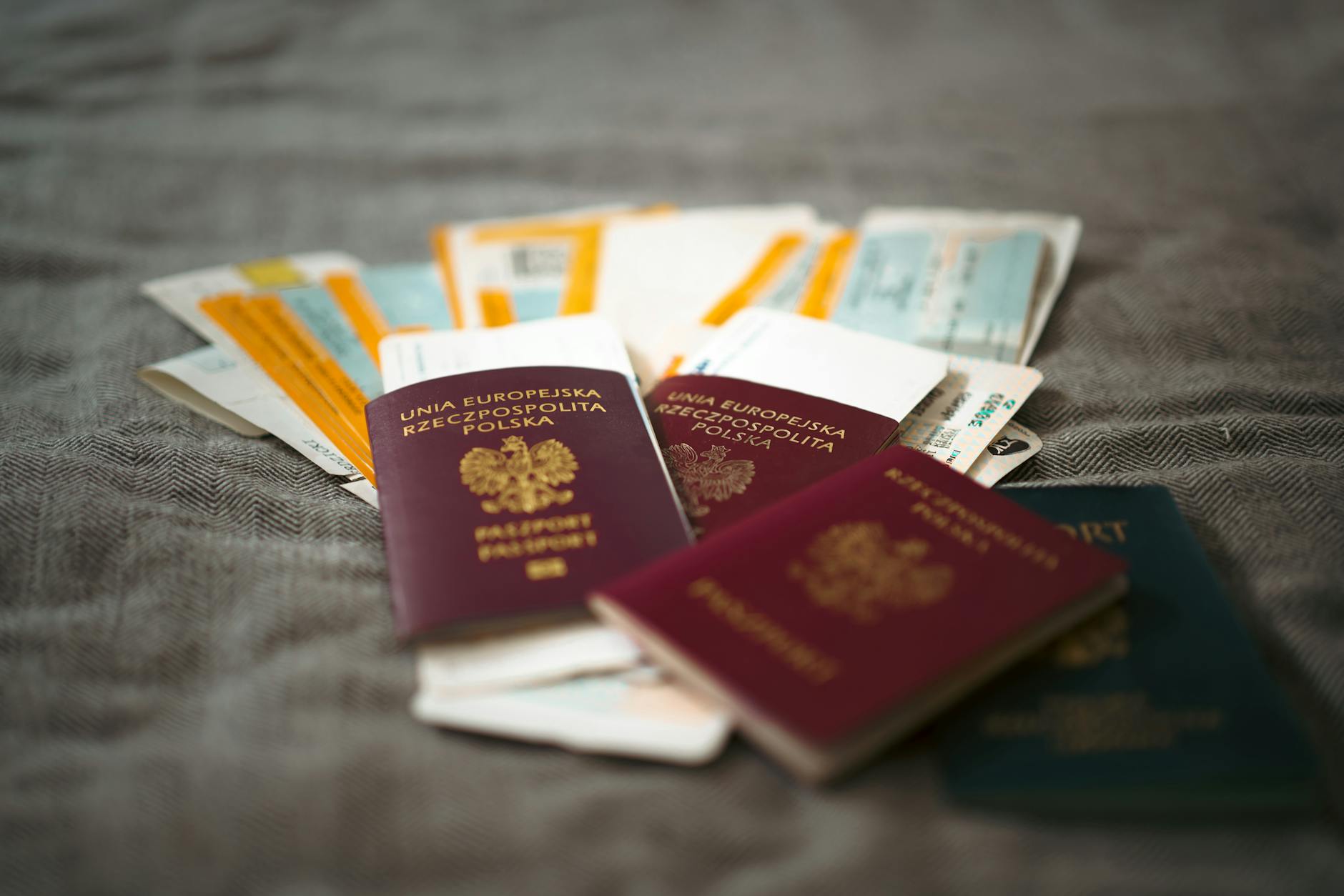 Photo by Jakub Zerdzicki on Pexels
How to prepare
For trips in 2026, the practical priorities are straightforward. Allow extra time at the border during the EES transition, especially at busy crossings, and be ready to provide biometric data on your first entry under the new system. Keep your passport details consistent with your booking, and check the rules for the specific border you will use, since rollout pace varies by country and terminal.
For ETIAS, there is no need to act yet, but it is worth knowing it is coming and roughly when. Following a clear ETIAS overview is a simple way to stay ahead of the changes and avoid last-minute surprises once the authorisation becomes mandatory.
Tags:
Source:
Image Sources:
- Header image: Photo by Alev Takil on Unsplash
- Teaser image: Photo by Jakub Zerdzicki on Pexels