
News
ETIAS Comes After EES: Why UK Travellers Still Need to Wait for the Official Timeline
Close-up view of a German passport and WHO vaccination card, ideal for travel themes.
Article content
ETIAS Comes After EES: Why UK Travellers Still Need to Wait for the Official Timeline
A new travel requirement has just taken effect, and the travel association ABTA is keen to make sure travellers understand exactly who it applies to. From 2 April, European travellers heading to the United Kingdom need an Electronic Travel Authorisation (ETA) before they arrive, unless they qualify for one of several exemptions.
Crucially, this is a change for Europeans coming to the UK, not for UK travellers going the other way. It is also only the first of three upcoming changes affecting travel across the UK–Europe border, and the only one to have gone live so far, which leaves plenty of scope for confusion.
What is changing now: the UK's ETA
The ETA is a digital permission to travel that European visitors must obtain before entering the UK. There are exemptions: people who hold a British or Irish passport, who are UK citizens, who already have a visa, or who otherwise qualify do not need one.
The authorisation currently costs £10, but that price is not staying still for long. From 9 April the fee rises to £16, so travellers who need one are better off understanding the requirement sooner rather than later.
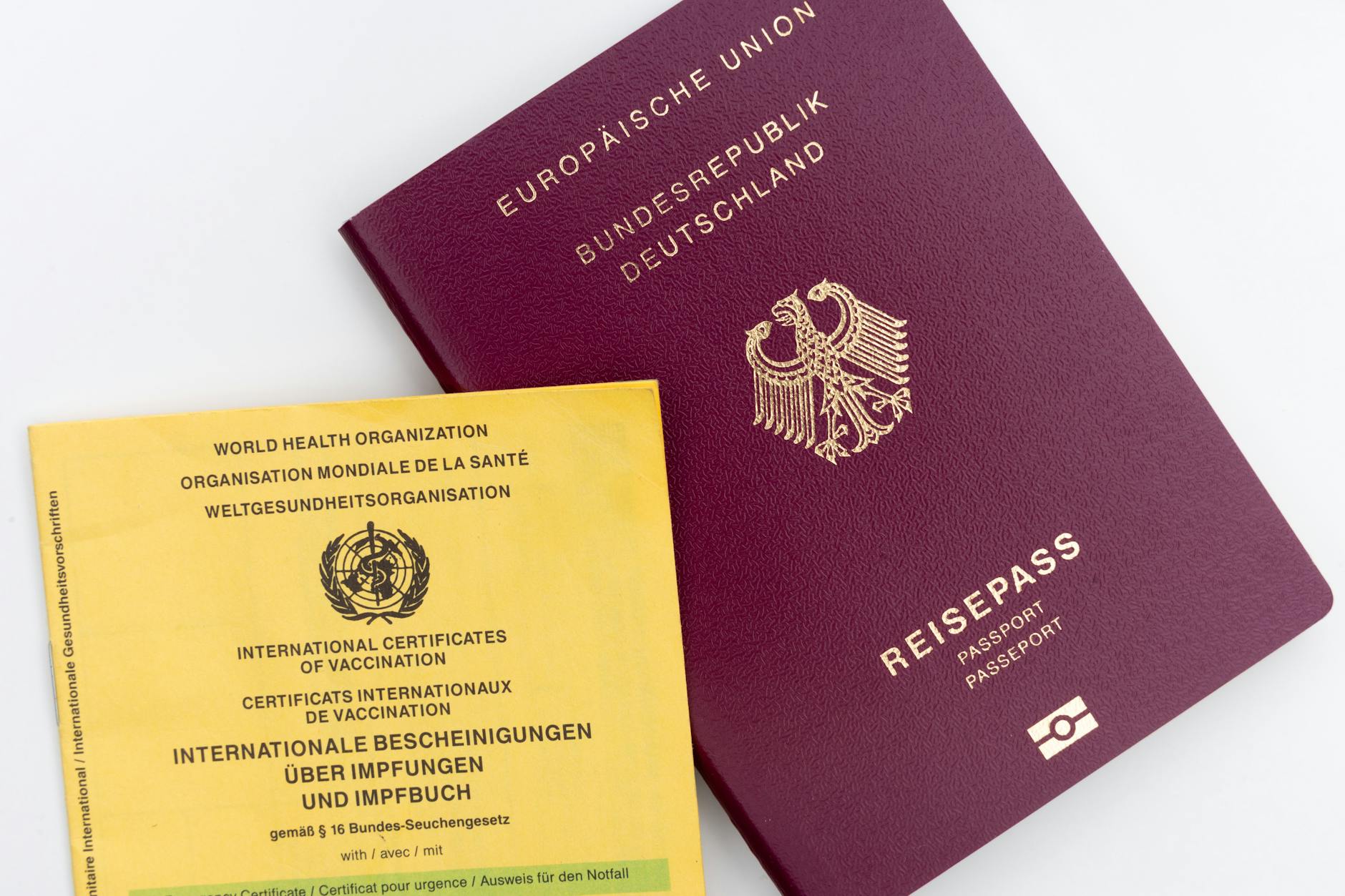 Photo by Markus Winkler on Pexels
EES first, then ETIAS
In time, UK travellers will face a comparable requirement of their own. To visit Europe they will eventually need a European Travel Information and Authorisation System (ETIAS) authorisation, mirroring the ETA in the opposite direction. The important point is that this is not expected until the end of 2026.
ETIAS will not come first, either. Before it arrives, the EU is introducing the Entry/Exit System (EES), a digital border system that replaces the familiar passport stamp. Under EES, your passport will no longer be stamped; instead you will have your fingerprints taken and your face scanned with facial recognition technology.
EES has been delayed a number of times, but the EU is now working towards October 2025. Even then it will not all switch on at once: the system is due to be introduced in phases across roughly six months, so not every border point will be using it straight away. ETIAS only follows once EES is up and running, which is why the UK ETIAS timeline still points to late 2026.
 Photo by Guillaume Périgois on Unsplash
Why the timing matters — and the scam risk
Because several changes are arriving at different moments, ABTA is keen for people to understand the timing. There are already unofficial websites claiming to offer an ETIAS, but since the system is not live, and will not be for some time, anyone who tries to "apply" now risks being defrauded, losing money and potentially handing over personal data.
Graeme Buck, ABTA Director of Communications, was clear that the only thing travellers need to act on right now is for European visitors to the UK to apply for an ETA. Nothing will change for UK holidaymakers travelling to Europe this summer. For travellers who want to keep the sequence straight, the simplest approach is to follow the official overview of how EES and ETIAS fit together and wait for the genuine launch rather than acting on a website that promises an ETIAS today.
Tags:
Source:
Image Sources:
- Header image: Photo by Markus Winkler on Pexels
- Teaser image: Photo by Guillaume Périgois on Unsplash