
News
ETIAS Explained: What It Costs, Who Needs It and When UK Travellers Must Apply
flying black and white airliner under white clouds
Article content
ETIAS Explained: What It Costs, Who Needs It and When UK Travellers Must Apply
Brexit added a fresh layer of paperwork to European travel, and the next instalment is now on the horizon. The European Travel Information and Authorisation System (ETIAS) is the European Union's online travel permit for visitors who do not need a visa, and British holidaymakers are squarely within its scope. First trailed in 2025 and updated repeatedly since, the scheme has generated a steady stream of questions about cost, timing and who is actually affected. Here is a clear guide to what ETIAS is, when it will arrive, and how to apply without falling for a scam.
 Photo by Maruf Ahmed on Unsplash
What ETIAS is and what it costs
ETIAS is not a visa. It is an electronic authorisation that third-country nationals — the category the British now fall into after Brexit — must hold before they travel to the Schengen area. The system is being delivered by Frontex, the European Border and Coast Guard Agency, and it depends on the EU's Entry/Exit System (EES) being fully up and running first. Once live, ETIAS is expected to apply to roughly 1.4 billion people from 59 visa-exempt countries and territories.
The permit costs €20 (about £17) and remains valid for three years, or until the holder's passport falls within three months of expiry — whichever comes first. It covers almost the entire EU, the notable exception being Ireland, plus Iceland, Norway, Switzerland and Liechtenstein. British travellers will also need an ETIAS to visit Gibraltar. Holding the authorisation does not, on its own, guarantee admission: border guards retain the power to refuse entry, just as they do today.
When it starts and who needs it
The timetable is tied directly to EES. The European Commission says ETIAS will begin operations in the final quarter of 2026, somewhere between October and December, roughly six months after the Entry/Exit System is successfully rolled out. Crucially, the launch will not be a hard switch. For at least the first six months there is a transitional period during which the permit is voluntary: travellers are encouraged to apply, but anyone arriving without one will not be turned away, provided they meet the other entry conditions. Those conditions include holding a passport issued no more than ten years before the date of entry and valid for at least three months beyond the intended departure.
In practice, this means the earliest a British traveller would actually need an ETIAS is around April 2027. A further one-off grace period of at least six months could push that back again, to roughly 1 October 2027 for first-time arrivals. The familiar 90-days-in-any-180 limit on short stays continues to apply throughout. ETIAS is not required for trips to Ireland, which remains part of the Common Travel Area, and it is not needed by anyone who already holds a long-stay study or work visa or residence permit.
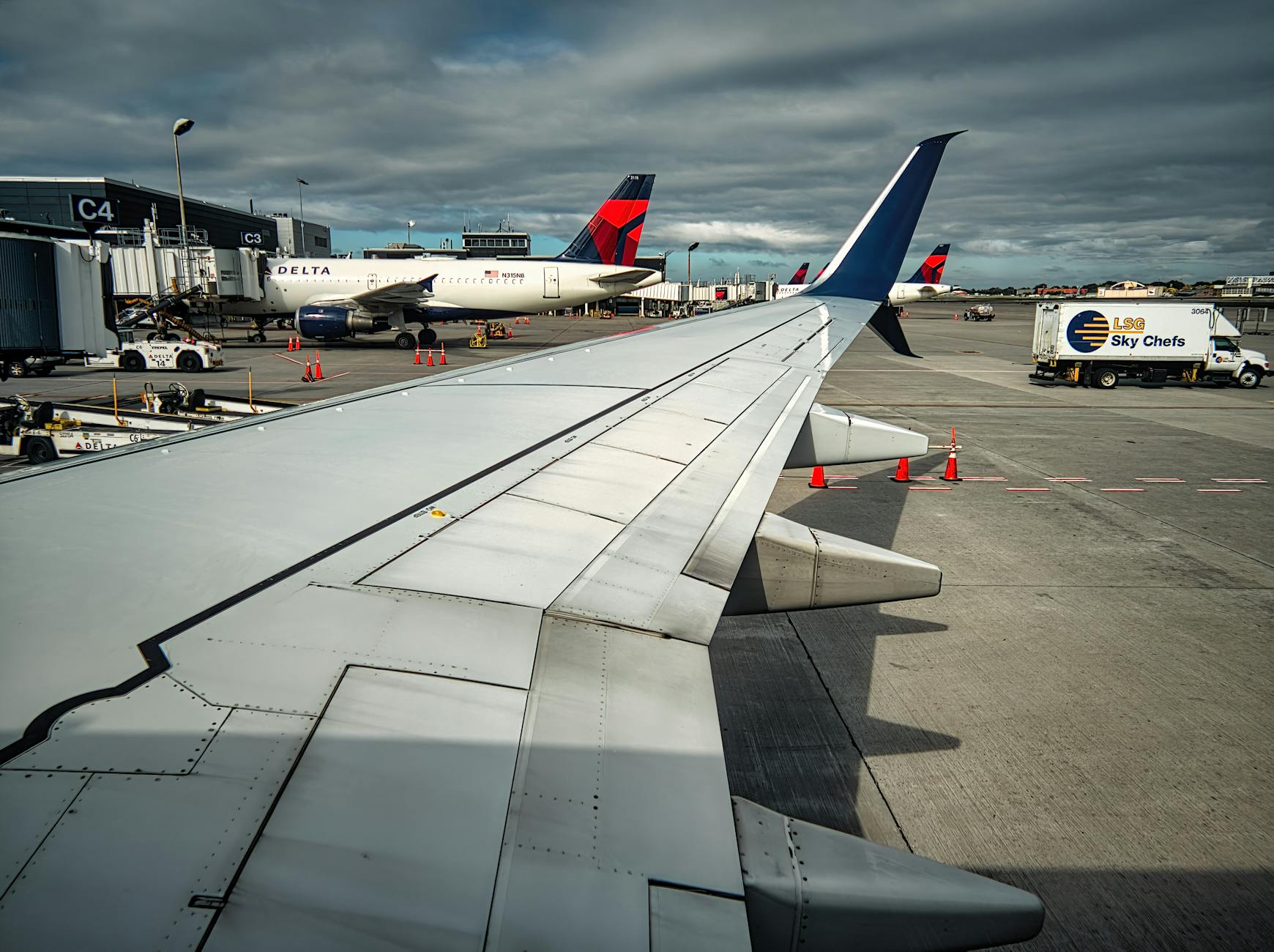 Photo by Tom Fisk on Pexels
How to apply safely
When the system opens, applications will be made through an official ETIAS app and website. The only genuine source is europa.eu/etias; any site or app currently claiming to sell an ETIAS is almost certainly a scam, often charging far more than the €20 fee. Applicants will provide their name, address, contact details in Europe, passport information and an occupation — a job title and employer, or, for students, the name of their educational establishment. They must also state the reason for the journey, the Schengen country of first entry and the address of their first night's stay, although those plans can change later. A declaration covering any serious criminal convictions in the past 15 years (or 25 years for terrorism offences) is required too.
Most applications are approved within minutes, but a straightforward case can take up to four days, and anyone flagged for review may be asked for more information or an interview that adds up to a further 30 days. The fee applies to applicants aged 18 to 70; younger and older travellers must still apply but pay nothing. Airlines will check each passenger's ETIAS status before departure, much as they already do with the United States' ESTA. To stay safe, ignore the lookalike sites, wait for the official launch, and understand the ETIAS application process before you book your next trip to Europe.
Tags:
Source:
Image Sources:
- Header image: Photo by Maruf Ahmed on Unsplash
- Teaser image: Photo by Tom Fisk on Pexels