
News
EU Plans to Triple the ETIAS Entry Fee for Visa-Free Visitors to €20
Spacious airport terminal featuring a modern staircase and glass railings enhancing architectural design.
Article content
EU Plans to Triple the ETIAS Entry Fee for Visa-Free Visitors to €20
The European Commission has proposed raising the fee for visa-exempt travellers entering the bloc for short stays from €7 to €20, a senior EU official has confirmed. The increase is closely tied to the EU's wider budget plans and would significantly change the cost of the upcoming European Travel Information and Authorisation System (ETIAS).
 Photo by Brian James on Pexels
What ETIAS is and who it affects
Visa-exempt travel is due to become available from the last quarter of 2026 through ETIAS, covering 30 European countries — all EU member states except Ireland, plus Iceland, Norway, Liechtenstein and Switzerland. An ETIAS authorisation will be required for short stays of up to 90 days by nationals of visa-exempt states.
At present, the planned cost is set at €7 per applicant, with exemptions for those under 18 or over 70 at the time of application. Under the new proposal, that charge would nearly triple to €20.
A fee linked to the EU budget
Unlike the travel and aviation groups who have framed the increase purely as an operational matter, the Commission has placed this change firmly in the context of the EU budget. The new ETIAS fee revenue would be assigned to the bloc's finances as part of a push to raise additional ‘own resources’ — revenues collected at EU level.
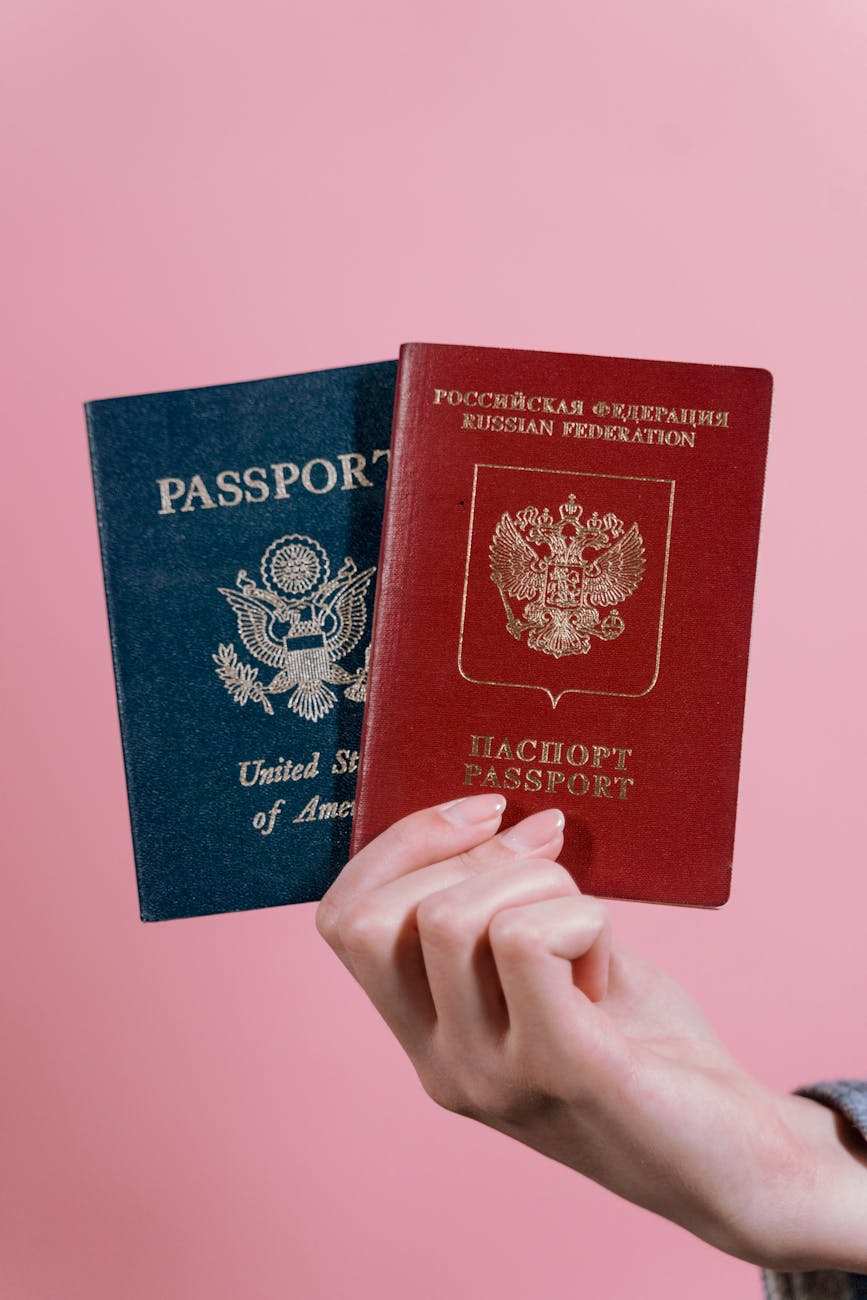 Photo by Tima Miroshnichenko on Pexels
The proposal accompanies the presentation of a substantially larger long-term EU budget for the 2028–2034 period, which foresees a significant increase in revenue from own resources. Alongside other measures, the plan to raise the ETIAS fee is expected to generate roughly €300 million per year.
What happens next
The Commission has submitted the proposal to the Council and the European Parliament, which must endorse it. Notably, unlike some other own-resources measures, the increase in the ETIAS fee would not require unanimous approval by all EU member states, which could make it easier to adopt.
For travellers, the practical takeaway is straightforward: once ETIAS launches, a valid authorisation will be needed before departure. Understanding the ETIAS application process early will help visa-exempt visitors budget for the new charge and avoid last-minute surprises.
Tags:
Source:
Image Sources:
- Header image: Photo by Brian James on Pexels
- Teaser image: Photo by Tima Miroshnichenko on Pexels