
News
Supporting the Trade Ahead of the EU's Entry/Exit System Launch
Travelers board a Ryanair plane at sunset in Porto, capturing the essence of budget travel.
Article content
Supporting the Trade Ahead of the EU's Entry/Exit System Launch
The travel industry now had a target go-live date for the EU's new Entry/Exit System (EES): 10 November 2024. Initially, this would mean a significant change for British holidaymakers travelling to Europe, who would need to provide fingerprints and facial scans, as well as their passport and travel details, on arrival at the border. While the immediate effect is more steps at the frontier, the EES is also designed to make passport control easier in the long run, because passports will no longer be stamped manually.
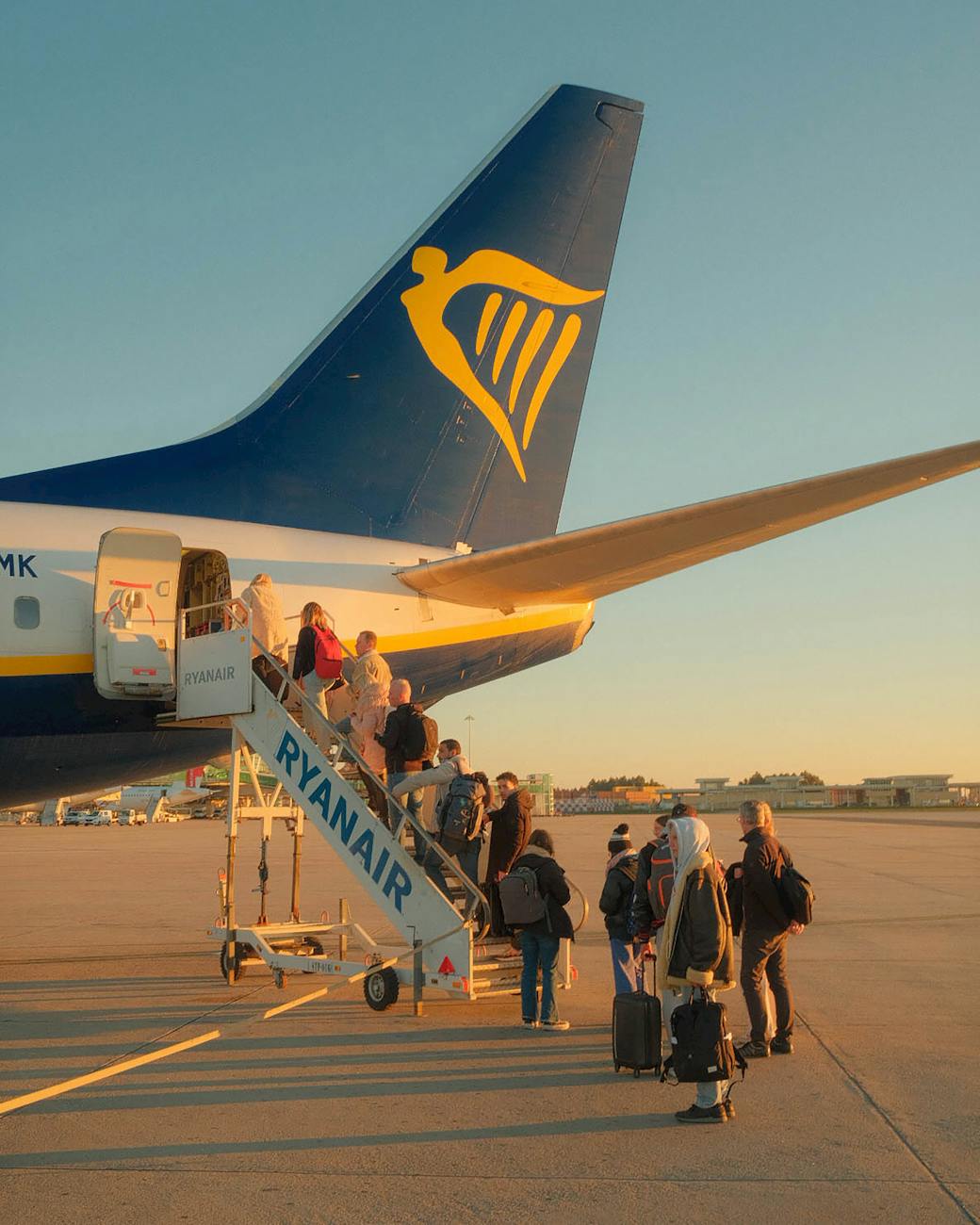 Photo by Jérémy Glineur on Pexels
The risk of queues, and the flexibility built in
ABTA was conscious of the potential for queues or delays when the system was first introduced, as the initial registration would mean it takes longer to process passengers. Whether queues form, and to what extent, was likely to vary from country to country and airport to airport. During the first six months, border officers would have the flexibility to adapt the application of EES checks to help manage queues, and ABTA was urging airports and ports to use these measures, and the European Commission to keep mitigation measures under review if any problems persisted.
The association said it was in close contact with the European Commission and the UK Government departments responsible for the changes. It expected more information in September, including final confirmation of the launch date and details of a communications campaign to make travellers aware of the changes and what they would need to do on arrival at the border. The UK Government would also conduct its own communications to advise the British public, and ABTA would receive copies of both sets of resources to make available to members.
What members and travellers could do next
ABTA already had information to help members understand what EES would mean for their business and customers, available in the ABTA Member Zone, along with a page on its public website advising customers of the changes. Members could expect to hear more in the run-up to implementation, with EES due to feature in a member conference call in September.
The association also noted developments on the European Travel Information and Authorisation System (ETIAS), which was expected to launch in mid-2025. Despite EES launching first, it was ETIAS that had captured national media attention, with coverage focusing on how travellers were likely to need one for trips to Europe the following summer. ABTA had been responding to interview requests, emphasising that the ETIAS fee is relatively small given that it is valid for three years and that most people would receive their authorisation quickly. If you want to get ahead of the changes, you can review the requirements and apply when applications open via the ETIAS application guide.
Tags:
Source:
Image Sources:
- Header image: Photo by Jérémy Glineur on Pexels
- Teaser image: Photo by Porapak Apichodilok on Pexels