
News
Spanish Tourism Sector Warns ETIAS Fee Could Harm Travel Demand
A passenger plane at Hamad International Airport in Doha with empty seating area in the foreground.
Article content
Spanish Tourism Sector Warns ETIAS Fee Could Harm Travel Demand
Spain's tourism industry has warned that it risks losing millions of British holidaymakers if the European Union proceeds with a new pre-travel charge for non-EU visitors. The country is the most popular destination for British travellers, and figures from June 2022 suggested that one in four international visitors to Spain were British.
The concern centres on the European Travel Information and Authorisation System (ETIAS), which at the time was expected to be introduced from November 2023. Because Britons became third-country nationals after Brexit, they fall within the scheme's scope.
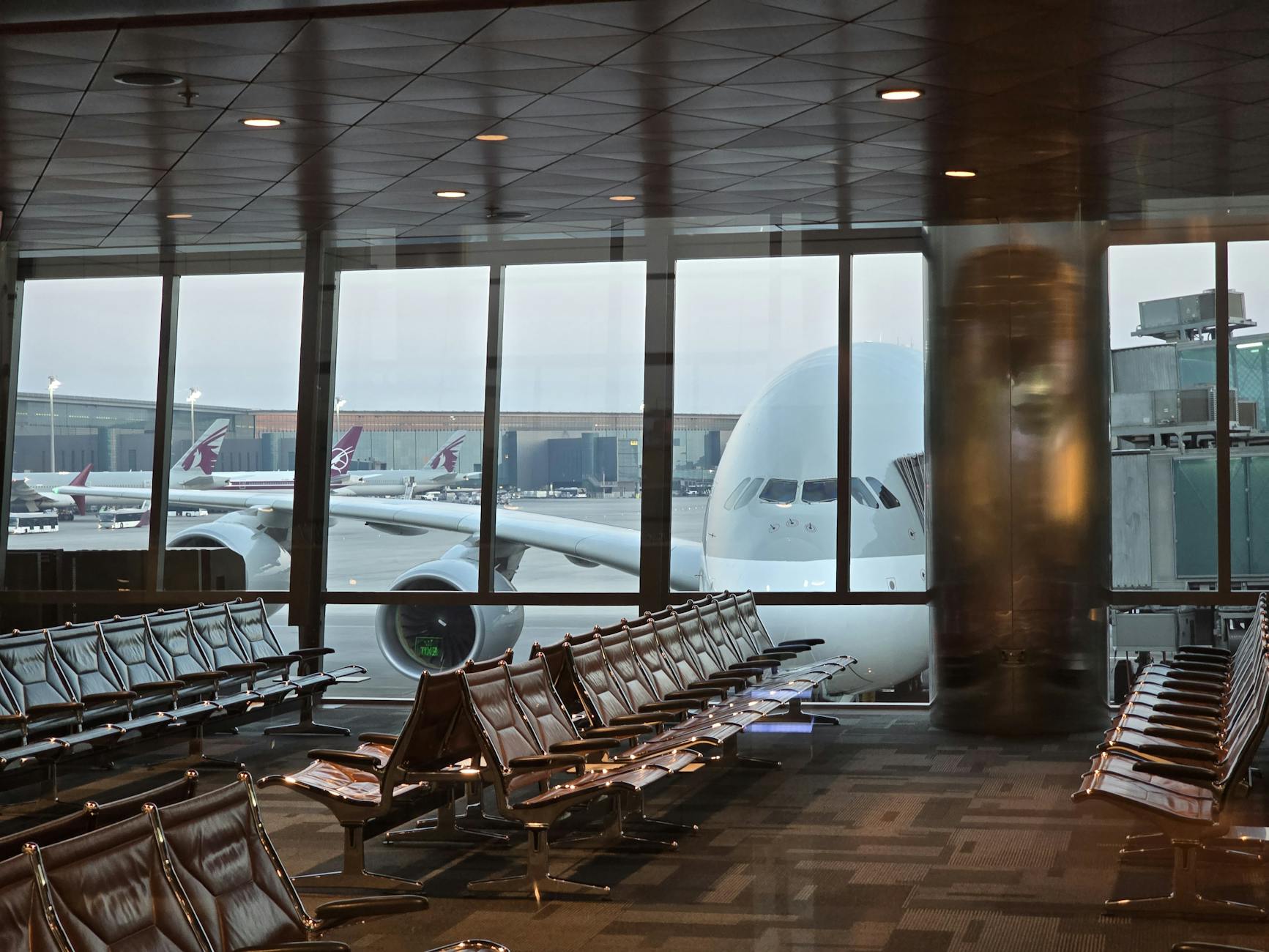 Photo by Æmyr Sahli on Pexels
What the industry said
The president of the Spanish tourism group Mesa del Turismo, Juan Molas, described the fee as a "threat", warning that it risked undermining the sector. In a statement following its first General Assembly of the year, the board said it was "especially concerned about the impact of this tax on British tourism", its main market, which delivered 18 million arrivals in 2019.
The board added that, if introduced, the measure would be layered on top of the local taxes that travellers already pay to visit certain European cities. Mr Molas argued that the charge represented a "potential threat to the competitiveness of the Spanish tourism sector".
How ETIAS was set to work
Under the plans as described in 2023, prospective visitors from any third country would complete an online form covering details such as health, education and any criminal convictions, and pay €7 (about £6.20) for an authorisation valid for three years. Travellers aged under 18 and over 70 would be exempt from the fee.
ETIAS, first confirmed by the EU in 2021, was expected to apply to visitors from 63 countries outside the bloc, including Britain. Holders would be allowed visa-free entry for up to 90 days, during which they could engage in tourism and business but not work or study. The European Commission has insisted ETIAS is not a visa, noting that there is no consulate visit, no biometric data collection at the application stage, and far less information gathered than for a visa. Even so, because it requires applying in advance and paying a fee, it is widely compared to the US ESTA.
For British travellers planning a trip, it is worth checking Spain's current entry requirements for Spain before booking, so any new authorisation step does not come as a surprise.
 Photo by Tama Utama on Pexels
Tags:
Source:
Image Sources:
- Header image: Photo by Æmyr Sahli on Pexels
- Teaser image: Photo by Tama Utama on Pexels