
News
The 'Brexit Border Bonus': What the EU's New Entry Rules Mean for British Travellers
European Union flag waving elegantly within a historic stone archway in Brussels.
Article content
The 'Brexit Border Bonus': What the EU's New Entry Rules Mean for British Travellers
When the United Kingdom left the European Union, it asked to be treated as a "third country" at the EU's external border. The practical result is more paperwork, not less: British passport holders now queue in the non-EU lane, have their passports stamped, and are limited in how long they can stay. Commentators have wryly dubbed the cumulative effect a "Brexit Border Bonus," but for travellers the changes are very real.
Two big shifts are arriving together: the long-delayed Entry/Exit System (EES), and, six months after it, the European Travel Information and Authorisation System (ETIAS).
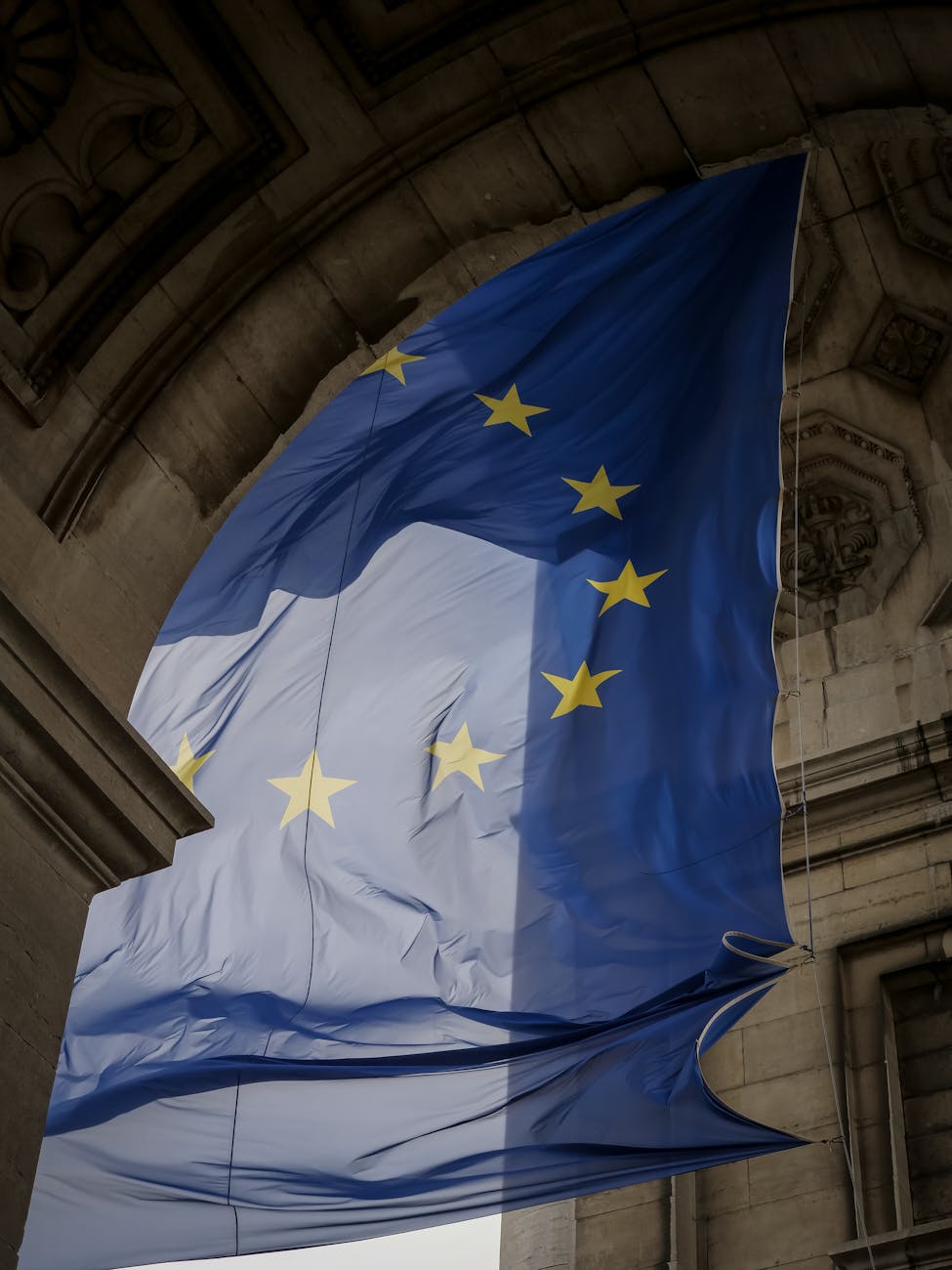 Photo by Petrit Nikolli on Pexels
Third-country status and the 90/180 rule
As third-country nationals, British travellers may now spend no more than 90 days in any rolling 180-day period within the Schengen area, which covers most of the EU plus countries such as Norway, Iceland and Switzerland. Border officers scrutinise passports to calculate days used, and a long stay can leave a traveller "locked out" until enough time has passed. This is a direct consequence of the post-Brexit settlement, and it applies to leisure trips to Spain, France, Greece and beyond.
EES: fingerprints and facial scans at the border
The Entry/Exit System replaces manual passport stamping with electronic registration. On first use, non-EU travellers provide biometric data, including fingerprints and a facial image, which is then linked to their entry and exit records. At publication, the system was expected to start from 10 November 2024, though the rollout has repeatedly moved.
There were practical concerns about queues, particularly at pinch points such as the Port of Dover, where coach passengers face limited space for processing. Operators and authorities invested in extra infrastructure to try to keep traffic moving as the new checks bedded in.
 Photo by Wolfgang Weiser on Pexels
ETIAS and what comes next
Once EES is up and running, the second change follows about six months later: ETIAS. Visa-exempt travellers, including British citizens, will need to complete an online application and pay a fee, originally set at €7, before travelling to the Schengen area. It is not a visa, but a pre-travel authorisation similar to the United States' ESTA, and once issued it allows short stays over a multi-year validity period.
None of this applies to Ireland, which sits outside the Schengen area under the Common Travel Area. For everyone else, it is worth getting familiar with the process in advance. You can read how to start your ETIAS application so the new requirement does not disrupt your trip.
Tags:
Source:
Image Sources:
- Header image: Photo by Petrit Nikolli on Pexels
- Teaser image: Photo by Wolfgang Weiser on Pexels