
News
Why Travel in 2026 Is Getting Harder, Pricier and More Bureaucratic
assorted-color of houses near lake
Article content
Why Travel in 2026 Is Getting Harder, Pricier and More Bureaucratic
For British travellers, 2026 is shaping up to be a year of more paperwork, longer queues and higher costs. A run of new border systems, surcharges and local taxes is landing across Europe and the United States at once, and while none of it makes travel impossible, the cumulative effect is real. The sensible response is not to panic but to understand each change and budget extra time and money accordingly.
This explainer pulls the main developments together: the EU's biometric border programme, proposed changes to US entry checks, and a wave of new tourist taxes on popular destinations.
 Photo by Alex Vasey on Unsplash
Europe's biometric borders: EES now, ETIAS next
The biggest structural change is the EU's Entry/Exit System (EES), which began its rollout across Europe in 2025 and continues to expand. Instead of a passport stamp, non-EU visitors register digitally on entry, providing fingerprints and a facial scan the first time they cross an external Schengen border for a short stay. Significant delays were already reported in December 2025, and travellers should expect longer queues at airports across the Schengen area while staff and systems bed in.
The next step after EES is ETIAS, the EU's pre-travel authorisation for visa-exempt visitors. It is a separate scheme from EES: where EES governs how you are processed at the border, ETIAS is an online permission you obtain before you leave home. Travellers who want to get ahead can prepare through the official ETIAS application page once the system goes live.
The United States: social-media checks and a national-parks surcharge
Across the Atlantic, visiting the US could become a more personal affair. Under proposals, ESTA applicants would be asked to hand over five years of social-media history, including Instagram, Facebook or X posts. These remain proposals rather than confirmed requirements, but they signal a tighter approach to screening visa-waiver travellers.
Costs are rising too. A $100 (£75) per-person "foreigner fee" now applies to foreign visitors at the 11 most popular US National Parks, on top of the usual admission charge of roughly $35 per car. For a family planning a road-trip itinerary, those surcharges add up quickly and are worth factoring into the budget early.
New tourist taxes across Europe
Higher fees are not solely a US phenomenon. In the summer, Edinburgh will introduce an overnight tax and Norway will bring in a tourist levy, while in February some of Rome's top sights, including the Trevi Fountain, will begin charging for entry. None of these is large in isolation, but together they reflect a broader shift: popular destinations increasingly asking visitors to contribute to the cost of tourism.
The practical takeaway for 2026 is consistency of preparation. Check border requirements before you fly, keep an eye on ESTA and ETIAS rules, and read the small print on local charges so the only surprises on your trip are pleasant ones.
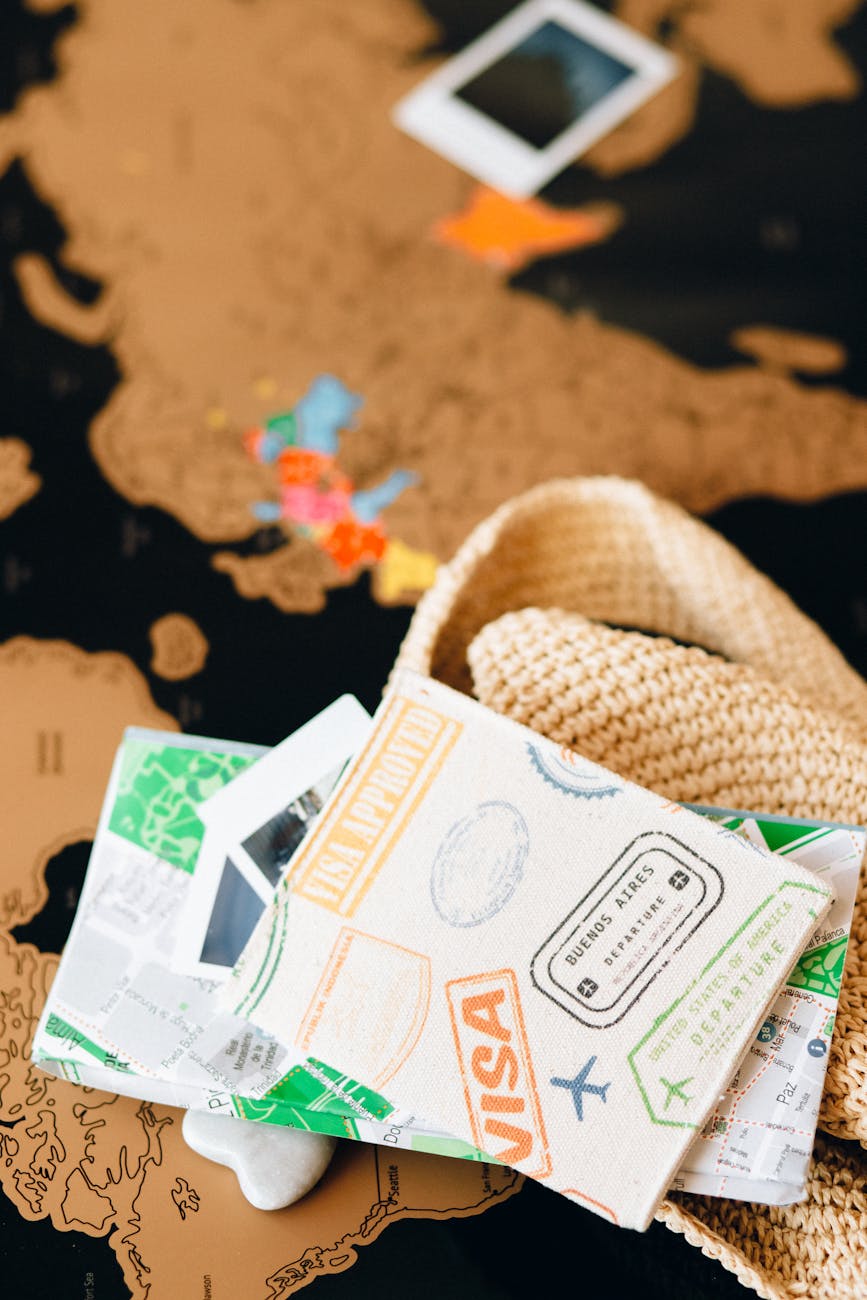 Photo by Nataliya Vaitkevich on Pexels
Tags:
Source:
Image Sources:
- Header image: Photo by Alex Vasey on Unsplash
- Teaser image: Photo by Nataliya Vaitkevich on Pexels