
News
EU Adopts 18th Russia Sanctions Package After Slovakia Lifts Its Objection
United States Air Force aircraft performing an airdrop maneuver in clear sky.
Article content
EU Adopts 18th Russia Sanctions Package After Slovakia Lifts Its Objection
Brussels had a crowded agenda on Friday 18 July 2025. After weeks of wrangling, EU ambassadors signed off on the bloc's 18th package of sanctions against Russia, once Slovakia lifted the objection that had been holding the measures up. On the very same day, and almost unnoticed alongside the sanctions news, the European Commission put forward a proposal to almost triple the planned ETIAS travel-authorisation fee to €20 — a change that will eventually touch millions of visa-free travellers.
This article looks at both decisions as they were announced that day, and explains why the second one matters for anyone planning a future trip to Europe.
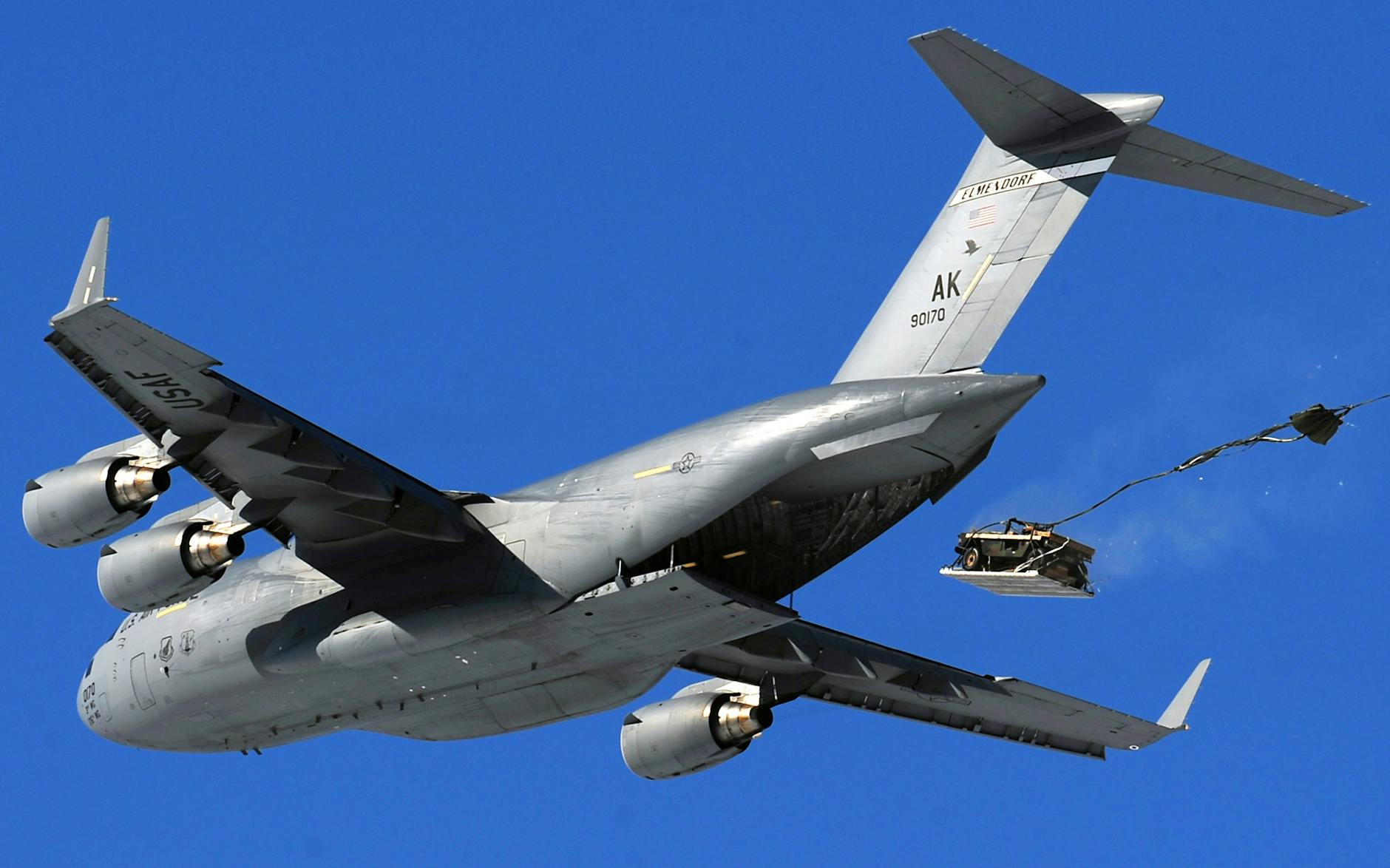 Photo by Pixabay on Pexels
The 18th sanctions package
Slovakia had blocked adoption for several days, with Prime Minister Robert Fico tying his support to separate guarantees on Russian gas imports. After he said he had received those assurances, a hastily convened meeting of ambassadors adopted the measures in the morning.
The bloc's foreign policy chief, Kaja Kallas, called it one of the strongest packages to date. According to officials, it targets:
- around 105 additional "shadow fleet" ships and their enablers
- Russian banks' access to funding, plus Chinese banks linked to sanctions evasion
- a ban on the Nord Stream pipelines and a lower, dynamic oil price cap
- Russia's military-industrial base and exports of technology used in drones
European Commission President Ursula von der Leyen said the EU was "striking at the heart of Russia's war machine," while leaders including France's Emmanuel Macron and Germany's Friedrich Merz welcomed the move. Moscow dismissed the measures, with the Kremlin saying it had adapted to live with Western sanctions.
A parallel move on travel: the €20 ETIAS fee
Tucked into the same day's news was a proposal that has nothing to do with Russia but plenty to do with travel. The Commission proposed that the European Travel Information and Authorisation System (ETIAS) fee should be €20, almost triple the originally planned €7.
The Commission said the adjustment reflects inflation and the additional operational costs of the not-yet-launched scheme, and brings the EU charge into line with comparable programmes. For context, the UK's ETA carries a £16 fee and the United States' ESTA costs about $21. The Commission also confirmed exemptions: applicants under 18 or over 70 will not pay the fee, and neither will certain family members of EU citizens and of non-EU nationals with free-movement rights.
 Photo by Jeffry Surianto on Pexels
What it means for travellers
ETIAS is the pre-travel authorisation that visa-exempt non-EU nationals will need before short stays in the Schengen area. As of this announcement the higher fee was a proposal, still subject to scrutiny by the European Parliament and Council before it becomes final — so the headline number could yet change.
Even at €20, the cost is modest for a single trip, and the authorisation covers multiple short stays for years once issued. If you want to understand how the system will work and when it is due to start, our ETIAS overview sets out the essentials.
Tags:
Source:
Image Sources:
- Header image: Photo by Pixabay on Pexels
- Teaser image: Photo by Jeffry Surianto on Pexels