
News
ETIAS Travel Authorisation Delayed to Late 2026: When You'll Need It and What It Costs
Interior view of European Parliament with multiple national flags and a person observing.
Article content
ETIAS Travel Authorisation Delayed to Late 2026: When You'll Need It and What It Costs
The long-awaited Entry/Exit System (EES) for the EU and Schengen Zone is finally set to begin a phased rollout in October 2025, and with it comes clarity on the timetable for the European Travel Information and Authorisation System (ETIAS). The pre-travel permit has been delayed again and is now expected in the last quarter of 2026.
 Photo by Ali Levlog on Pexels
How EES and ETIAS connect
EES will digitise border crossings, recording the entry and exit of non-EU nationals using biometric data such as fingerprints and facial scans, along with passport and travel-document details. For visa-exempt travellers, its launch is paired with the introduction of ETIAS as part of the EU's wider effort to strengthen border security.
Crucially, ETIAS can only function once EES is fully operational. The EES rollout begins in October 2025 and is expected to be completed by April 2026, which is why the ETIAS launch has slipped to the final quarter of 2026. Even then, it will remain voluntary for a further six months, meaning many travellers may not have to pay until well into 2027.
What ETIAS is and who needs it
Under the new rules, visa-exempt travellers from non-EU countries — including the UK, Australia, the US and Canada — will need to obtain authorisation before short stays in the Schengen Area. The process involves an online application with personal details and security questions, plus a fee. The authorisation is linked to the traveller's passport and is valid for three years or until the passport expires.
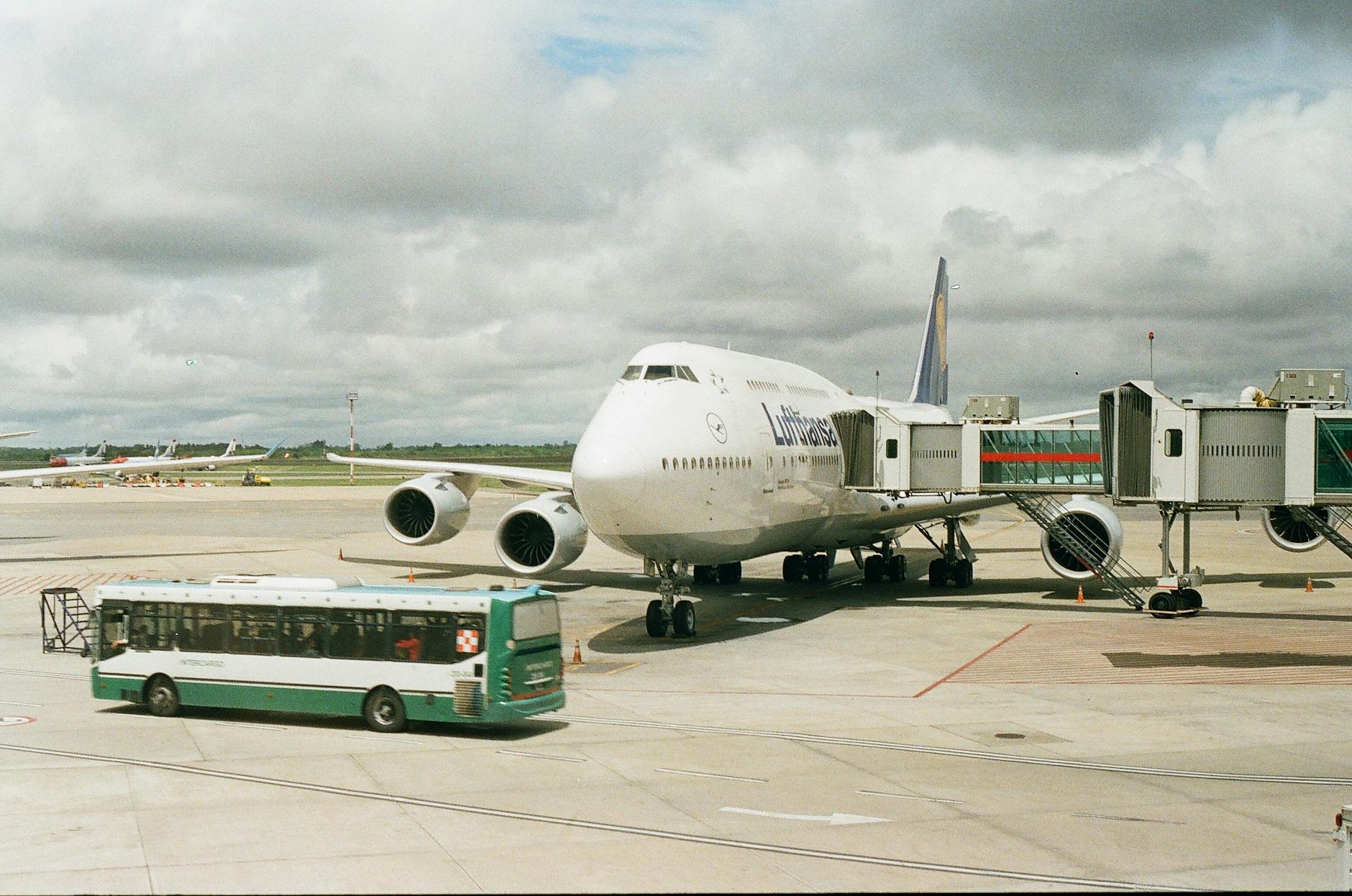 Photo by Matias Mango on Pexels
ETIAS will apply to 30 European countries — all EU states except Ireland, plus Iceland, Norway, Liechtenstein and Switzerland — and to travellers from around 60 visa-exempt nations. There are exceptions: the fee is waived for children under 18 and adults over 70, although they still need to apply.
How much it costs
The ETIAS fee was initially set at €7, but the EU has proposed raising it to €20 — almost tripling the original price. The European Commission says the increase reflects inflation and additional operational costs, and would bring the charge into line with comparable schemes such as the UK's ETA and the US ESTA.
Because the timeline still has moving parts, the best preparation is to understand the requirement now. Reviewing the ETIAS application process in advance will help travellers from visa-exempt countries avoid confusion once the system finally goes live.
Tags:
Source:
Image Sources:
- Header image: Photo by Ali Levlog on Pexels
- Teaser image: Photo by Matias Mango on Pexels