
News
EU Postpones Launch of ETIAS System Until Late 2026
Close-up view of an open passport displaying various travel stamps in an airport setting.
Article content
EU Postpones Launch of ETIAS System Until Late 2026
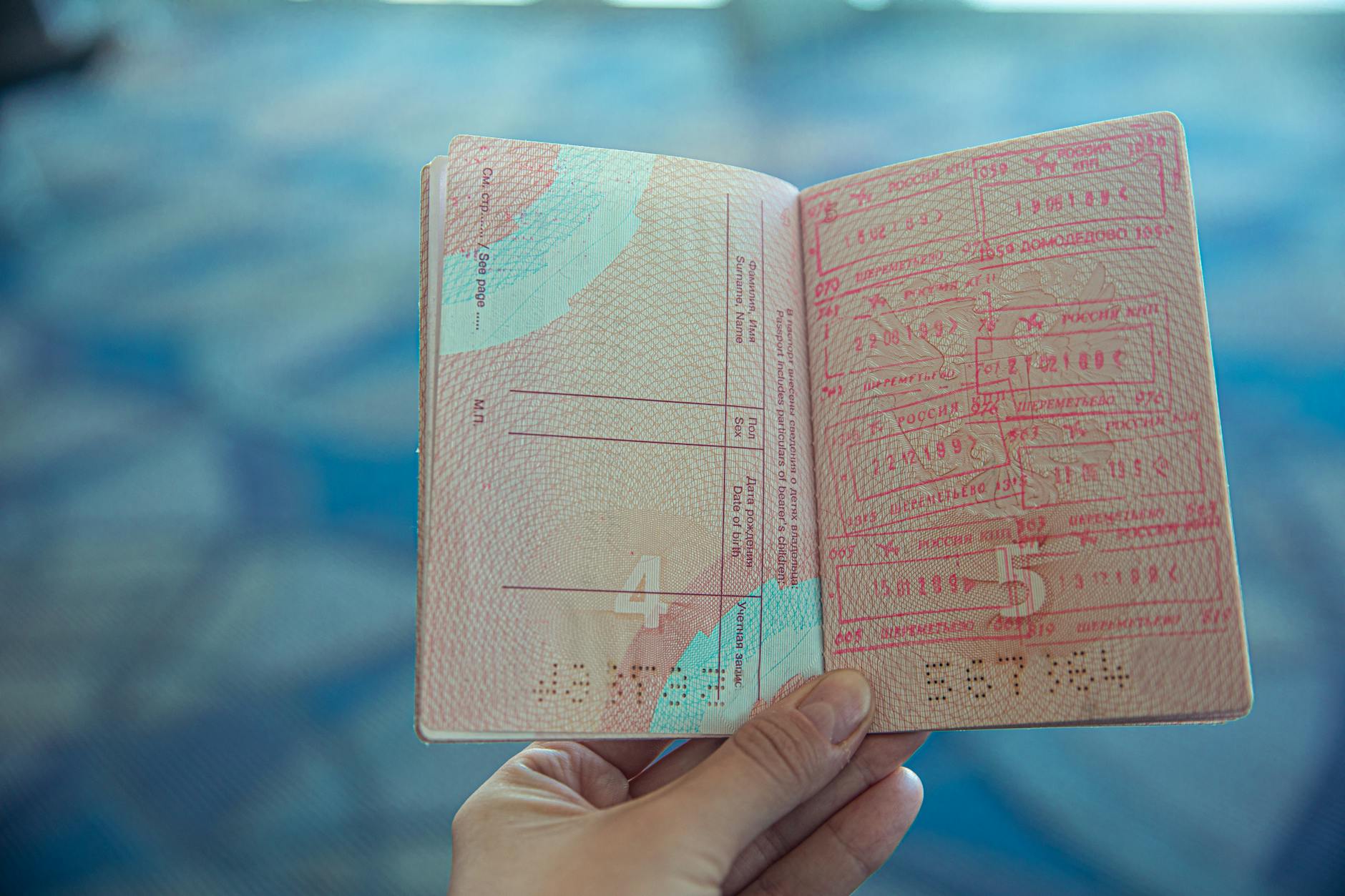 Photo by Ekaterina Belinskaya on Pexels
The European Union has once again delayed the introduction of its European Travel Information and Authorisation System (ETIAS). The visa waiver, intended for travellers from visa-exempt 'third countries' making short stays in the Schengen Area, is now expected to begin in the last quarter of 2026.
A familiar pattern of delays
ETIAS was originally meant to launch in early 2022, but it has slipped repeatedly. The most recent target had been May 2025 before being pushed back again. As before, the EU says a specific start date will be confirmed several months ahead of launch, so the timeline could still move.
Tied to the Entry/Exit System
Part of the reason is that ETIAS depends on another new system going live first. The EU has stated that ETIAS is expected to become operational about six months after the Entry/Exit System (EES), the automated process that records the biometric data of non-EU travellers each time they enter and exit the Schengen area.
EES has had its own troubled timeline. It was due to begin in November 2024 before being postponed, with reports at the time citing readiness issues in Germany, France and the Netherlands. The EU has more recently pointed to an October 2025 start for EES, which in turn sets the clock for ETIAS.
 Photo by Alex Azabache on Pexels
What it means for travellers
For now, nothing changes at the border: visa-exempt visitors can continue to travel to Europe without an ETIAS until the system is live. When it does take effect, travellers will pay a one-off fee for the authorisation, which will be valid for three years or until the passport expires, and will allow short stays of up to 90 days in any 180-day period.
The practical takeaway is to keep an eye on official announcements and not to act on unofficial 'apply now' websites. If you want a refresher on the system itself, our overview of how ETIAS works walks through the essentials.
Tags:
Source:
Image Sources:
- Header image: Photo by Ekaterina Belinskaya on Pexels
- Teaser image: Photo by Alex Azabache on Pexels