
News
Upcoming Changes for Travel to Europe: What EES and ETIAS Mean in 2026
Traveler holding a boarding pass with a plane visible through the window at Keflavík Airport.
Article content
Upcoming Changes for Travel to Europe: What EES and ETIAS Mean in 2026
Travel to Europe is being reshaped by two separate but related systems. The Entry/Exit System (EES) changes what happens when you cross the border, while the European Travel Information and Authorisation System (ETIAS) will add a pre-travel step you complete before you leave home. EES first launched on 12 October 2025 and became fully operational on 10 April 2026, although implementation at individual borders may still vary. ETIAS is expected towards the end of 2026, with no confirmed date yet.
Both changes apply to so-called third-country nationals — people who are not citizens of the EU or the wider Schengen area — travelling for short stays. A short stay means visits, holidays or business trips of up to 90 days within any 180-day period.
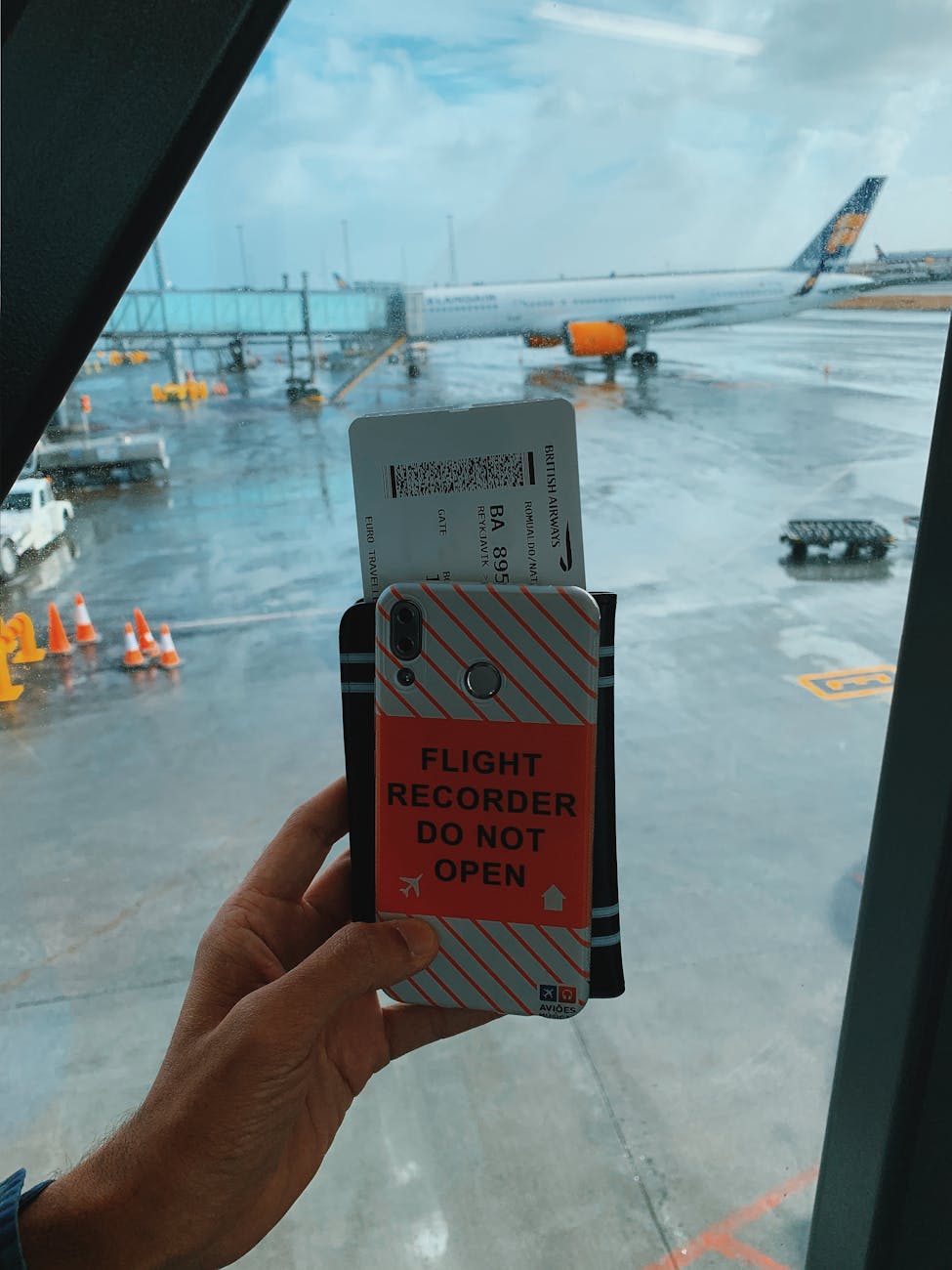 Photo by Natã Romualdo on Pexels
How the Entry/Exit System works
EES is an electronic system that replaces the manual stamping of passports. Each time you arrive in or leave a participating country, your crossing is registered digitally, which is how the authorities track the 90-in-180-day limit. On your first registration you will need to provide your passport, have a facial image captured and give fingerprint scans.
It applies to most travellers from outside the EU and Schengen area, including British passport holders. Irish passport holders are exempt, and British nationals with EU residency are also exempt. People of all ages go through the checks: children under 12 do not give fingerprints, but they still have a facial scan taken.
Because registration takes longer than a passport stamp, travellers should allow extra time at the border. Once you have fully registered, you will not need the full check on every trip, provided you travel within three years and your passport has not changed — although you may still have to use the same queue to record your entry or exit.
ETIAS and the new travel authorisation
ETIAS is a travel authorisation, similar in concept to the United States' ESTA or the UK's ETA, that visa-exempt visitors will need to obtain before travelling once the system goes live. It is not yet operational, so you cannot apply for one yet, and any website claiming to take applications now is false. When it launches, the only official site will be the EU's own portal.
An ETIAS will cost €20 and remains valid for three years or until your passport expires, whichever comes first. It is free for travellers under 18 and aged 70 and over, and certain other groups may be exempt. Applications are made individually — a parent applying for a child submits a separate application — and the details on the authorisation must match the passport exactly, or it will not be valid.
 Photo by Lara Jameson on Pexels
Practical advice and avoiding scams
At the border you may be asked routine questions covered by the Schengen Border Code, such as the address where you are staying — nothing new for UK travellers, but EES makes it more likely these are asked electronically, so keep your travel documents to hand. If you depart through the Port of Dover or by international train from London St Pancras or Folkestone, EES checks happen in the UK before you leave, because of the dual British and French border there.
Be cautious of fake services: dozens of unofficial websites already advertise ETIAS even though the system is not live, risking overcharging and data theft. When the time comes, you can review the ETIAS application process so the new requirement does not catch you out, and always use the official EU channels to apply.
Tags:
Source:
Image Sources:
- Header image: Photo by Natã Romualdo on Pexels
- Teaser image: Photo by Lara Jameson on Pexels