
News
Will EES Checks Be Suspended This Summer? A Guide for UK Travellers
Discover the serene beauty of Lac du Grand St Bernard at the Great Saint Bernard Pass in Switzerland.
Article content
Will EES Checks Be Suspended This Summer? A Guide for UK Travellers
The next time you travel to Europe, things at the border will probably work differently. The European Union has introduced new biometric border checks called the Entry/Exit System (EES), and in the early weeks the rollout led to long queues at several airports and a good deal of confusion for British travellers. The system was officially rolled out on 10 April 2026, following a progressive launch that began in October 2025, and the disruption has prompted a pressing question for anyone with a summer holiday booked: can these checks be paused, and what should you do to prepare?
 Photo by Mikhail Nilov on Pexels
What changed at the border
The new digital EES requires all non-EU passport holders, including British citizens since Brexit, to be fingerprinted and photographed at border control. Travellers of all ages are subject to the checks once the system is fully operational, although children under 12 do not have to give fingerprints. The process usually takes place at dedicated automated kiosks, or with a border officer on arrival overseas. For Eurostar, Eurotunnel and at the Port of Dover, the checks happen on the UK side before you leave.
Visitors are also asked questions about the length of their stay and whether they have enough money to fund the trip. In theory EES should have replaced passport stamping from 10 April, but that step is being phased out more slowly. Member states are allowed to pause real-time checks and instead upload passport data retroactively, and in those cases passports are still stamped. As a rule of thumb, if you are travelling soon and are offered a passport stamp, you should accept it, as it is further documentation of your movements in and out of the Schengen zone.
Can countries or airports pause the checks?
For now, yes. Airports and ports in EU member states can suspend checks for up to 90 days, with a further 60-day extension possible. Greece had announced it would suspend EES checks for British travellers over the summer to ease congestion, although the Greek Foreign Ministry later clarified that it would pause checks only at times when queues become unmanageable. Several airports, including Lisbon and Milan, have already suspended checks for the same reason during busy periods.
In practice, this means you may not need to complete EES checks on your next trip, as more member states could follow suit. Even so, the sensible approach is to prepare as if you will and to anticipate delays.
How to prepare for queues
At airports with large numbers of UK arrivals and departures, it is wise to arrive as bag drop opens, usually around three hours before departure, so you have enough time to clear exit checks. Long queues have been reported at many Spanish airports, as well as Lisbon, Milan and Krakow. If you are not checking in a bag, arriving even earlier and clearing security sooner can help you join the EES queues ahead of time.
If you find yourself stuck in a queue and at risk of missing your flight, speak to a member of staff. In some situations, airport staff may use their discretion to move you closer to the front. You do not need to register anything in advance for EES, but you should check your passport validity and make sure you are within the 90 days in every 180 that the Schengen rules allow. If you want to check your allowance, our ETIAS eligibility guide explains how the limit works.
What about e-Gates and the Travel to Europe app?
UK travellers cannot yet rely on e-Gates everywhere, but some airports, including locations in Germany and Bulgaria, plus Lisbon and Faro in Portugal, Prague and Rome Fiumicino, are already allowing British passengers through them. Even when you use an e-Gate, you may still be offered a passport stamp, and it is worth accepting.
The EU has also created an app called Travel to Europe, which lets travellers pre-register passport details, upload a photo and answer the kiosk questions up to 72 hours before arriving at the border. It is not yet available to download in the UK and is currently being piloted in Sweden and Portugal.
ETIAS is the next change
After EES comes ETIAS, the European Travel Information and Authorisation System, a visa-waiver scheme that British travellers will need to pay for before visiting Europe. It is due to be phased in from late 2026, currently forecast for October, but it will not be mandatory for UK passport holders until early 2027. When it is fully implemented, holidaymakers will apply online and pay a fee of around €20 before travelling, with the authorisation expected to be valid for three years or until the passport expires.
ETIAS has been postponed several times, and there will be a transition period followed by a grace period before it becomes compulsory. When it does launch, UK travellers will need it for the Schengen countries and associated states, from Austria and France to Spain and Switzerland. For a fuller picture of how the scheme will work, see our ETIAS overview.
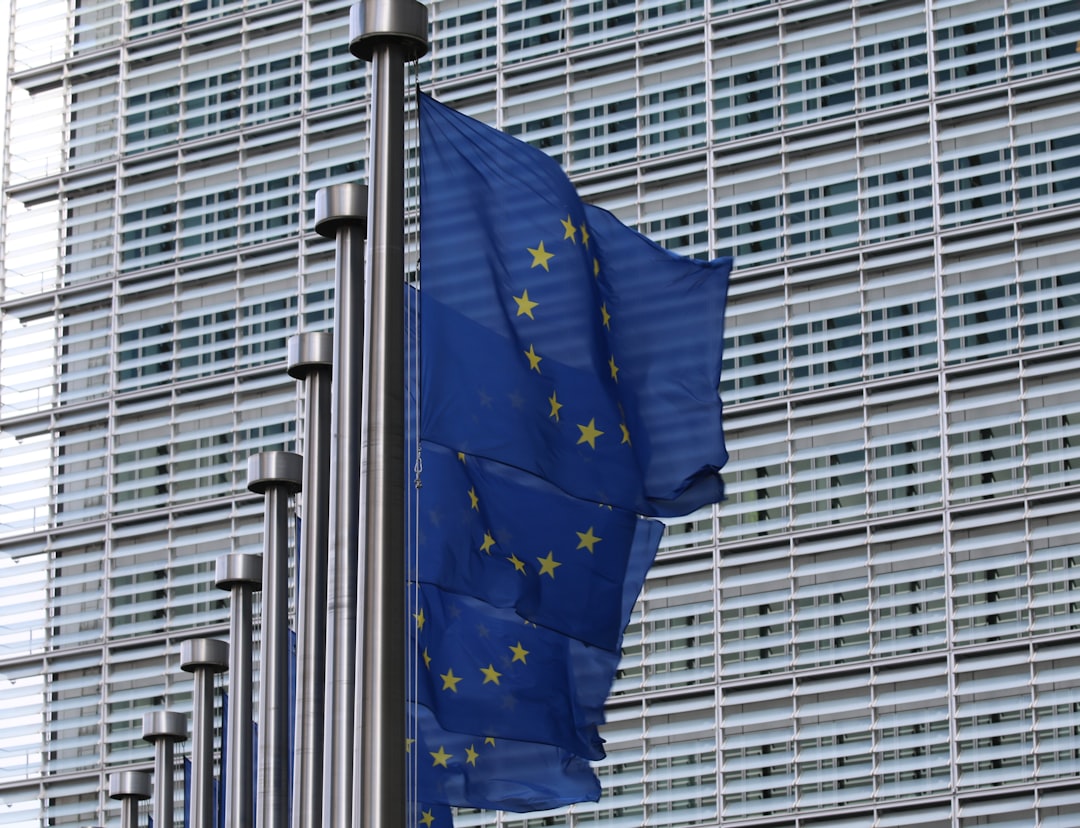 Photo by Guillaume Périgois on Unsplash
The bottom line
EES is live, ETIAS is coming, and the border experience will remain uneven for a while as ports and airports adapt. You do not need to do anything in advance for EES beyond checking your passport and your 90/180 allowance, but you should build in extra time, accept a passport stamp whenever it is offered, and keep an eye on whether your destination is pausing checks. A little preparation will go a long way this summer.
Tags:
Source:
Image Sources:
- Header image: Photo by Charl Durand on Pexels
- Teaser image: Photo by Jonathan Borba on Pexels