
News
Britons Will Not Use EU E-Gates Until October at the Earliest
Back view of passengers keeping social distance while boarding on plane during coronavirus pandemic
Article content
Britons Will Not Use EU E-Gates Until October at the Earliest
A high-profile e-gates agreement unveiled at the EU-UK summit in London on 19 May 2025 was meant to spare British holidaymakers the long queues at European passport control. But within a day it emerged that, despite the headlines, UK travellers would have to endure passport-stamping queues until at least October 2025 — and possibly well into 2026.
This article looks at what the deal actually said, why the timeline is longer than it first appeared, and how it ties into the EU's incoming biometric border systems.
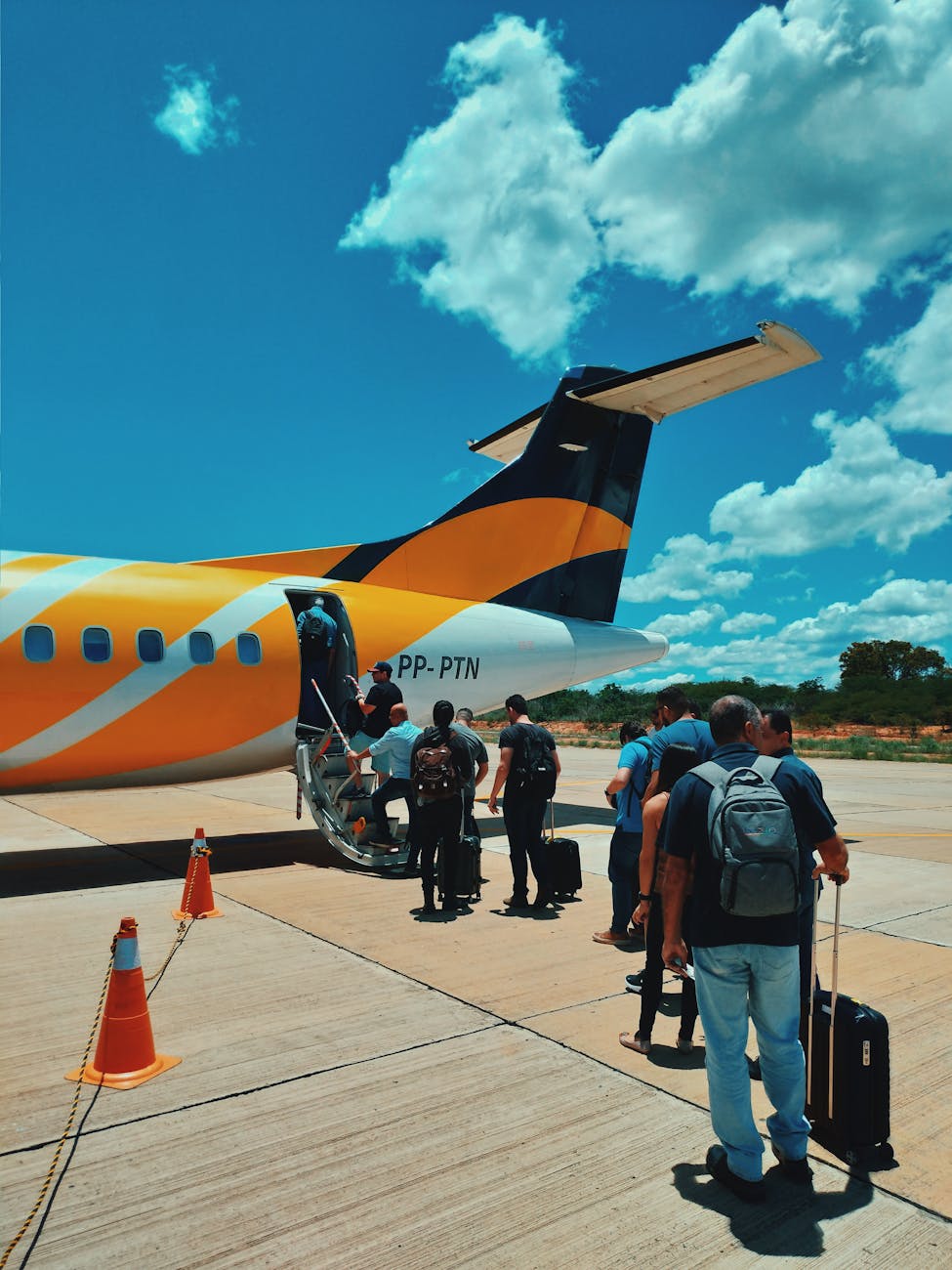 Photo by Natã Romualdo on Pexels
What the agreement actually says
According to the detailed text, both sides agreed there would be "no legal barriers" to e-gate use for British nationals travelling to and from EU member states after the introduction of the EU Entry/Exit System (EES). The catch is that EES was not due to start until October 2025, and even then would be phased in over six months until April 2026 — meaning continued queueing in the meantime.
Prime Minister Keir Starmer told MPs the agreement was part of a "hat-trick" of deals and would help British holidaymakers "use e-gates when they travel to Europe, ending those huge queues." Critics were more cautious: opposition leader Kemi Badenoch argued the deal did not guarantee e-gate access anywhere, since each country still has to agree, and some airports already allow it.
Why the timeline is complicated
Travel body Abta said it was clear the deal "won't impact this summer" and would depend on confirmation from individual member states about when passport "wet stamping" would end. Abta described three possible scenarios for how EU countries might let UK citizens use e-gates: no access at all; occasional access at an officer's discretion; or full access. In the middle scenario, passports would still need stamping to track length of stay — at least until EES is in place.
Even with stamping, officials argued, e-gate access would be a significant improvement, separating UK travellers from other non-EU nationals whose visas need checking — something that can add hours at busy hubs such as Madrid, Paris and Rome. Spain confirmed that British travellers would be able to use electronic gates at its airports once the system is operational, provided they hold a valid passport.
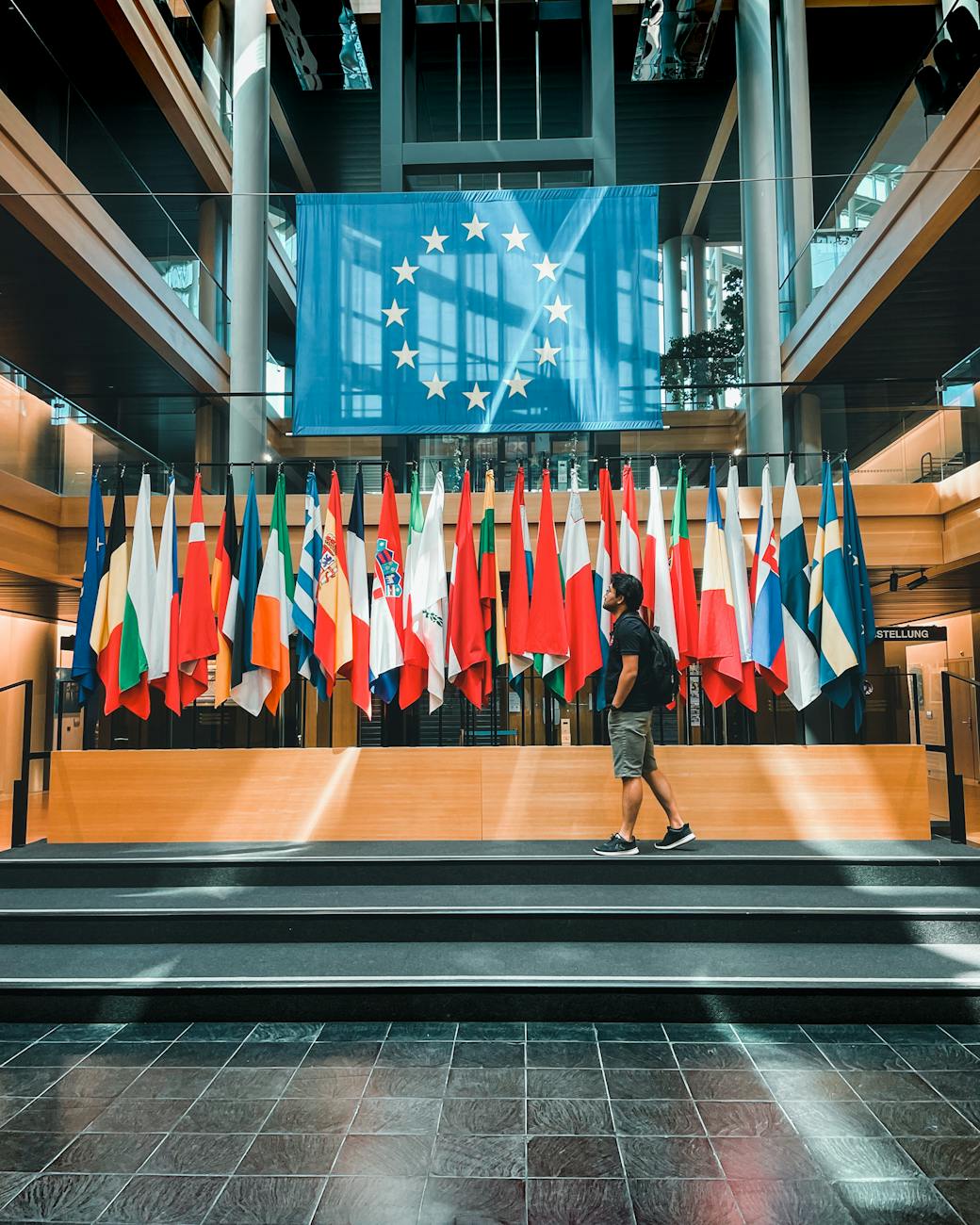 Photo by Ali Levlog on Pexels
How it fits with EES and ETIAS
Under EES, EU member states will require non-EU visitors to provide biometric data — fingerprints and a facial image — on entry to the Schengen area, replacing manual passport stamps. After registration, a clear digital file usually means travellers can pass without seeing an officer. The system had already been delayed three times over database and readiness concerns.
Ultimately, all EU travel is set to be digitally controlled, with the European Travel Information and Authorisation System (ETIAS) — an electronic visa waiver — pencilled in for the last quarter of 2026. For travellers focused on UK-specific entry rules, our United Kingdom travel page sets out the current requirements.
Tags:
Source:
Image Sources:
- Header image: Photo by Natã Romualdo on Pexels
- Teaser image: Photo by Ali Levlog on Pexels