
News
ETIAS Pushed to 2025 as the EU Ties the Travel Permit to EES Readiness
Jet2holidays airplane on the runway ready for takeoff at a scenic airport.
Article content
ETIAS Pushed to 2025 as the EU Ties the Travel Permit to EES Readiness
British visitors to the European Union will not need an online "eurovisa" until 2025 at the earliest, after Brussels confirmed a fresh timeline for the digital border systems that the permit depends on. The European Travel Information and Authorisation System (ETIAS), the pre-travel permit that visa-free nationals will eventually have to obtain, is running years behind schedule.
The reason for the latest slip lies one step upstream. ETIAS cannot operate until the EU's new Entry/Exit System (EES) is functioning, and that database is itself overdue. By linking the launch of the permit firmly to the readiness of the border technology beneath it, the EU has effectively pushed the whole project back again.
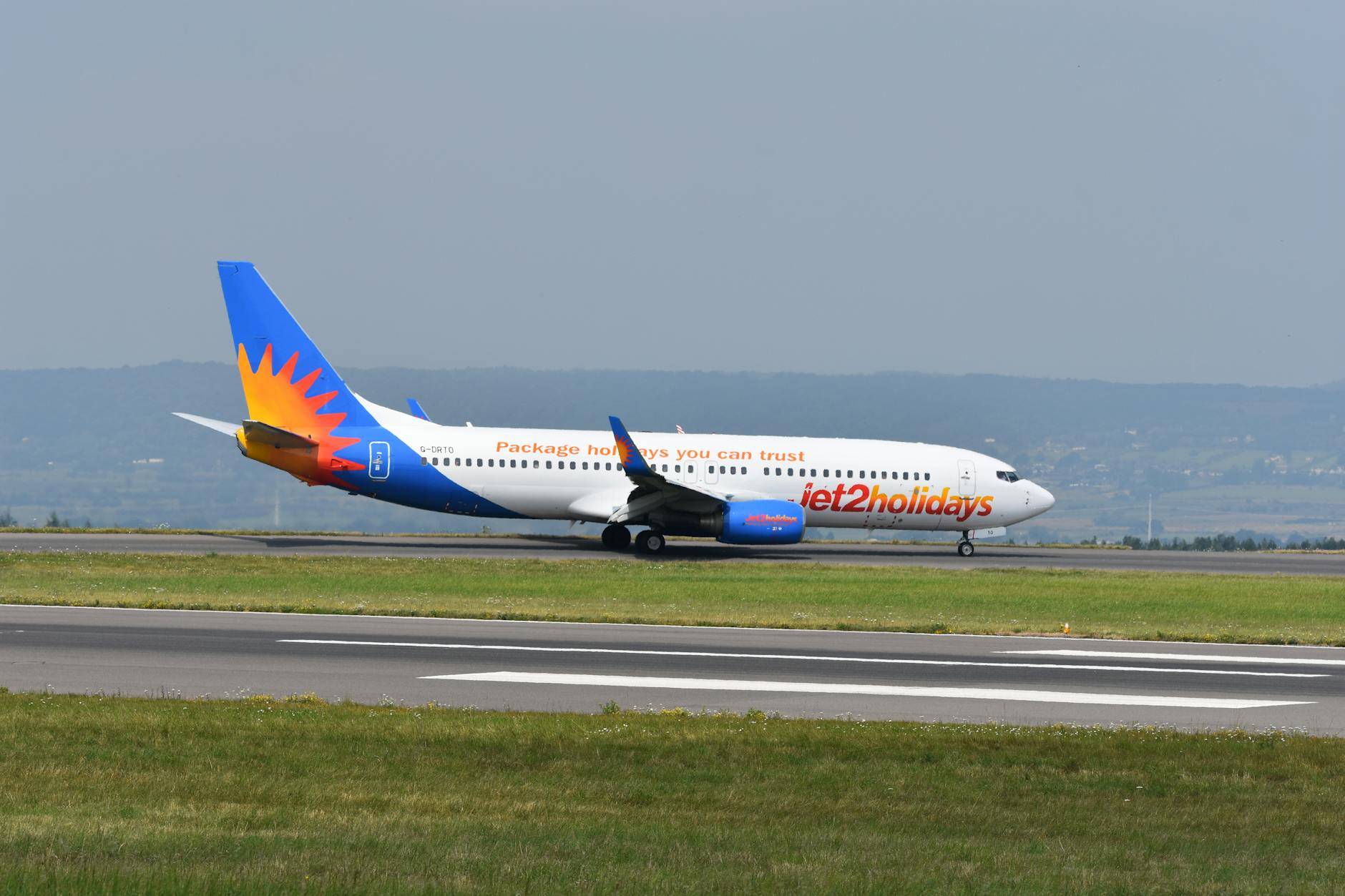 Photo by Wayne Jackson on Pexels
A new timeline for the Entry/Exit System
The European Council's Justice and Home Affairs Council, meeting in Brussels, has endorsed a new timeline for the rollout of the Entry/Exit System, the EU database that will replace the manual stamping of passports with electronic registration. The Council said the new roadmap foresees the Entry/Exit System being ready to enter operation in autumn 2024 — a system that was originally expected to take effect back in 2021.
Once it is in operation, the EES will require British travellers to have their fingerprints and a facial biometric taken on entry. That extra step is likely to extend processing times significantly: the Slovenian government has warned that the new process takes up to four times longer than a conventional passport check.
There is also lingering uncertainty about how the necessary biometrics will be captured at the hard EU frontiers located in the UK, such as the Port of Dover and the LeShuttle Channel Tunnel terminal at Folkestone, where passengers are checked by French officers before they leave Britain.
What the delay means for ETIAS
Because ETIAS depends on the Entry/Exit System working first, its own start date has slipped in step. The Council said that "Etias will be ready to enter into operation in spring 2025." Even then, travellers are unlikely to feel the change straight away: it is widely expected that there will be a "soft launch" of ETIAS, with the permit becoming mandatory only six months later. In practice, that means some British travellers may not need an ETIAS for another two years.
When it does arrive, ETIAS will cover the Schengen Area — which at present includes almost all EU nations, though not Bulgaria, Cyprus, Ireland or Romania — plus Iceland, Norway, Switzerland and Liechtenstein. It will apply to nationals of dozens of visa-exempt countries, a list that ranges from Tonga and Venezuela to the United Kingdom. The fee has been set at €7 (£6) for a permit valid for up to three years.
 Photo by Christian Reinke on Pexels
Who will and will not need a permit
Crucially, an ETIAS will not be necessary for British citizens travelling to Ireland, thanks to the long-standing Common Travel Area between the two countries. That carve-out means trips across the Irish Sea will stay free of the new paperwork even once the rest of the scheme is live.
For everyone else, the message is to plan ahead but not to panic: the permit is still some way off, and the details may yet shift again as the underlying systems are bedded in. Travellers who want to know whether the future requirement will apply to them can check the latest ETIAS eligibility guidance before booking a trip to the bloc.
Tags:
Source:
Image Sources:
- Header image: Photo by Wayne Jackson on Pexels
- Teaser image: Photo by Christian Reinke on Pexels