
News
Long Queues and Scams: Will the EU's New Entry System Cause Border Chaos?
A vibrant cityscape featuring a busy airport and harbor with bright lights at night.
Article content
Long Queues and Scams: Will the EU's New Entry System Cause Border Chaos?
Entering the European Union is set to become more complicated for non-EU nationals. The new Entry/Exit System (EES), expected at the time in October 2024, forms part of a wider shift that also includes the European Travel Information and Authorisation System (ETIAS), due to follow. Together they have been dogged by setbacks — and by fears over lengthy queues and fraudulent websites.
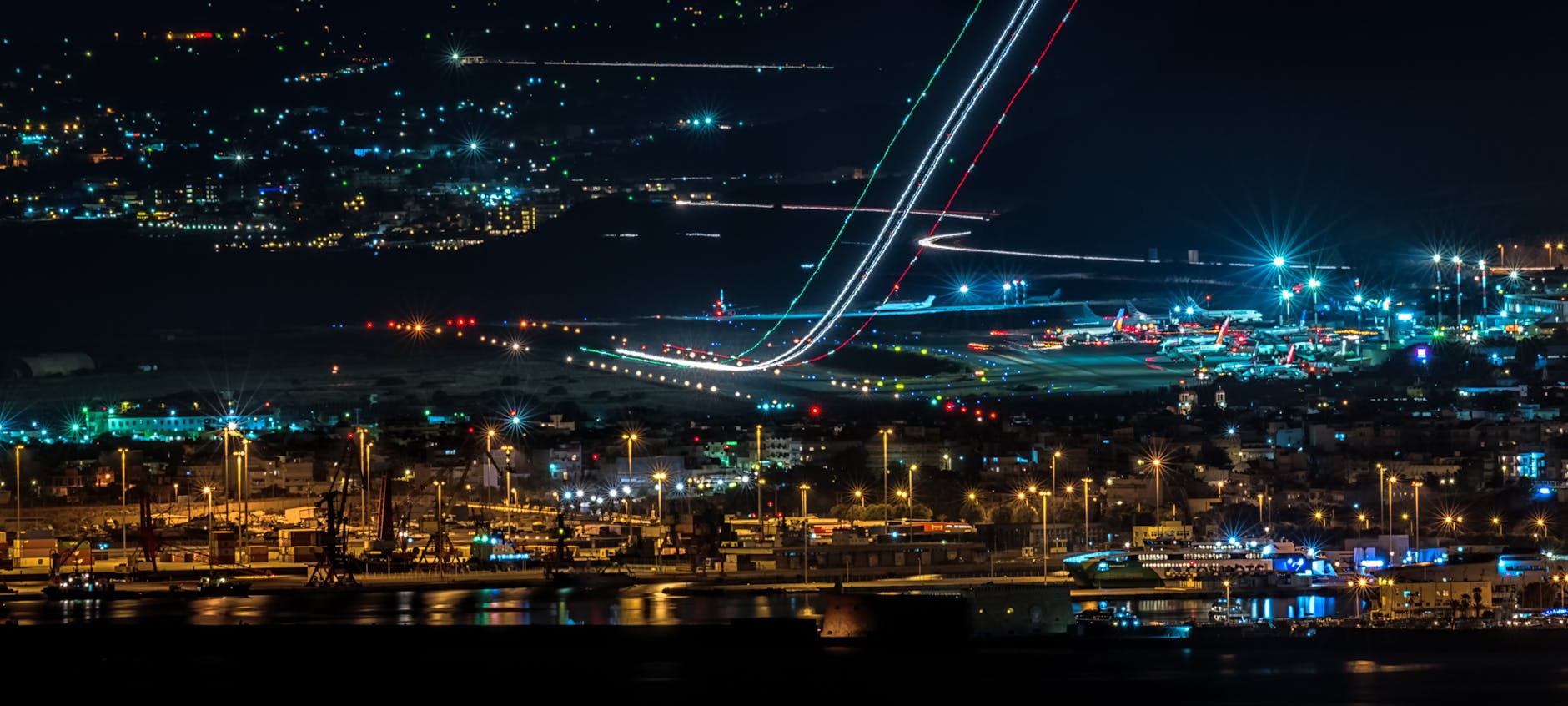 Photo by GEORGE DESIPRIS on Pexels
What the EES and ETIAS do
The EES will record additional information about non-EU travellers. Beyond passport details, automated barriers will capture and store biometric data, including fingerprints and facial images, and passport stamps will be scrapped in favour of automatic registration of entries and exits. That makes it far easier to flag anyone who has overstayed the 90 days permitted in any 180-day period — a limit that applies to UK nationals post-Brexit.
The wider ETIAS, expected to follow, will require visa-exempt non-EU nationals aged 18 to 70 to pay €7 and complete an online application before travelling to most European countries. Once approved, it lasts three years; the Republic of Ireland is exempt as part of the Common Travel Area. Non-EU nationals with official residency, holding a biometric card such as France's carte de séjour or Italy's carta di soggiorno, may be exempt from both the EES and the 90-day limit.
The queue question
Concerns about delays have been loudest in the UK. ABTA reported "widespread concern," and its director of public affairs noted that UK nationals would spend "several minutes" longer on first arrival providing biometric data. The problem is expected to be worst at space-constrained ports such as Dover. The UK's European Scrutiny Committee even warned that travellers could face waits of up to 14 hours in worst-case scenarios; its chair, Sir William Cash, said the evidence painted "an alarming picture."
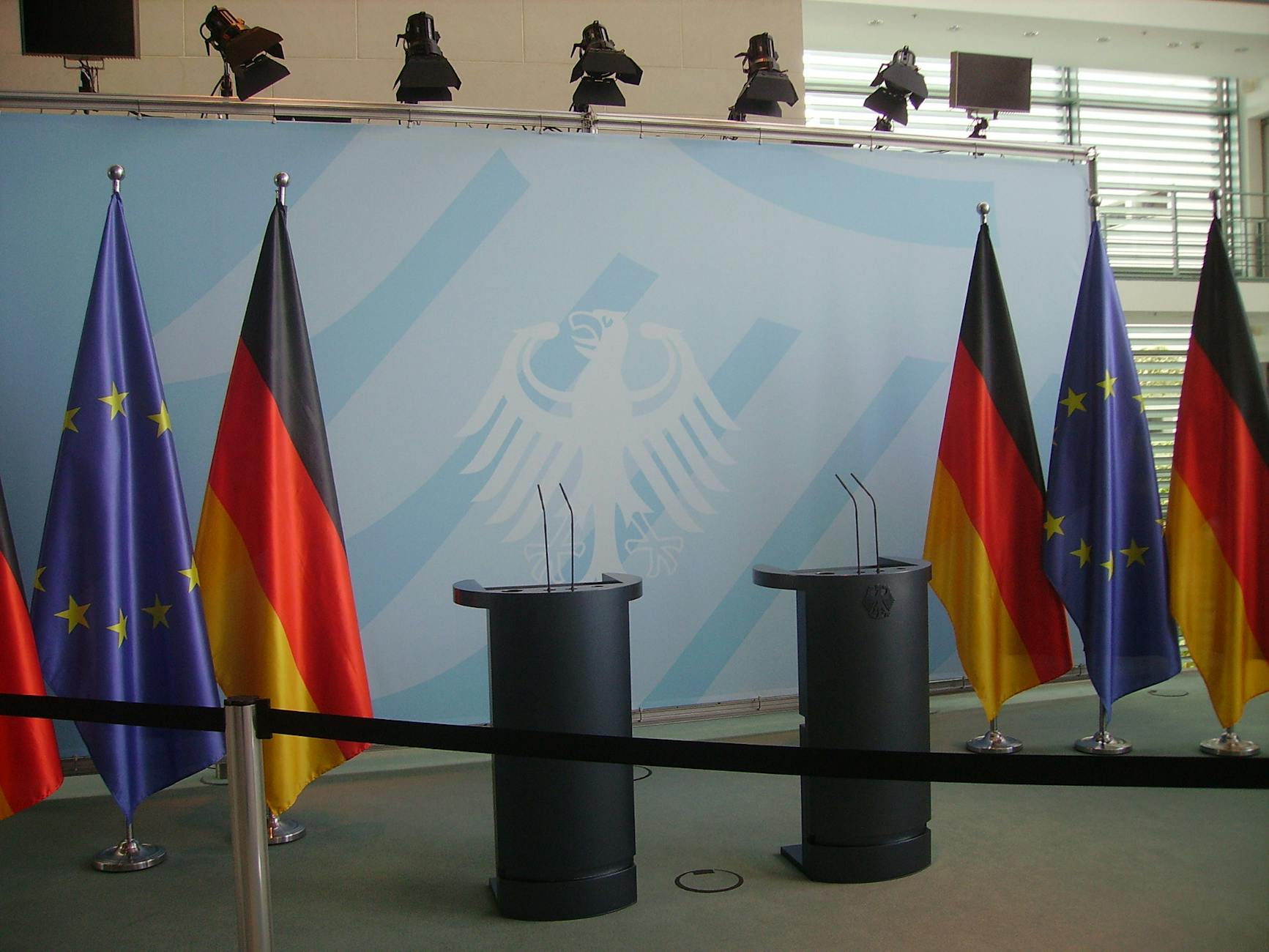 Photo by Wikimedia Commons on Pexels
Preparations vary by country. France planned self-service kiosks at airports and tablet devices at land and sea borders; Germany and Austria confirmed similar airport systems; Italy said it would add around 600 self-service kiosks; and Norway opted to trial automated camera solutions. Even so, several countries warned that processing times could roughly double.
How to avoid ETIAS scams
EU authorities have warned travellers about fraudulent websites offering ETIAS authorisations. Frontex, the agency responsible for ETIAS, said dozens of unofficial sites were already operating, some posing as copycats or charging extra "administration" fees. The advice is simple: only use the official channel when the system goes live, and treat any site demanding payment beforehand with caution. For answers to common questions about the new rules, see our ETIAS FAQs.
Tags:
Source:
Image Sources:
- Header image: Photo by GEORGE DESIPRIS on Pexels
- Teaser image: Photo by Wikimedia Commons on Pexels