
News
Gibraltar and the EU: What the New 'Fluid Border' Deal Means for Travellers
View of a control tower and airplane at Hamburg Airport on a sunny day.
Article content
Gibraltar and the EU: What the New 'Fluid Border' Deal Means for Travellers
The United Kingdom and the European Union have reached an agreement on the border between Gibraltar and Spain, and the Foreign Secretary has been keen to dispel what he called "fake news" about its scope. Crucially, he told MPs, Gibraltar will not be joining the Schengen free-travel area, something he said was "never on the table."
Instead, the deal is built around a so-called "fluid border" designed to keep people and goods moving while preserving Gibraltar's status. For the roughly 15,000 people who cross the frontier every day, the practical difference could be significant.
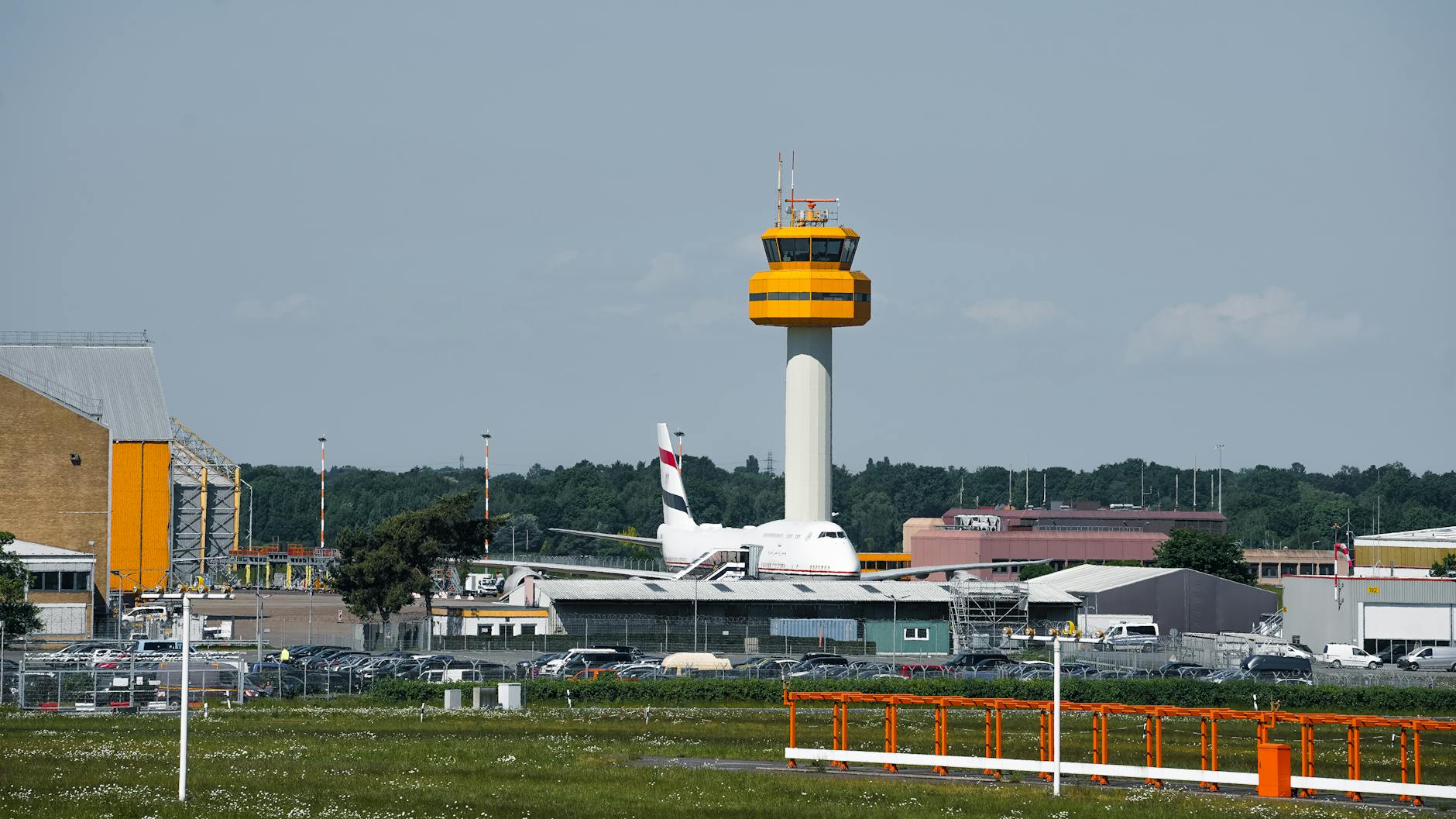 Photo by Wolfgang Weiser on Pexels
A 'fluid border', not Schengen membership
Under the agreement, travellers will be able to cross the land border between Gibraltar and Spain without routine checks, easing daily movement for residents on both sides. The government stressed that immigration, policing and justice in Gibraltar would remain the responsibility of Gibraltar's own authorities, and that a sovereignty clause was written into the treaty.
Officials noted that without a deal, a hard border could have been introduced under the EU's incoming entry and exit controls, checking every passport individually and causing delays for the thousands who commute across each day.
Dual checks at the airport
For those arriving by air into Gibraltar from the UK, the arrangement introduces a dual border-control check. Travellers would pass one check by Gibraltarian officials and another carried out by Spanish officers on behalf of the EU, a model the Foreign Secretary compared to French police operating at London's St Pancras station.
Supporters argue the arrangement could allow airlines to add routes to Gibraltar from countries beyond the UK, potentially boosting tourism and jobs, while the territory's military facilities, including the RAF base, would continue to operate as before.
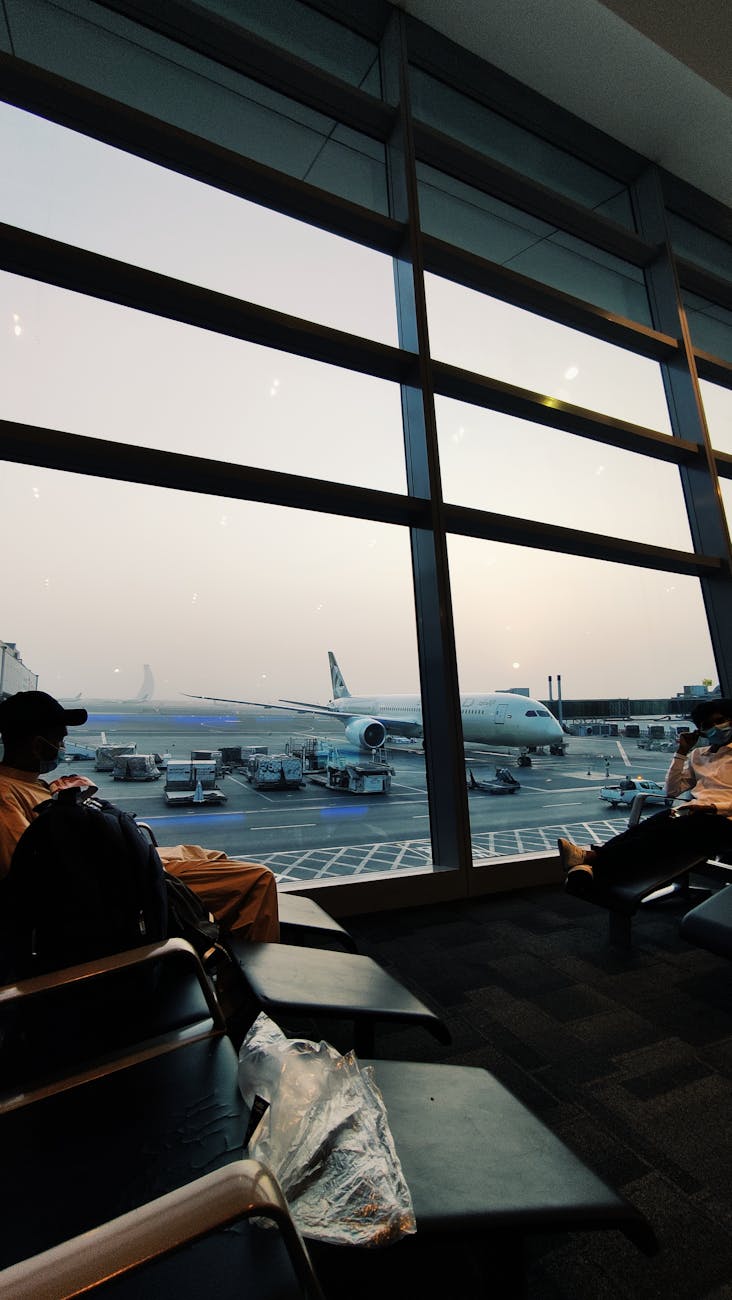 Photo by Konstantin Mishchenko on Pexels
Why the deal matters in a changing border landscape
The Gibraltar agreement comes as the EU prepares to roll out new external border procedures, including the Entry/Exit System and, later, the ETIAS travel authorisation. These changes are reshaping how non-EU travellers move across the bloc's frontiers, which is why a tailored solution for Gibraltar was seen as so important.
If you are planning travel to Europe more widely, it helps to understand how these systems fit together. Our overview of how ETIAS works explains what visa-exempt travellers to the Schengen area will need, and how it differs from arrangements like the one agreed for Gibraltar.
Tags:
Source:
Image Sources:
- Header image: Photo by Wolfgang Weiser on Pexels
- Teaser image: Photo by Konstantin Mishchenko on Pexels