
News
Why a Second Passport Has Become a Post-Brexit Priority for Young Britons
Woman in gray jacket checking wristwatch at station with luggage, representing punctual travel.
Article content
Why a Second Passport Has Become a Post-Brexit Priority for Young Britons
For decades, many UK-born people who were entitled to a second nationality simply never bothered with the paperwork. It cost money and time, and without a clear reason, why bother? Brexit changed that calculation overnight. When British citizens lost their freedom of movement, the right to travel, live and work across 27 EU countries with almost the same rights as locals, a second passport suddenly looked less like a curiosity and more like a key.
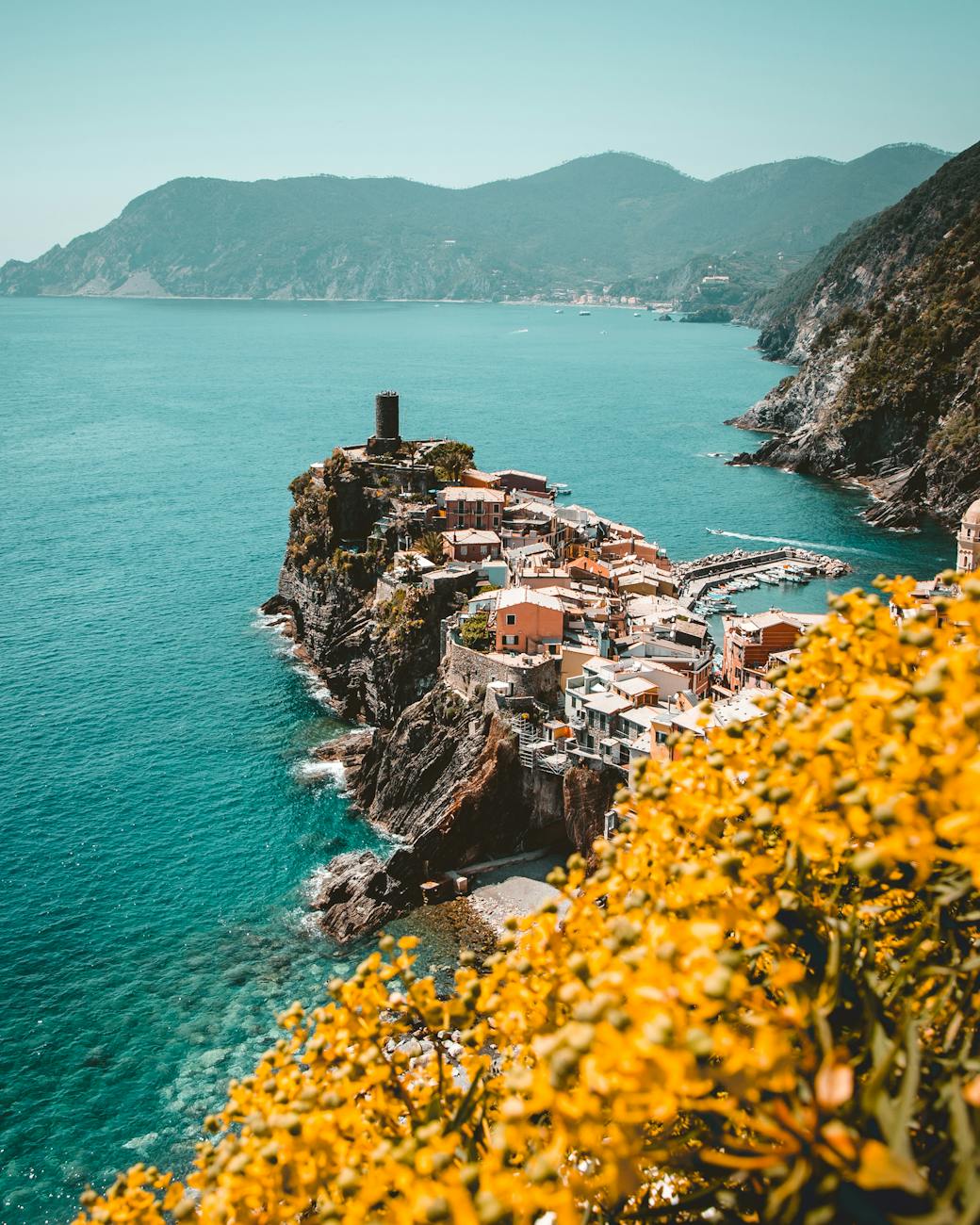 Photo by Josh Hild on Pexels
Why Britons are claiming second passports
The scale of the shift is striking. According to the Office for National Statistics, the 2021 Census found that around 1.26 million people living in Britain, about 2.1 per cent of the population, now hold passports for both the UK and another country. The same census recorded a fivefold increase in UK-born people holding both British and EU passports. The Global Citizenship Observatory estimates that Brexit alone prompted some 90,000 Britons to acquire a second European passport, a figure that does not even include those securing first-time Irish passports, thought to number anywhere between 120,000 and half a million.
The motivations are practical and emotional. A second EU passport restores the ability to skip long non-EU immigration queues, to settle abroad, and to stay longer than the 90-days-in-180 limit that now applies to British travellers. For some, the process also rekindles a sense of identity and belonging that had lain dormant for a generation.
Citizenship by ancestry: how it works
Technically, most people who gain citizenship through ancestry are not really applying for it at all. Rather than naturalising, they are providing extensive documentation to prove that they are already citizens and would like to make it official. The rules vary widely by country and usually extend only one or two generations back, often with narrow conditions.
For UK-born people, the most common European ancestry is Irish, well ahead of French, German, Polish and Italian. Northern Ireland-born Britons are entitled to Irish citizenship under the Good Friday Agreement. Others must trace a parent, grandparent or sometimes great-grandparent and gather birth, marriage and naturalisation records, occasionally from archives damaged by war. The paperwork can be slow, but the main obstacle is usually time rather than impossibility.
Restitution routes and what to check
Some countries offer dedicated routes as an act of restitution. Germany, along with Austria, Spain and Portugal, has special provisions for the descendants of people who lost their citizenship through political, racial or religious persecution. In Germany, this covers those deprived of nationality during the 1933 to 1945 Nazi regime, and their descendants, though applicants typically need original documents rather than copies.
Before starting, it is worth confirming your eligibility, the documents required and the likely processing time, which can stretch to years for some nationalities. Even those who do not ultimately qualify often find the family research rewarding. And while a second passport eases travel, the new EU systems still matter: the European Travel Information and Authorisation System (ETIAS) is expected from late 2026 and will require British passport holders to register and pay €7 for a permit renewable every three years. To check exactly who the new rules apply to, read our guide to who needs ETIAS.
Tags:
Source:
Image Sources:
- Header image: Photo by Gustavo Fring on Pexels
- Teaser image: Photo by Dominika Gregušová on Pexels