
News
EU Entry/Exit System in 2026: How Travellers Can Prepare for a Messier Border Experience
A small commercial jet stationed at a gate in Cincinnati airport on a cloudy day.
Article content
EU Entry/Exit System in 2026: How Travellers Can Prepare for a Messier Border Experience
The European Union's long-delayed Entry/Exit System (EES) for non-EU nationals began being phased in from October 2025, and the gradual scale-up of the biometric border technology has already had teething problems, causing significant delays for air passengers. Surveys have found many travellers unclear about how the system will affect their trips, and some have changed or cancelled plans over worries about border delays.
With full operation due across the EU's borders in April 2026, here is where things stand and how to prepare.
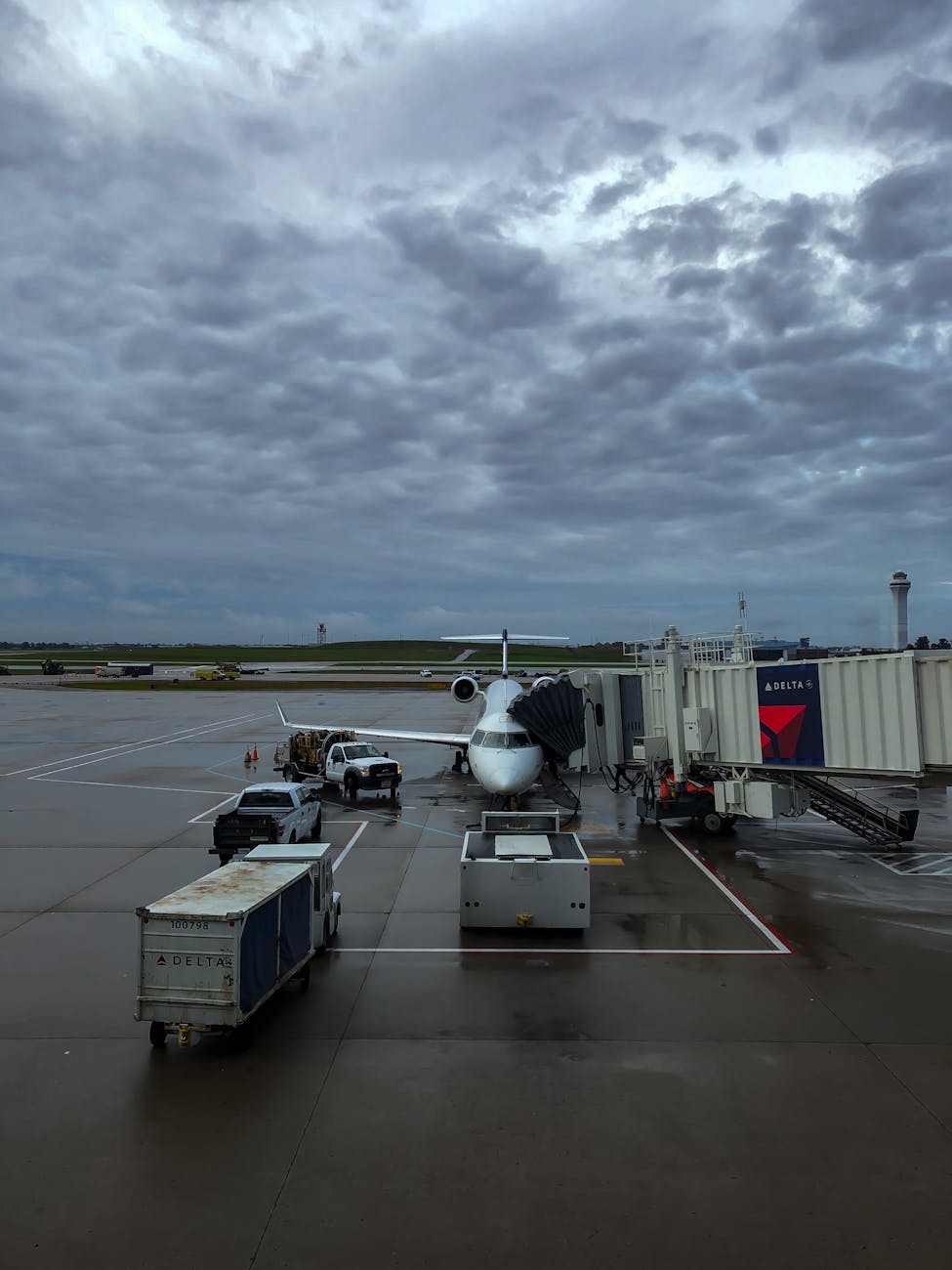 Photo by Blue Arauz on Pexels
A phased and uneven rollout
EES is designed to bolster border security and identify travellers who overstay the 90-days-in-180 limit in the Schengen Area. It requires dedicated infrastructure at each crossing, a process that has proved complicated. Many airports now have the technology in place, meaning visa-exempt travellers from the UK, US and other non-EU countries register their biometric data at dedicated kiosks.
The threshold for how many third-country arrivals member states must register started at just 10%, then rose to 35% from 9 January 2026, with the system due to become fully operational across the EU's borders in April 2026. This staggered approach gives member states flexibility based on how their transport hubs are coping — which also means travellers may still get a manual passport stamp at some borders over the coming months.
What it means at the border and the delays so far
Where EES is in place, travellers from the UK, US and other non-EU countries scan their passport or travel document at a self-service kiosk; it does not apply to EU citizens, residents or those with long-stay visas. The system registers the traveller's name, biometric data, and the date and place of entry and exit. Facial scans and fingerprint data taken at first registration are stored for three years, after which a fingerprint or photo at the border is matched against the stored record.
The early experience has been bumpy. Reports have pointed to processing times rising sharply at some airports, with waiting times of up to three hours in peak periods and, in some cases, passengers missing flights. One major airport temporarily suspended EES for three months after serious problems at border control led to excessive queues. Cross-Channel operators have phased their own rollout: at Dover and the Eurotunnel terminal, only freight and coach traffic was initially subject to checks, while Eurostar has taken steps such as letting passengers board earlier and roughly doubling its border booths.
 Photo by Prabuddha Sharma on Unsplash
How to prepare and what comes next
If you are travelling to the EU soon, a little preparation goes a long way. Allow extra time at the border, especially at busy crossings and in peak periods, and be ready to register your biometric data on your first entry under the new system. Keep your passport details consistent with your booking, and check the specific crossing you will use, since the rollout pace varies by country and terminal.
EES will be followed by the European Travel Information and Authorisation System (ETIAS) in late 2026, with a transitional grace period of at least six months, meaning it is not expected to be mandatory until 2027. ETIAS will require non-EU visitors who do not need a visa to complete an online application and pay a €20 fee, with the charge waived for children under 18 and adults over 70, who still need to apply. To keep track of how these systems develop, it helps to follow a clear ETIAS overview.
Tags:
Source:
Image Sources:
- Header image: Photo by Blue Arauz on Pexels
- Teaser image: Photo by Prabuddha Sharma on Unsplash