
News
All the New Travel Rules in Europe for 2026
View from an airplane window showing another aircraft on a tarmac under cloudy skies.
Article content
All the New Travel Rules in Europe for 2026
Travelling around Europe is set to look noticeably different in 2026. A wave of new rules covers everything from how you cross the border to how much you pay in tourist taxes and how you are expected to behave once you arrive. Some of these measures are designed to modernise creaking border infrastructure, others to manage the strain of mass tourism, and a few simply to keep order on increasingly crowded flights.
Taken together, the changes mark one of the biggest shake-ups in European travel in years. Here is a guide to the headline rules — at the border, in your wallet and on the ground — so there are no surprises before your next trip.
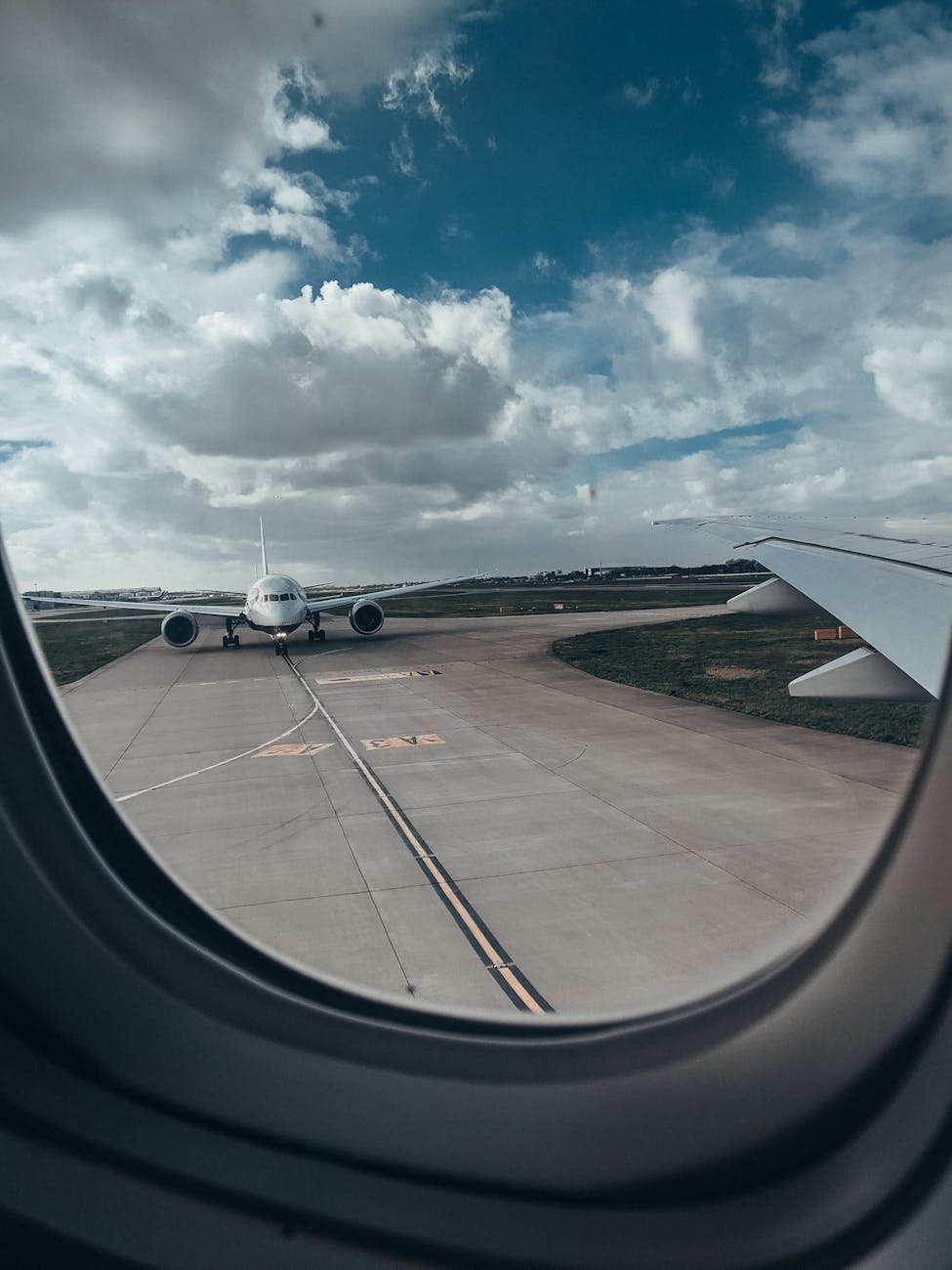 Photo by Archaic Ki D on Pexels
Tighter border controls
The most significant change is at the border itself. The EU launched its Entry/Exit System (EES) on 12 October 2025, with a phased rollout expected to be complete by September 2026. Instead of having passports stamped, non-EU travellers crossing an external Schengen border now provide biometric data — passport details, fingerprints and a facial image — electronically on entry. The system covers all EU countries except Ireland and Cyprus, plus Iceland, Norway, Switzerland and Liechtenstein, and is intended to identify overstayers and combat illegal migration.
Teething problems have caused delays. The launch scheduled for November at the Port of Dover was stalled for car passengers until 2026 to avoid Christmas travel chaos. The EU's separate travel authorisation, ETIAS, has been pushed back to late 2026. Once live, it will require visa-exempt tourists to complete an online authorisation before entering the Schengen Area, costing €20 for most travellers, allowing stays of up to 90 days within any 180-day period and remaining valid for three years.
The UK is tightening its own rules too. Its Electronic Travel Authorisation (ETA), soft-launched in October 2023, will be enforced from February 2026. Tourists from 85 visa-free countries must apply for the digital permit, which currently costs £16 (€18.20), is valid for two years and allows stays of up to six months.
Rising costs and tourist taxes
The price of a European holiday is climbing. Tourist taxes have been introduced or raised in Iceland, Spain, Norway and the UK, and Bucharest is set to introduce a nightly tourist tax in 2026. Cities are also clamping down on short-term rentals: Paris, Barcelona and others have tightened the rules on platforms such as Airbnb, while Budapest's 6th District brought in restrictions in January. The common thread is a shift toward so-called "quality tourism", with destinations trying to reduce sheer visitor numbers rather than chase them.
Winter travellers face higher bills as well. Ski passes in Switzerland, Austria and Italy have jumped by as much as 40 per cent compared with 2021 in some resorts, driven by rising energy and maintenance costs. For a fuller picture of how these border and cost changes fit together, see our overview of Europe's new travel rules.
 Photo by Asad Photo Maldives on Pexels
Behaviour crackdowns and passenger rights
Several destinations are cracking down on tourist behaviour. San Sebastián has banned smoking on its beaches, Portugal's Albufeira announced fines for scantily clad tourists, and Palma has banned party boats. In France, since last November, air passengers who cause disruption can face fines of up to €20,000 and boarding bans of up to four years.
Passenger rights remain a battleground. An EU law to improve air passenger rights has been under discussion for 11 years and is now in jeopardy amid pressure from the industry. Meanwhile, the move toward fully digital travel continues: Ryanair has stopped accepting paper boarding passes in favour of digital-only versions, a change Portugal has warned could risk non-compliance with passenger rights.
For travellers, the message for 2026 is to plan ahead. Check whether you need an EES registration, an ETA or, later in the year, an ETIAS authorisation; budget for higher taxes and ski passes; and read the local rules on behaviour before you land. A little preparation will go a long way toward a smooth trip.
Tags:
Source:
Image Sources:
- Header image: Photo by Archaic Ki D on Pexels
- Teaser image: Photo by Asad Photo Maldives on Pexels