
News
‘Disproportionate and Unjustified’: Travel Industry Pushes Back on the €20 ETIAS Fee
bridge during night time
Article content
‘Disproportionate and Unjustified’: Travel Industry Pushes Back on the €20 ETIAS Fee
A coalition of Europe's most influential travel and aviation organisations has publicly challenged the European Commission's plan to raise the fee for the European Travel Information and Authorisation System (ETIAS) from €7 to €20. In a joint statement, the groups described the proposed increase as disproportionate and warned that it risks undermining the competitiveness of the continent's travel sector at an already difficult time.
 Photo by Léonard Cotte on Unsplash
Who is objecting, and why
The criticism came from a broad alliance that included the European Travel Agents' and Tour Operators' Association (ECTAA), the European Tourism Association (ETOA) and Airlines for Europe (A4E). Their central argument is that the near-tripling of the fee runs counter to the intentions of the co-legislators — the European Parliament and the Council — who agreed to a modest, reasonable charge during the original 2018 negotiations.
Industry leaders stressed that, while €20 may look small on its own, it adds to a growing stack of travel costs. Overnight tourist taxes have risen sharply in popular cities such as Barcelona, Venice and Lisbon, and families planning a European trip increasingly feel the cumulative weight of these charges. Patrick Diemer, chair of BT4Europe, said the hike imposed ‘another cost and administrative burden on travellers, with little noticeable benefit to the user experience’.
A call for transparency
Beyond the headline figure, the associations raised concerns about how the €20 was reached. They questioned whether alternative pricing models, such as €10 or €12, had been seriously considered, and argued that insufficient evidence had been presented to show that this level of fee is necessary to operate and maintain the system.
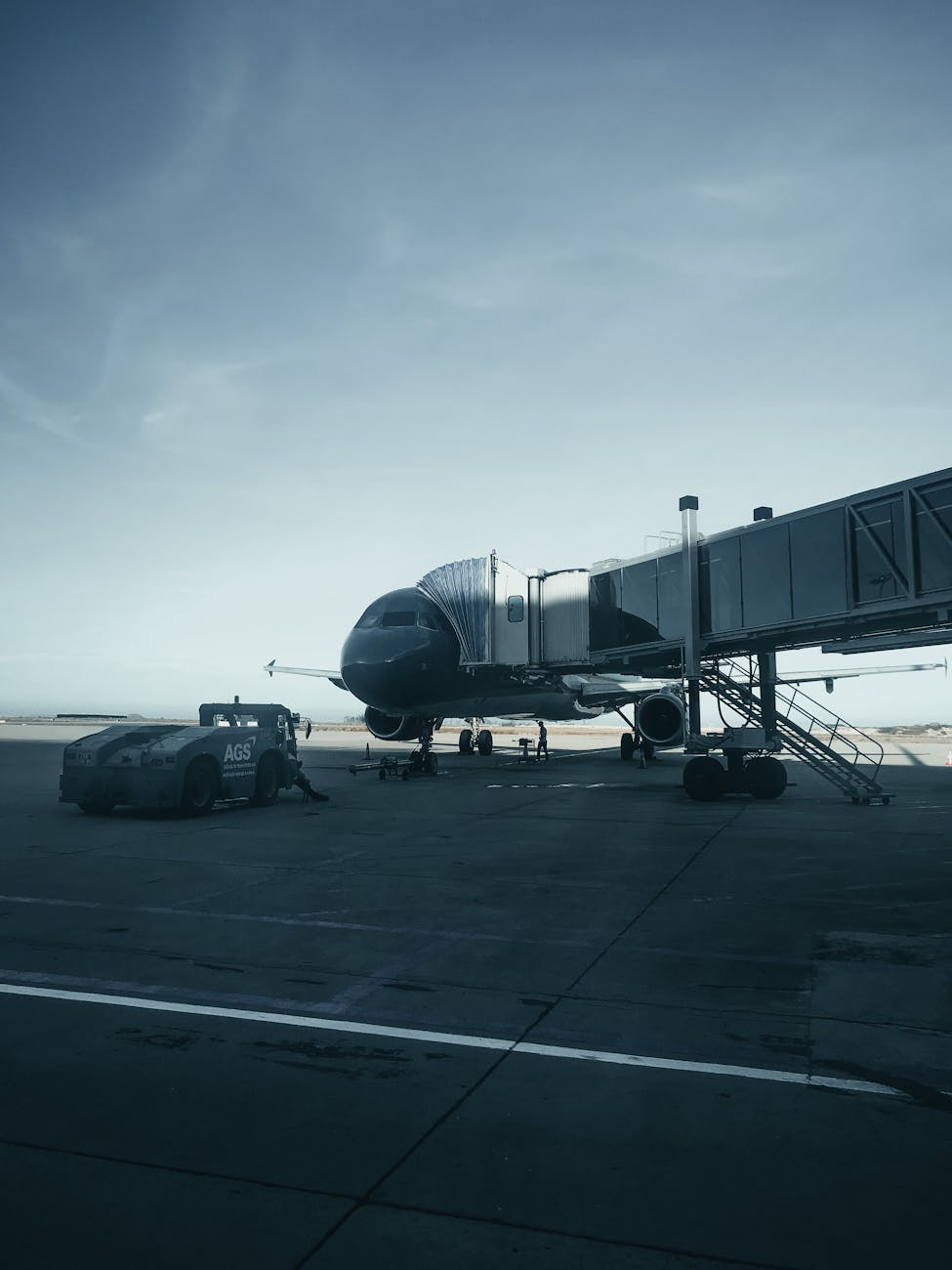 Photo by Tony Pham on Pexels
The travel bodies also pushed back on the idea of justifying the ETIAS fee by aligning it with other schemes, such as the UK's Electronic Travel Authorisation. Fee decisions, they argued, should reflect the genuine operational needs of the EU system rather than mirroring unrelated programmes without a clear legal basis.
What the EU says and what comes next
The European Commission has defended the increase by pointing to higher operational costs, inflation and the need to fund new technical features, stronger encryption and better coordination with systems such as the Entry/Exit System (EES). The associations, however, are calling for a formal impact assessment and a detailed cost breakdown before the figure is locked in, and have urged the Council and Parliament to adopt a more evidence-based and proportionate fee.
ETIAS is expected to begin operating in late 2026, requiring visa-exempt travellers from countries such as the US, UK, Brazil, Canada and Australia to obtain an online authorisation before visiting the EU. Travellers who want to understand the requirement in advance can review the ETIAS application process so there are no surprises when the system goes live.
Tags:
Source:
Image Sources:
- Header image: Photo by Léonard Cotte on Unsplash
- Teaser image: Photo by Tony Pham on Pexels