
News
The Schengen Area Explained: How Europe's Borderless Zone Works
Close-up of Ukrainian passports and travel card on a light surface with ample copy space.
Article content
The Schengen Area Explained: How Europe's Borderless Zone Works
The Schengen area is one of the main achievements of the European project. It allows more than 450 million people to travel freely between member countries without going through internal border controls.
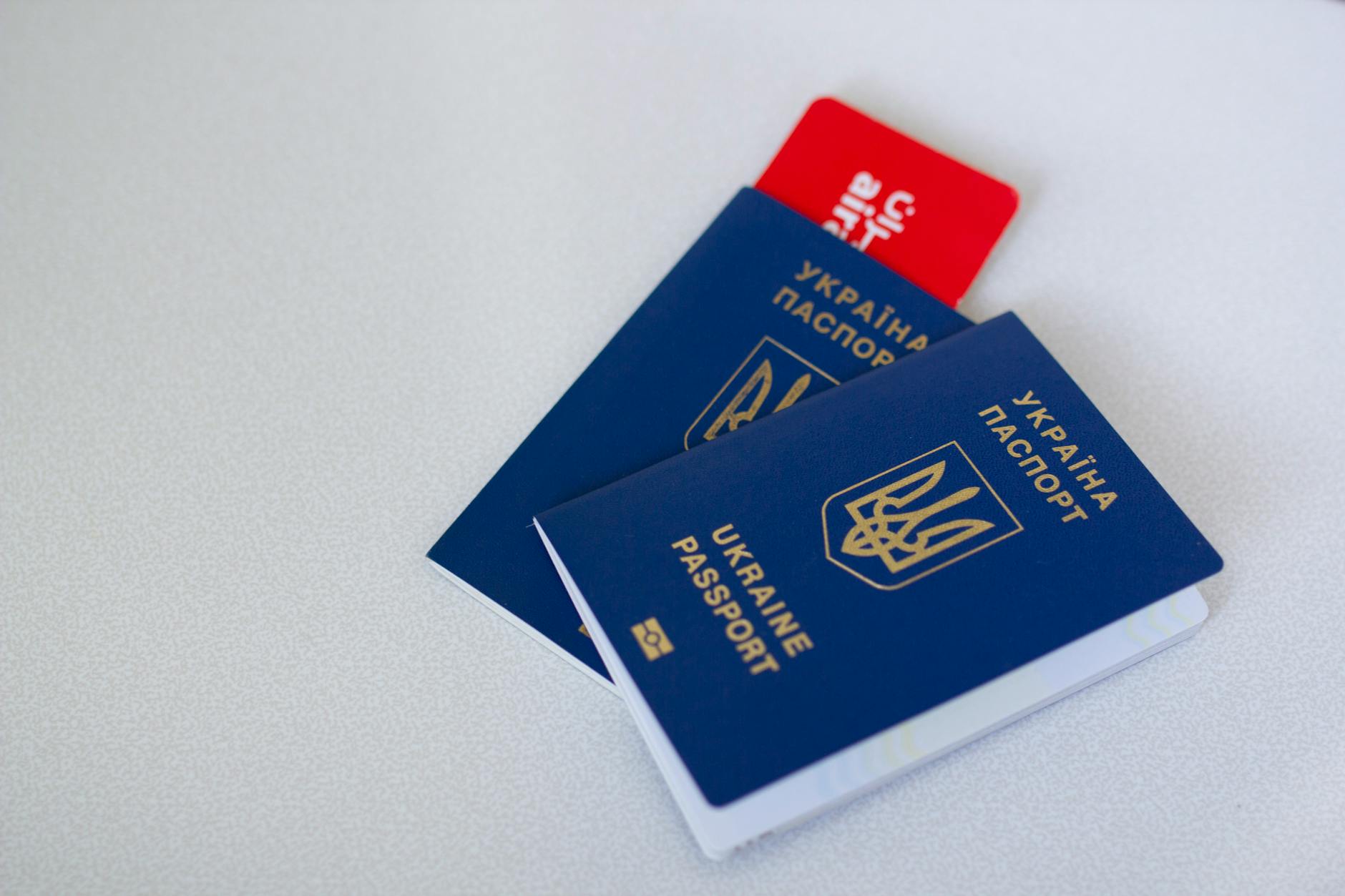 Photo by Pexels
What Schengen is
Schengen began in 1985 as an intergovernmental project between five EU countries — France, Germany, Belgium, the Netherlands and Luxembourg — and has gradually grown into the largest free-travel area in the world. The name comes from a small village in Luxembourg where the Schengen Agreement and the Schengen Convention were signed in 1985 and 1990.
Belonging to an area without internal border controls means that countries do not carry out checks at their internal borders, except in cases of specific threats, and instead apply harmonised controls at their external borders based on clearly defined criteria. The shared rulebook is called the Schengen Borders Code.
Which countries belong
Today the Schengen area covers over four million square kilometres and includes 29 countries: 25 of the 27 EU member states, plus all four members of the European Free Trade Association (Iceland, Liechtenstein, Norway and Switzerland). Bulgaria and Romania became full members on 1 January 2025, after internal land border controls were lifted. Controls at the internal borders with Cyprus have not yet been lifted, and Ireland is not part of Schengen.
 Photo by Pexels
How the external borders are protected
Because there are no routine checks inside the area, consistent management of the external border is essential. That work is supported by the European Border and Coast Guard Agency (Frontex) and by shared IT systems, and it is being modernised through the Entry/Exit System (EES) and the ETIAS travel authorisation for visa-exempt visitors. If you are a non-EU traveller, the ETIAS overview explains what these changes will mean for your trips.
Tags:
Source:
Image Sources:
- Header image: Photo by Borys Zaitsev on Pexels
- Teaser image: Photo by Manfred Irmer on Pexels