
News
Planning a Trip to Japan? Expect Higher Visa Fees and Tourist Taxes in 2026
A stylish scene showcasing a vintage camera, hat, and orange juice, evoking summer travel vibes.
Article content
Planning a Trip to Japan? Expect Higher Visa Fees and Tourist Taxes in 2026
If you are budgeting for a trip to Japan in 2026, you may need to set aside a little extra. The Japanese government is planning to increase its international departure tax, while fees for single- and multiple-entry visas — untouched since 1978 — could also rise substantially.
According to The Nikkei and Asahi Shimbun, the additional revenue could go toward improving airport infrastructure, strengthening security screening, and funding domestic programmes such as free high-school tuition. Japanese citizens would still pay the departure tax, but officials have floated reducing passport application and renewal fees to offset the cost for locals.
 Photo by Pixabay on Pexels
How much more could travellers pay?
Japan's departure tax — collected from people leaving the country, most often by air — was introduced in 2019 at a flat ¥1,000 (about €5.50). Officials are now considering raising it closer to "international standards". For comparison, Germany charges departing air passengers between €15.53 and €39.34 for nearby countries and €70.83 for all others.
The country's decades-old visa fees are also under review. A single-entry visa currently costs around JPY 3,000 (€19) and a multiple-entry visa about JPY 6,000 (€38). If brought into line with comparable economies — such as the UK's £127 (€150) or the EU's €90 Schengen visa fee — travellers could face a major increase.
A new JESTA permit and why the changes are coming
A new pre-screening system, the Japan Electronic System for Travel Authorisation (JESTA), is also in the works for 2028. Similar to Europe's planned €20 ETIAS, it would apply to nationals of visa-waiver countries and likely carry an additional charge of about JPY 6,000 (€36). If you want to understand how these pre-travel authorisations compare, see our overview of ETIAS and similar travel permits.
Officials say the changes are overdue: visa fees have remained unchanged for nearly half a century, and the government has struggled to secure the €2.25 billion needed to expand free tuition for all high-school students. By raising fees paid primarily by foreign nationals, Japan hopes to generate new revenue without adding to the burden on its own taxpayers — a move that also reflects growing unease over the country's tourism boom.
Tackling overtourism in Kyoto and beyond
Tourism to Japan has surged well beyond pre-pandemic levels, with a record 31.6 million international visitors arriving between January and September 2025. To manage the influx, Kyoto has approved a tiered accommodation tax, taking effect next year — its first increase since the levy was introduced in 2018. Guests in luxury hotels will pay as much as JPY 10,000 (€56) per night, mid-range stays will be charged between JPY 1,000 and JPY 4,000 (€5.50 to €23), and the lowest rate of JPY 200 (about €1) will apply to budget stays under JPY 6,000 (€34) a night.
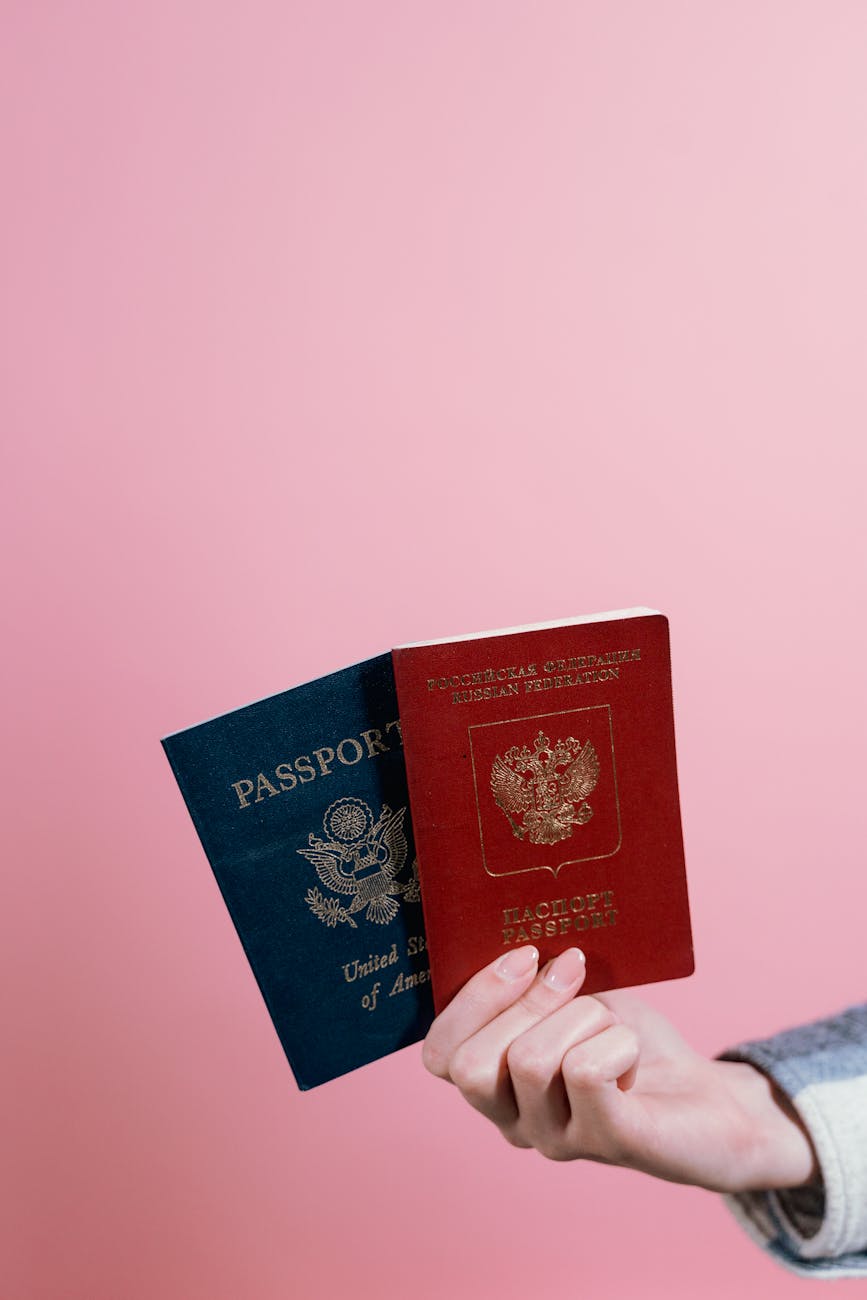 Photo by Tima Miroshnichenko on Pexels
Kyoto officials say the goal is not to deter tourists but to ensure they contribute toward the city's overtourism measures. Nicholas Smith, holidays digital director at Thomas Cook, told Euronews that such levies "are rarely meant to discourage travel — they are designed to reinvest in the very things that make cities attractive: cultural preservation, public transport, cleanliness and better visitor management." The debate has sharpened under new prime minister Sanae Takaichi, Japan's first female leader, whose campaign remarks about tourists at Nara Park tapped into a rising tide of anti-tourist sentiment.
Tags:
Source:
Image Sources:
- Header image: Photo by Pixabay on Pexels
- Teaser image: Photo by Tima Miroshnichenko on Pexels