
News
Queues at the French Border Set to Double Under New EU Digital Checks
Woman enjoying Paris vacation at Eiffel Tower, France with a joyful smile and casual summer attire.
Article content
Queues at the French Border Set to Double Under New EU Digital Checks
UK passengers queuing at the French border can expect their waiting time to more than double when digital checks for non-EU countries are introduced, according to a new report. The warning underlines how the EU's planned Entry/Exit System (EES) could reshape cross-Channel travel — and how much preparation will be needed to keep queues manageable.
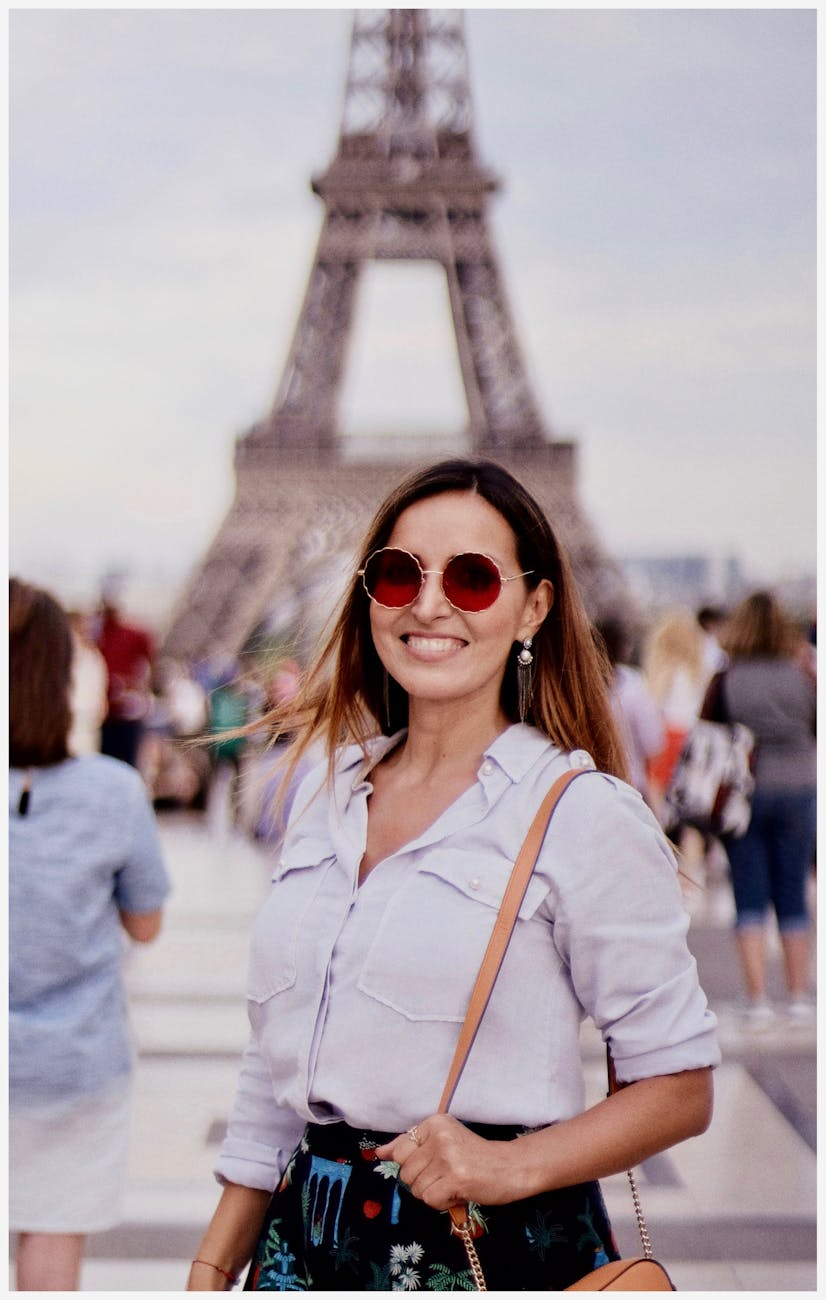 Photo by Dominique ROELLINGER on Pexels
What the watchdog found
France has ordered more than 500 ‘data kiosks’ and 250 tablets to process travellers, including car passengers on ferries, in the hope of reducing queues at airports, stations and ports once EES begins and the photos and fingerprints of millions of people must be captured. After leaving the European Union, UK travellers entering the Schengen area for the first time will need all their data and documents processed.
Although the system will replace the manual stamping of passports, a report by the Cour des Comptes — France's public finance watchdog — estimated that the initial registration of travellers will at least double queuing times. After passing through the kiosks, travellers will still need to show their passports to border officers. Trials have suggested the new process could add around two minutes per person, whether arriving by air or sea.
Industry concern and the Brexit context
The report suggested potential disruption could push more people to travel across the continent by plane, noting that ‘doubling or even tripling waiting time could drive some travellers to opt for a plane'. Paul Charles, chief executive of the travel consultancy The PC Agency, warned that getting into Europe needs to become more seamless, not more cumbersome, and that processing must be faster or peak periods will become unbearable.
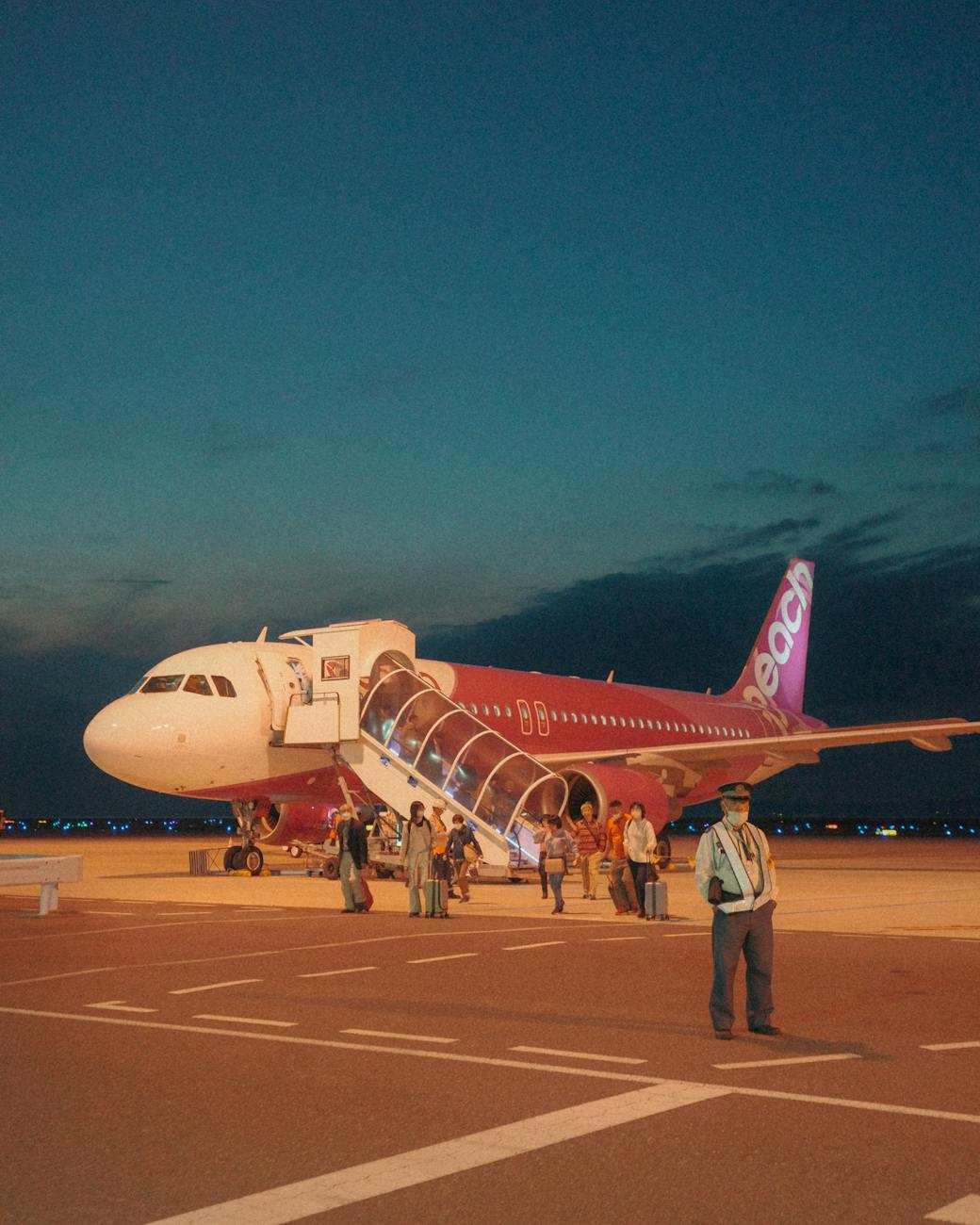 Photo by YEOCHAN LEE on Pexels
Travel correspondent Simon Calder laid the blame on Brexit's decision-makers. Plans for the Entry/Exit System were already under way at the time of the EU referendum, he noted, and after the vote to leave, the UK government negotiated for British passport holders to become ‘third-country citizens' — and for hard EU frontiers at Dover and Folkestone. The queues seen since Britain demanded that all UK passports be checked and stamped, he argued, should not surprise anyone, and the process will become tougher once fingerprinting and facial biometrics are mandatory.
A long-delayed project
Proposals for smart borders were first suggested by the EU in 2015 and formally adopted in early 2016 — months before the Brexit referendum. The scheme has since been hit by repeated delays and, as of this report, was not expected to be implemented until 2025. For travellers, the practical takeaway is to understand the new checks in advance; you can read an overview of how the EES will work to know what to expect at the border.
Tags:
Source:
Image Sources:
- Header image: Photo by Dominique ROELLINGER on Pexels
- Teaser image: Photo by YEOCHAN LEE on Pexels