
News
What the EU's Fingerprint and Facial-Scan Checks Will Mean for UK Travellers
Passengers at an airport terminal, seated and waiting with luggage and smartphones.
Article content
What the EU's Fingerprint and Facial-Scan Checks Will Mean for UK Travellers
A new EU digital border system that requires fingerprints and facial scans from British travellers on first use was, as of December 2023, expected to launch the following autumn. The Entry/Exit System (EES) was earmarked to start on 6 October 2024, according to reports citing Getlink, the owner of Eurotunnel, which was testing the technology at the time.
Under the EES, passengers would have to agree to fingerprinting and facial-image capture the first time they arrived on the continent. After that, the stored data — including any record of refused entry — was expected to allow quicker processing on subsequent trips. The original rollout, planned for earlier, had already been delayed amid concerns it could disrupt travel to the 2024 Paris Olympics.
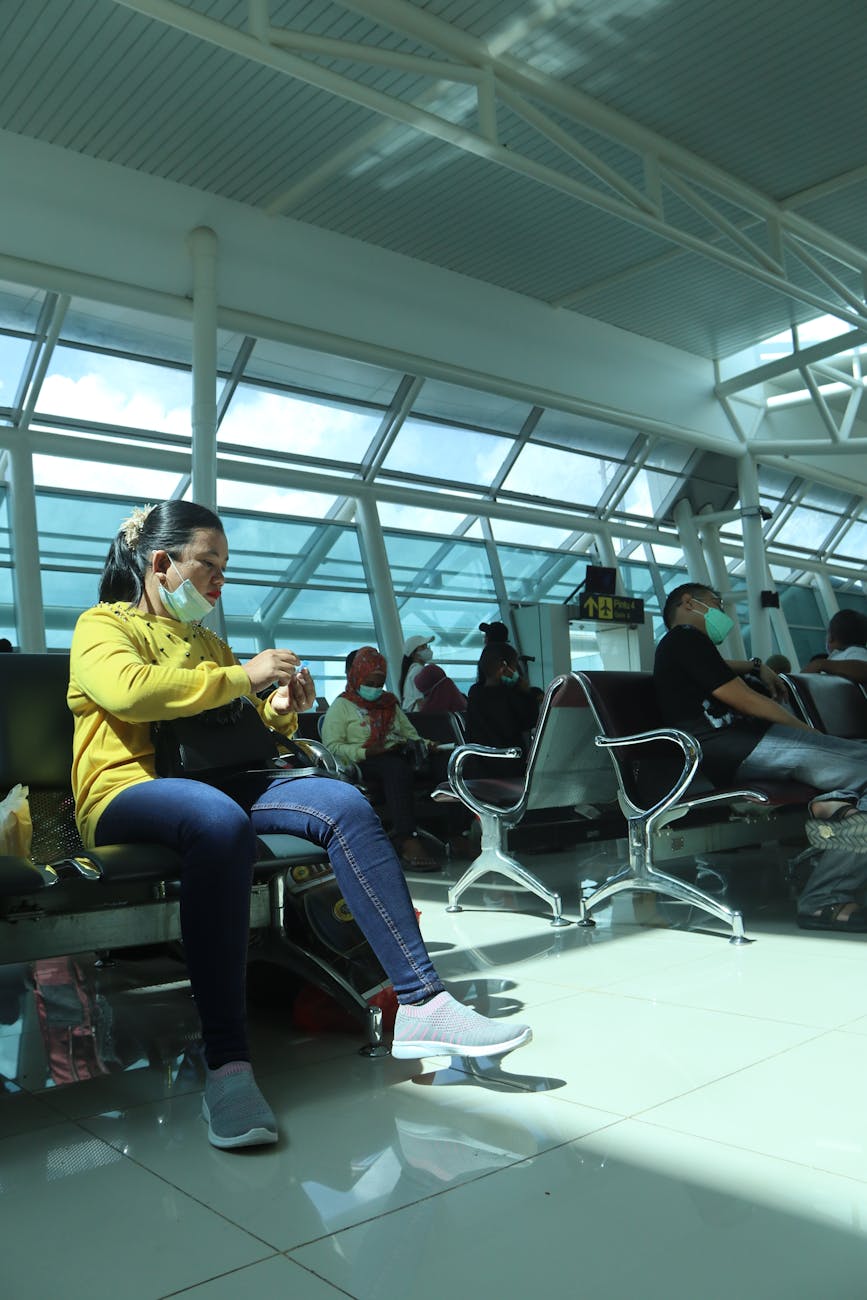 Photo by M. Noor TM on Pexels
Where the checks would apply
According to the European Commission, the system would apply when entering 25 EU countries — all member states apart from Cyprus and Ireland — plus four non-EU countries in the Schengen area: Norway, Iceland, Switzerland and Liechtenstein. For British travellers, a particular wrinkle is that the checks take place in England, because the UK has reciprocal agreements allowing French authorities to operate border checks at UK departure points: the Port of Dover, Eurotunnel and Eurostar.
That arrangement was the source of much of the concern. The Port of Dover had previously estimated the new requirements could add up to 10 minutes for a family of five in a vehicle on their first trip, compared with about 45 to 90 seconds before. Eurotunnel reportedly estimated the average time to process a car through the French frontier would rise from under 60 seconds to five to seven minutes. Representatives had warned that congestion at the French booths could back up exit checks and check-in, potentially spilling onto the motorway.
 Photo by Pixabay on Pexels
EES, ETIAS and what travellers should know
Once the EES was up and running, the EU planned to introduce its European Travel Information and Authorisation System (ETIAS), which applies to non-EU citizens from around 60 countries that enjoy visa-free travel with the bloc. Modelled on the US ESTA, ETIAS would require travellers to complete a form and pay a €7 fee — at the time applying to those aged 18 to 70 — valid for multiple visits over three years, with approval expected within minutes in most cases.
For travellers planning ahead, the key point is that these are two separate steps: EES is a biometric check done at the border, while ETIAS is an online authorisation obtained before departure. To see who is affected and what each step involves, our guide to ETIAS eligibility sets out the essentials.
Tags:
Source:
Image Sources:
- Header image: Photo by M. Noor TM on Pexels
- Teaser image: Photo by Pixabay on Pexels