
News
EES Is Live and ETIAS Is Next: What UK Travellers Need to Know
red and white train on snow covered mountain during daytime
Article content
EES Is Live and ETIAS Is Next: What UK Travellers Need to Know
The European Union is rolling out two separate but interconnected schemes that will reshape how non-EU citizens travel to most EU countries and the four other states in the Schengen area. The first, the Entry/Exit System (EES), is an automated system that registers travellers each time they cross an EU external border. The second, the European Travel Information and Authorisation System (ETIAS), is a travel authorisation that visa-exempt visitors will need to obtain before they set off. Together they mark the biggest change to EU border procedures that British holidaymakers have faced since Brexit.
 Photo by Niklas Jeromin on Pexels
What the Entry/Exit System does
EES launched on 12 October 2025 after several years of delays, having previously been pencilled in for 2022, then 2023, then late 2024. It is an automated IT system that registers travellers from non-EU countries, including the UK, every time they cross a border into or out of the Schengen area. The system replaces the manual stamping of passports, which the European Commission regarded as time-consuming and unreliable for tracking border crossings.
Travellers have their passport or travel document scanned before crossing the border. The system records the person's name, the type of document, biometric data — fingerprints and a facial image — and the date and place of entry and exit. Visa-exempt visitors give their fingerprints and facial image the first time they cross, and those details are checked against the record on later trips. Self-service kiosks are available at some crossings, with border officers overseeing the process. The data is normally erased three years after a traveller's last trip.
EES applies across the 29 countries operating it for short stays. Non-EU citizens who are legally resident or hold long-stay visas in a member state are exempt. To check whether the rules apply to you, see our ETIAS eligibility guide.
A bumpy, phased rollout
The EU originally wanted EES to go live fully on day one, but after repeated delays and warnings it opted for a phased start, agreed in new legislation adopted in July 2025. Participating countries were allowed to introduce the system gradually over six months, with full operation targeted for 10 April 2026. Manual passport stamping continued during the transition.
That deadline came and went without every Schengen border being fully operational. Lengthy delays were reported at some crossings, Greek authorities suspended EES registration for British visitors, and several member states partially suspended or relaxed the system as airlines and airport bodies warned of summer chaos. In early May 2026 the European Commission pointed to the "built-in flexibility" in the rules, which allows certain functions to be suspended for limited periods in exceptional circumstances, while insisting the system was "functioning normally" at most crossings.
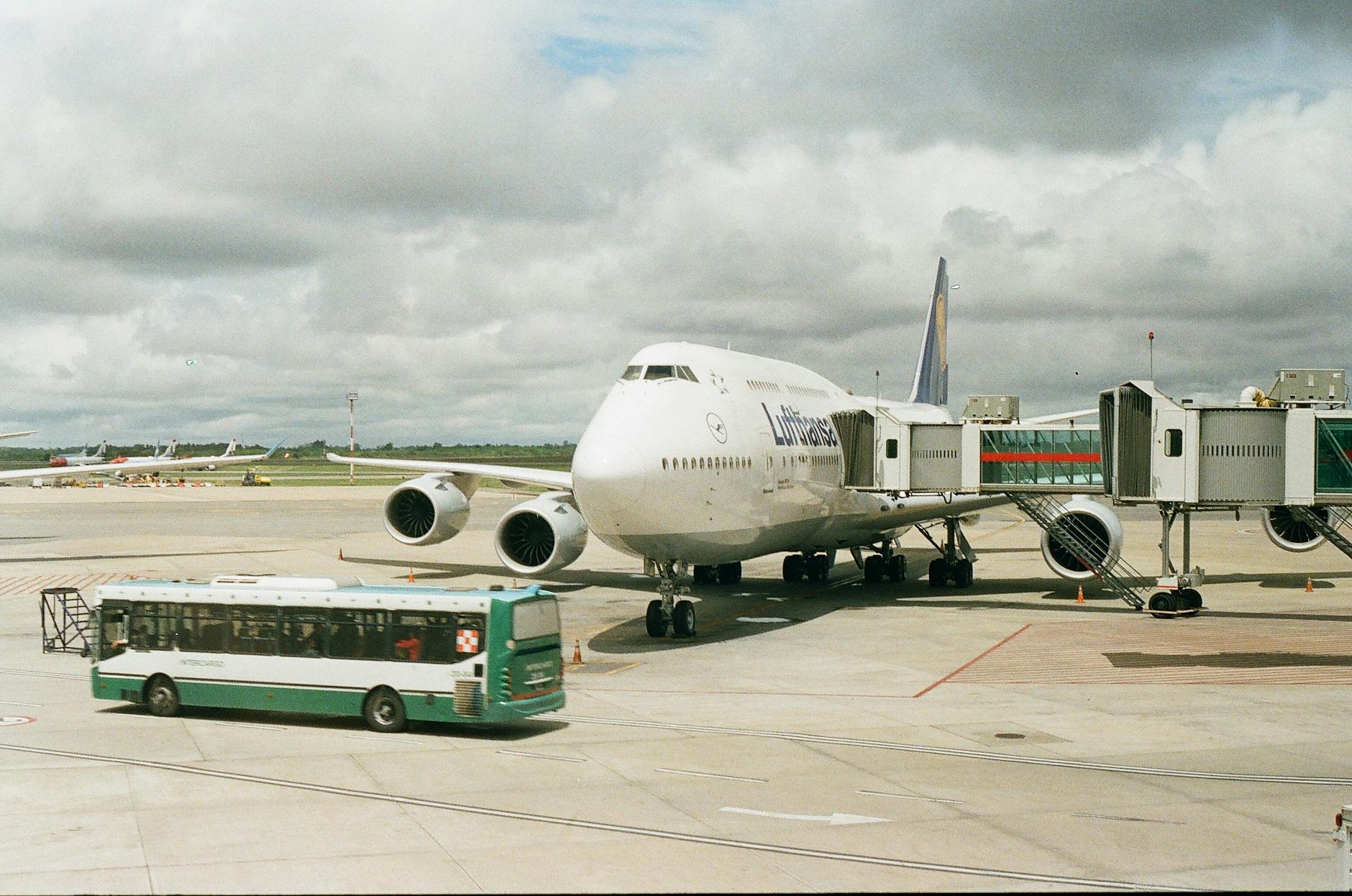 Photo by Matias Mango on Pexels
What it means at UK border points
Because of reciprocal juxtaposed-control agreements with France, EES operates on UK soil at the Port of Dover and the Eurostar and Eurotunnel terminals. Operators have warned for years about the potential for long queues, particularly for travellers in vehicles who have to leave their cars to register at kiosks. The Port of Dover opened a dedicated EES processing site at its Western docks, registering coach and foot passengers from 12 October 2025, with car traffic following later. Eurostar and Eurotunnel began with small numbers of travellers and phased in wider registration over time.
Schengen short-stay limits still apply
EES data is used to enforce the Schengen rules that limit non-EU visitors to stays of 90 days in any rolling 180-day period, recording overstays and refusals of entry. Longer visits require a national long-stay visa. The UK and Ireland keep their separate Common Travel Area, so Ireland operates neither EES nor ETIAS, and Irish passport-holders — as EU citizens — are unaffected by either system.
ETIAS follows in late 2026
ETIAS is now scheduled to launch in late 2026, a few months after EES. It will apply to British and other visa-exempt non-EU travellers visiting EU member states (except Ireland) and the four non-EU Schengen countries. Applications will be made online or through a mobile app and checked against EU border and security databases, with most authorisations issued within minutes, though some cases can take up to 30 days.
An ETIAS authorisation lasts three years, or until the holder's passport expires, and costs €20 for applicants aged 18 to 70 — free for under-18s and over-70s — after the Commission raised the planned fee from €7 in July 2025. UK nationals with Withdrawal Agreement residence rights are exempt, as are non-EU residence-permit holders. The scheme mirrors the US ESTA and the UK's own Electronic Travel Authorisation, which has applied to EU visitors since April 2025. For a fuller explanation of how the authorisation works, see our ETIAS overview.
Tags:
Source:
Image Sources:
- Header image: Photo by Gregory DALLEAU on Unsplash
- Teaser image: Photo by Christian Lue on Unsplash