
News
The EU's Entry/Exit System: A Shaky Start and What Travellers Need to Know
An airplane parked on the runway at an airport, captured during the day with clear skies.
Article content
The EU's Entry/Exit System: A Shaky Start and What Travellers Need to Know
The European Union's long-delayed Entry/Exit System (EES) for non-EU nationals began being phased in from October 2025, and the gradual scale-up of biometric border technology has experienced teething problems and significant delays for air passengers. The promise of smoother, automated crossings has, for now, collided with the reality of new kiosks, longer queues and uneven readiness across the bloc.
Confusion among travellers remains widespread. A Holiday Extras survey found that 82 per cent of respondents were unclear how EES would affect their trips, and 35 per cent did not know when the rules would apply. Nearly one in five travellers had already changed or cancelled plans over worries about border delays — a sign of how much uncertainty still surrounds the new system.
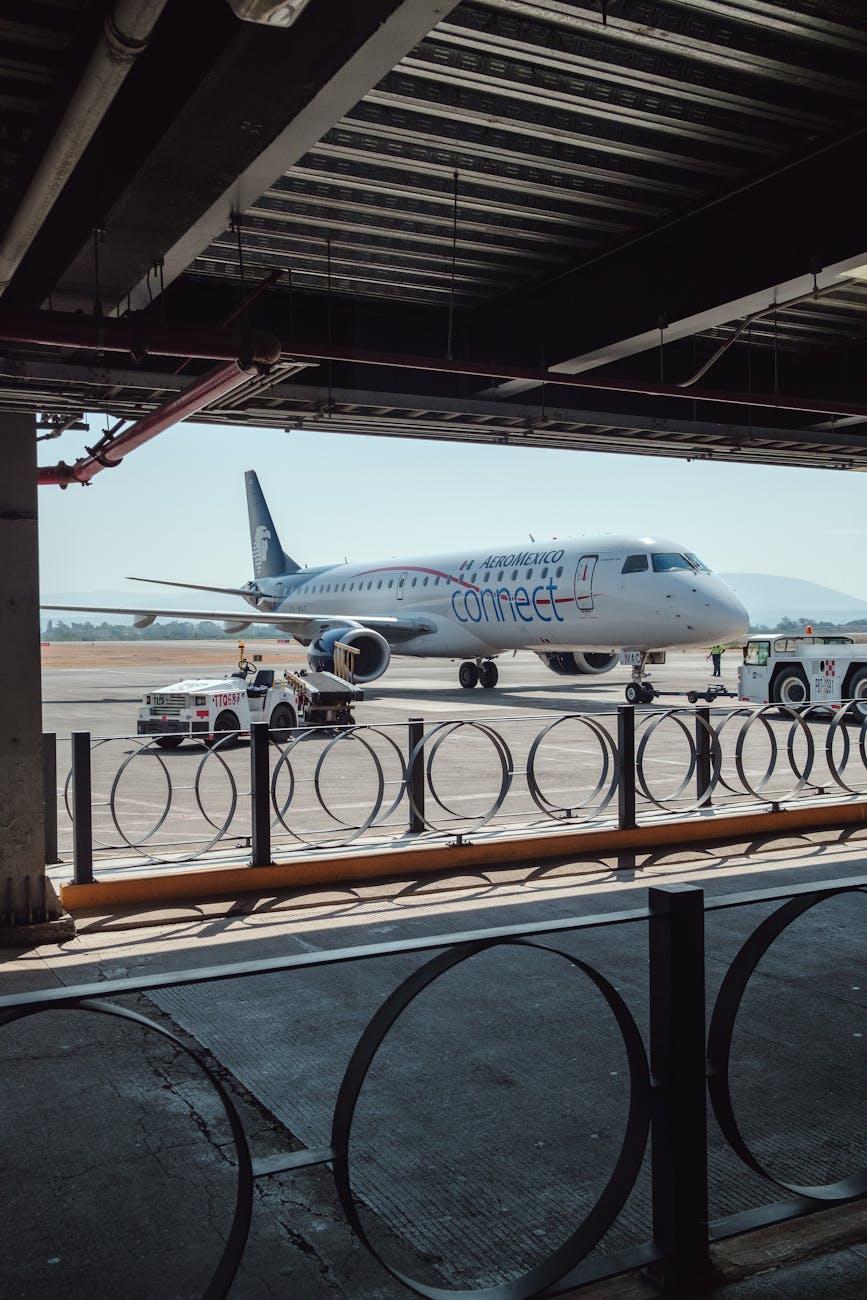 Photo by Alex Quezada on Pexels
Where and when the EES applies
EES has been introduced to bolster border security and to identify travellers who overstay the Schengen limit of 90 days in any 180-day period. Rather than relying on manual passport stamps, it records each crossing electronically, which means border crossings need dedicated infrastructure — self-service kiosks, cameras and fingerprint readers — before they can run the system at full capacity.
That requirement explains why the launch is being staged rather than switched on overnight. The threshold for EU countries to register third-country arrivals was initially set at only 10 per cent of crossings, increasing to 35 per cent from 9 January 2026. The system is due to be fully operational across EU borders in April 2026. Until then, travellers may still have their passports stamped manually, and the experience will vary from one border point to the next.
What it means at the UK border — and the delays so far
For travellers leaving the United Kingdom via the Port of Dover, Eurotunnel at Folkestone and Eurostar at London St Pancras, EES registration takes place on departure and is overseen by French border officials, because you enter EU territory before boarding. At Dover and Eurotunnel, only freight and coach traffic was initially subject to EES, with checks for car passengers delayed to early 2026. For Eurostar, from 12 October only business and premium passengers faced EES checks; others were due from January 2026 but appear to have been delayed. Eurotunnel terminals can process up to 700 vehicles per hour, or roughly 2,000 passengers.
At equipped borders, travellers from the UK, the US and other non-EU countries scan their passports or travel documents at a self-service kiosk. The system does not apply to EU citizens, residents or long-stay visa holders. It registers your name, biometric data, and the date and place of entry and exit; facial scans and fingerprints taken at first registration are stored for three years, after which you simply provide a fingerprint or photo at the border.
 Photo by Pixabay on Pexels
The early signs have not been reassuring. The new checks have already caused long lines, and some passengers have missed flights. An Airport Council International (ACI) Europe report found processing times rising by up to 70 per cent, with waits of up to three hours at peak. In December, Lisbon Airport suspended EES for three months after "serious deficiencies" caused queues reportedly reaching seven hours. Eurostar took precautions of its own, letting passengers board 30 minutes earlier and doubling its EES kiosks to 49 from 24, alongside extra border staff.
How to prepare and how ETIAS follows
Until EES is fully bedded in, the best preparation is to allow extra time at the border, arrive early for departures, and keep your passport and travel documents ready for the kiosk. Knowing whether your route registers freight, coach or car passengers first can save unwelcome surprises, and checking your carrier's latest guidance before you travel is well worth the effort.
EES will be followed by ETIAS in late 2026, with a transitional grace period of at least six months, so it will not be mandatory until 2027. ETIAS requires non-EU visa-exempt travellers to complete an online application, provide personal details, answer security questions and pay a €20 fee; the authorisation is linked to the passport and valid for three years or until the passport expires. Travellers from 60 non-EU countries must comply, and while the fee is waived for children under 18 and adults over 70, they still need to apply. For a step-by-step guide, see our explainer on how to apply for ETIAS.
Tags:
Source:
Image Sources:
- Header image: Photo by Alex Quezada on Pexels
- Teaser image: Photo by Pixabay on Pexels