
News
IATA Condemns the UK's Proposed ETA Fee Hike, Warning of a Tourism Setback
Still life of a digital COVID certificate, passports, and a leather wallet for travel documentation.
Article content
IATA Condemns the UK's Proposed ETA Fee Hike, Warning of a Tourism Setback
The International Air Transport Association (IATA) has sharply criticised the UK Home Office's proposal to increase the cost of the Electronic Travel Authorisation (ETA) by 60%, raising the fee to £16 — just a week after the system's wider introduction. The airline body warned that the move could deter visitors and undercut the government's own tourism ambitions.
This article looks at IATA's objections, the wider cost pressures on travellers to the UK, and a separate change affecting transfer passengers.
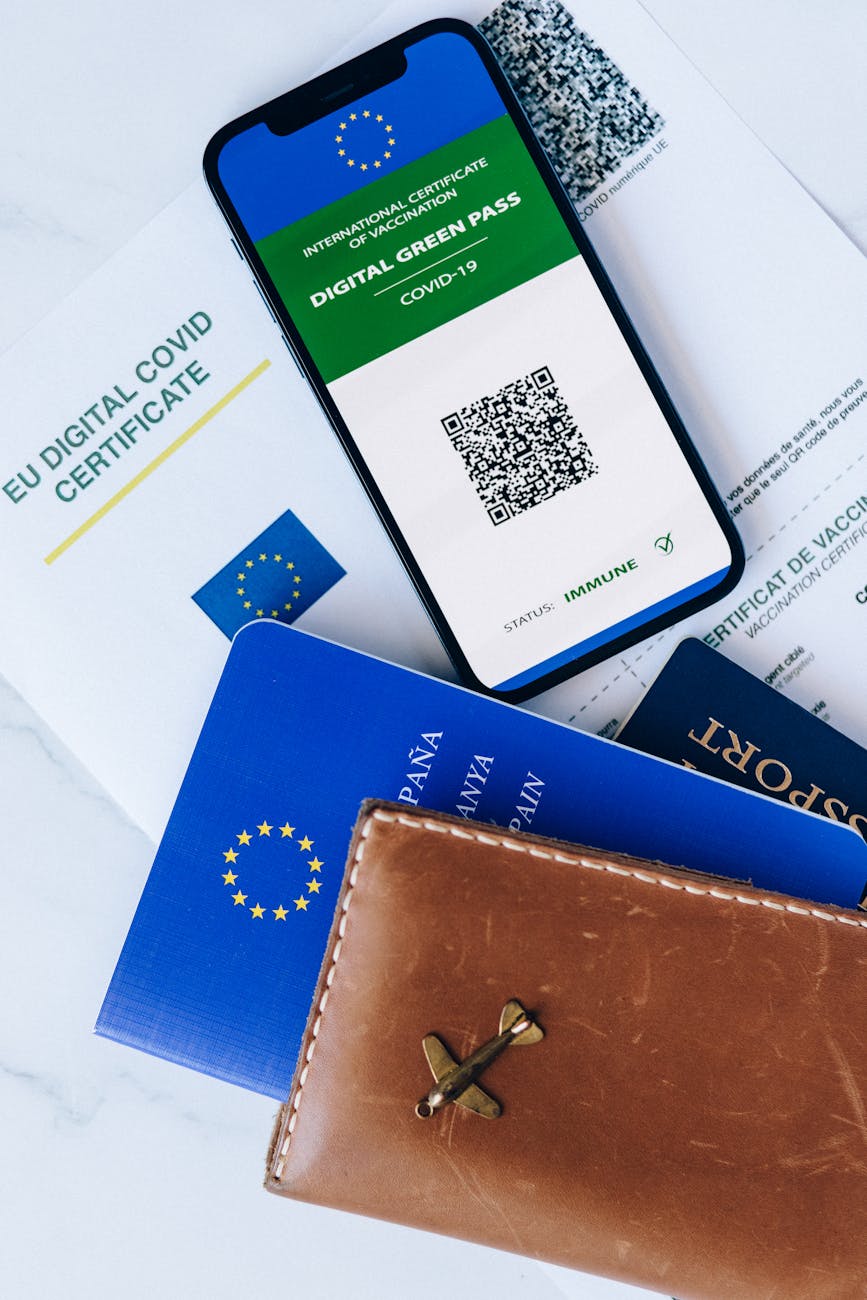 Photo by Nataliya Vaitkevich on Pexels
Why IATA is sounding the alarm
IATA's Director General, Willie Walsh, described the fee increase as a "self-inflicted blow" to the UK's competitiveness. He argued the move undermines the government's stated goal of boosting tourism by 30% by 2030, and that the added charge — on top of the already high Air Passenger Duty (APD) — risks deterring travellers, especially when the EU's forthcoming ETIAS is positioned as better value.
IATA urged the UK government to prioritise affordability to protect its status as a leading travel destination. It emphasised tourism's substantial economic contribution, which it put at around 1.6 million jobs and USD 160.7 billion to GDP — a reminder of how much is at stake if higher costs dampen demand.
What it means for transfer passengers
The ETA was initially planned to apply to all EU travellers from 2 April, screening visitors before they arrive. While the requirement stays in place for passengers entering the UK, the government confirmed that transfer passengers from EU countries would no longer need an ETA when simply transiting through London Heathrow or Manchester Airport. That decision followed lobbying from the aviation sector, which warned the requirement could push travellers away from UK hubs.
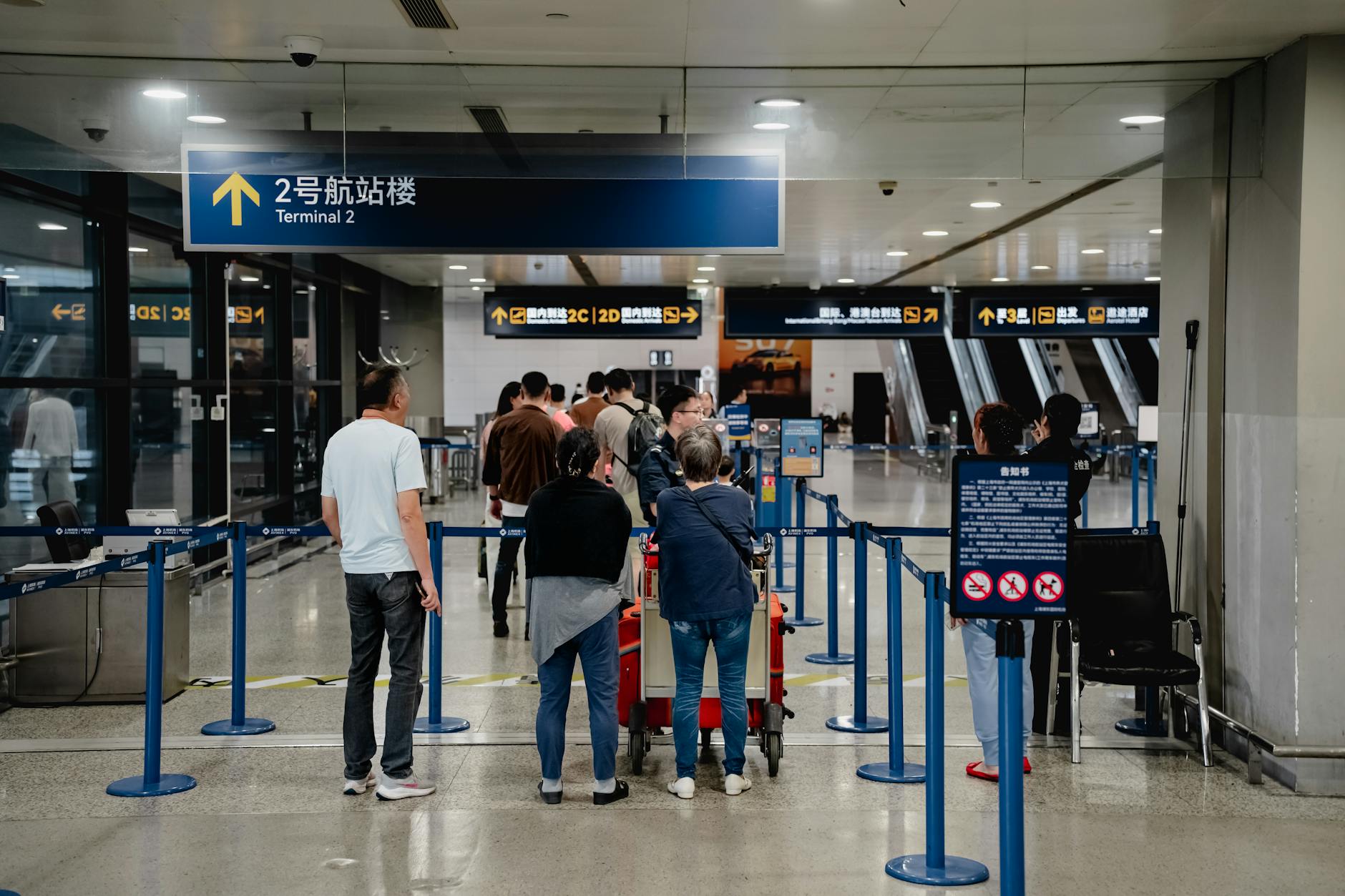 Photo by dongfang xiaowu on Pexels
The bigger picture for travellers
The dispute highlights a broader trend: as countries roll out digital travel permits, the fees attached to them are becoming a competitive battleground. The UK's ETA, the US ESTA and the EU's planned ETIAS all add a small but real cost and an extra step before departure, and travellers increasingly need to budget for them across multiple destinations.
For those whose plans involve the Schengen area rather than the UK, it is worth understanding the parallel EU scheme in advance. Our ETIAS overview explains how that authorisation works and how it compares.
Tags:
Source:
Image Sources:
- Header image: Photo by Nataliya Vaitkevich on Pexels
- Teaser image: Photo by dongfang xiaowu on Pexels