
News
Understanding the Key Differences Between ETIAS and the EES
Open vintage atlas showing Spain and Portugal with a Venezuelan passport on top, symbolizing travel.
Article content
Understanding the Key Differences Between ETIAS and the EES
The European Union is preparing two new border-management initiatives that will reshape how visitors enter the continent: the European Travel Information and Authorisation System (ETIAS) and the Entry/Exit System (EES). Because their names and purposes overlap, many travellers assume they are the same thing. They are not. One is a pre-travel authorisation you arrange before you leave home; the other is an automated registration that happens at the border itself.
Understanding the difference matters, because both will apply to non-EU visitors making short stays, and getting them mixed up can lead to confusion at the airport or the crossing point.
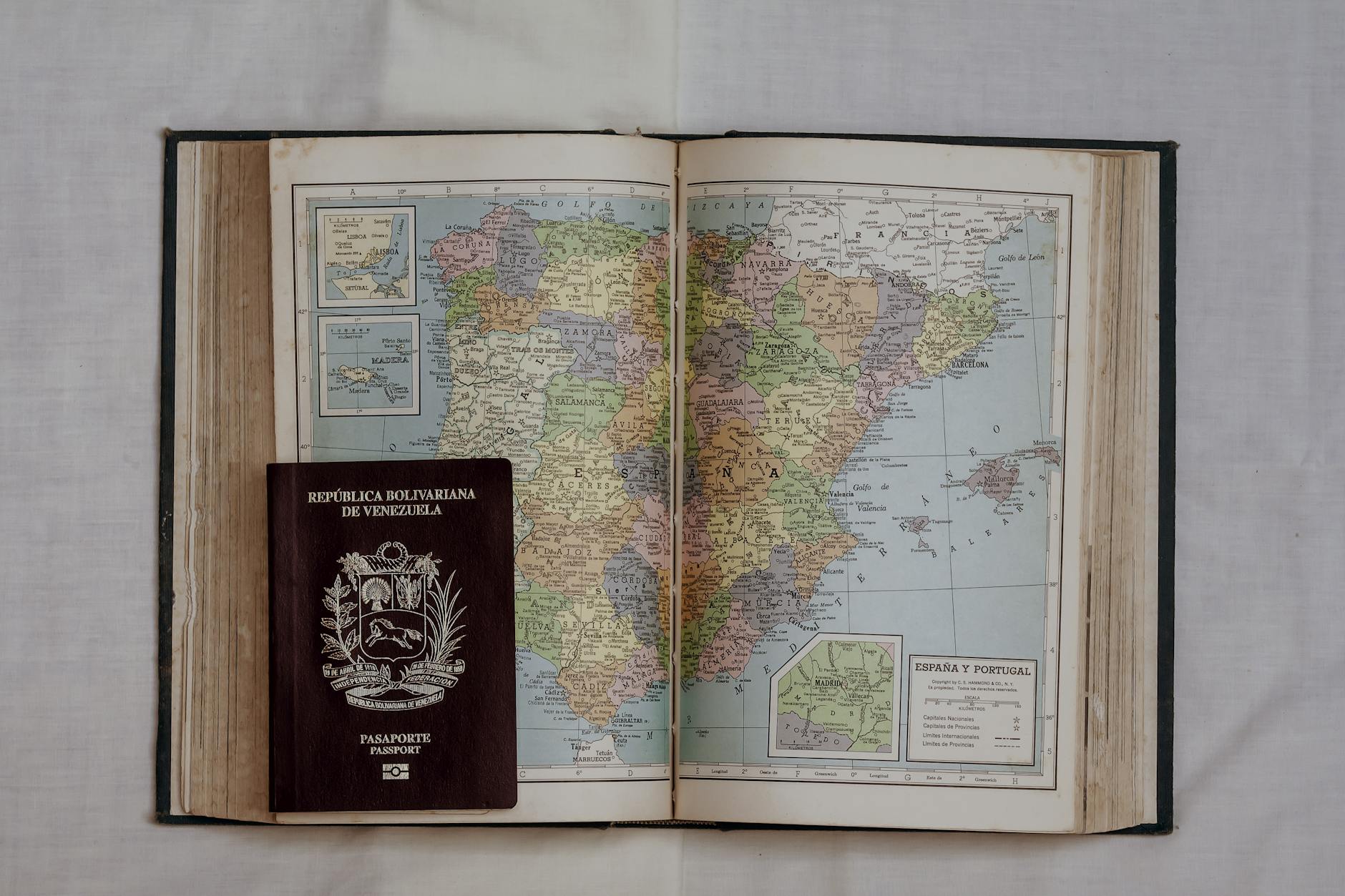 Photo by Arturo Añez. on Pexels
Why both systems exist
Both ETIAS and the EES are designed to strengthen security in Europe and to make travel safer for the people who use it. ETIAS is a new entry requirement for travellers who do not need a visa to enter the European countries that require it for a short stay; that group includes the Schengen countries together with Cyprus. With ETIAS, visa-free travellers will need to apply for a travel authorisation before they start their trip. Importantly, ETIAS is not a visa, and it does not change the visa-free status these travellers already enjoy.
The EES, by contrast, registers both visa-free and visa-required travellers entering Europe for a short stay. No advance action is needed from the traveller, because registration happens at the external border of the European countries using the system. It is carried out every time a traveller crosses an external border and replaces the manual stamping of passports.
How they work and when they apply
The two systems collect different information. When applying for an ETIAS travel authorisation, travellers provide personal details such as their address, passport information, current occupation, and answers about past travel to conflict zones or any criminal convictions. No biometric data, such as fingerprints, is collected for ETIAS.
The EES works differently: it captures a traveller's facial image and fingerprints, along with travel-document data and the date and place of each entry and exit. The timing differs too. Travellers apply for ETIAS well in advance of a trip, whereas EES registration takes place on arrival at the border. The two will not launch on the same day: the EES becomes operational first, and ETIAS follows a few months later, with the exact dates to be announced by the EU.
If you want a fuller picture of how the pre-travel authorisation fits into your plans, this overview of how ETIAS works is a useful next step.
Tags:
Source:
Image Sources:
- Header image: Photo by Arturo Añez. on Pexels
- Teaser image: Photo by Borys Zaitsev on Pexels