
News
Brexit White Paper: What It Suggested for Air Travel, Health Cover and Short Trips to Europe
Travelers board an airplane on the tarmac under a bright sky at the airport.
Article content
Brexit White Paper: What It Suggested for Air Travel, Health Cover and Short Trips to Europe
When the UK government published its Brexit White Paper in July 2018, roughly a week after the Prime Minister and Cabinet thrashed out a blueprint for the future relationship with the EU, it caused quite a stir. Beyond the resignations and heated debates, the document offered a clearer view of the government's thinking on issues that matter to the travel industry – described here as proposals on the table at the time, not settled outcomes.
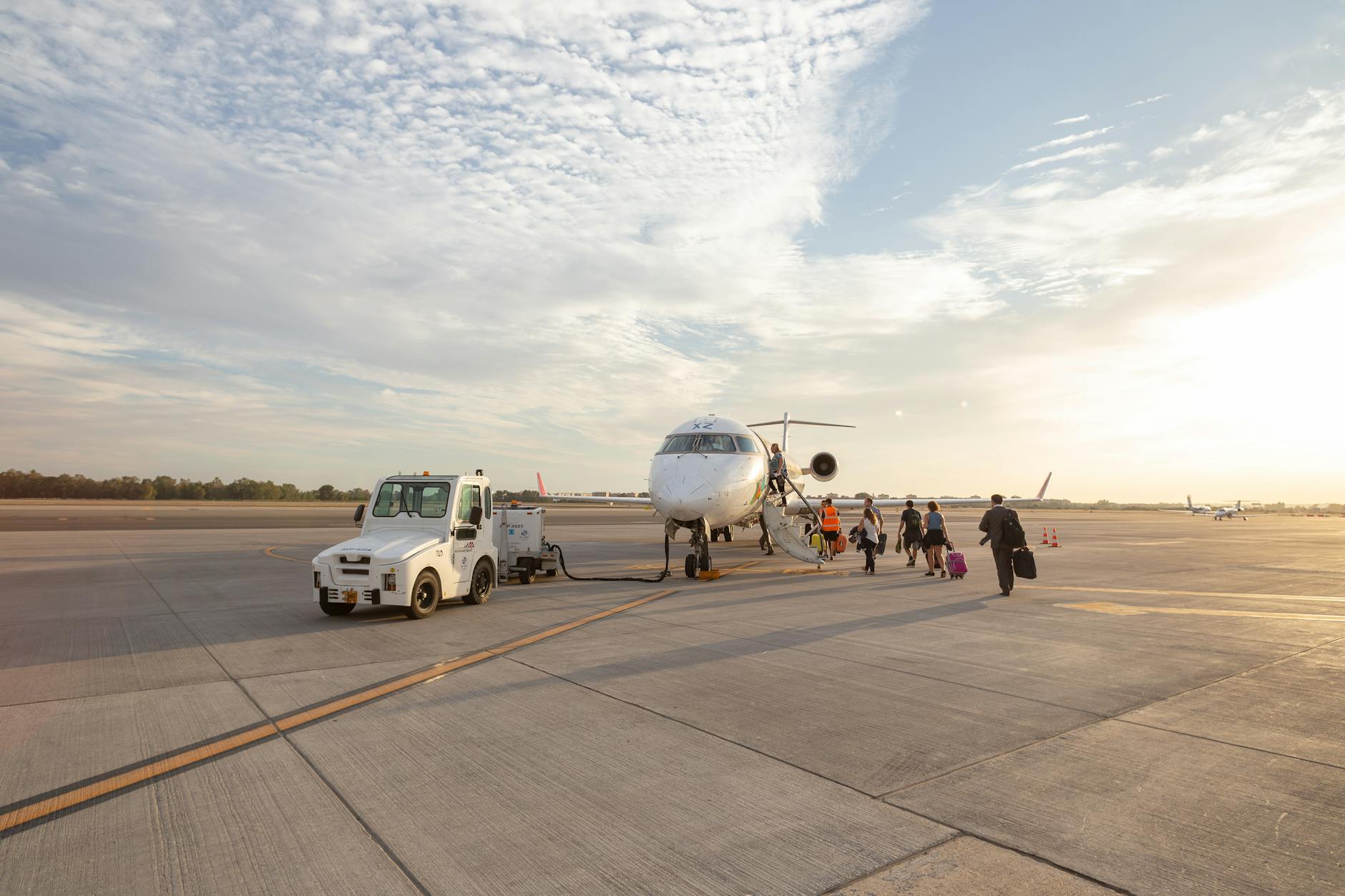 Photo by Stas Knop on Pexels
What the White Paper sought for travel
Several priorities that ABTA had long highlighted as essential to a thriving tourism industry featured in the paper, which the association welcomed as encouraging. In particular, the government said it was seeking:
- to maintain reciprocal liberalised aviation access ("open skies"), cooperation on air traffic management and continued participation in the European Aviation Safety Agency (EASA), as well as liberalised arrangements across other transport modes;
- visa-free travel for leisure and short-term business trips, while acknowledging this could involve the reciprocal use of electronic authorisation systems such as ETIAS to streamline border processes;
- retention of the EHIC health cover, framed clearly as keeping the scheme rather than replacing it with an equivalent;
- reciprocal high levels of consumer protection, underpinned by joint mechanisms for dispute resolution and information exchange.
What was still unclear
Not everything was resolved. The future arrangements around posted workers were vague, with the paper setting out an ambition for flexible, reciprocal employment arrangements in identified sectors but no direct reference to posted workers. There was also no detail on VAT for services – a significant issue for UK travel businesses – prompting ABTA to write to the Chancellor at the time, Philip Hammond, asking for further clarity.
 Photo by Philip Fredholm on Unsplash
What to bear in mind
As the negotiations progressed, three points were worth remembering. First, while it was useful to understand what the government was seeking, plenty of detail was still missing. Second, this was only how the UK wished the future relationship to work; the EU and individual member states would have their own ideas. Third, the domestic politics around Brexit looked set to intensify, which could affect both the talks and the final deal. ABTA said it would keep engaging proactively and call for a pragmatic approach that prioritised the needs of travellers and the travel industry. For a present-day picture of how EU entry rules have since taken shape, see this overview.
Tags:
Source:
Image Sources:
- Header image: Photo by Stas Knop on Pexels
- Teaser image: Photo by Philip Fredholm on Unsplash