
News
Tourist Taxes, Bus Bans and TikTok: How Europe's Cities Are Tackling Overcrowding
A woman stands at a glass window viewing airplanes at Singapore Airport, capturing the essence of travel and anticipation.
Article content
Tourist Taxes, Bus Bans and TikTok: How Europe's Cities Are Tackling Overcrowding
As Europe's most popular cities confront the strains of overtourism, many are reaching for tools that go well beyond the familiar tourist tax. The aim is no longer just to raise revenue, but to manage crowds, protect cultural heritage and safeguard residents' quality of life. The context matters too: the EU's ETIAS travel authorisation, a €7 requirement for non-EU visitors to around 30 European countries, was at the time delayed to 2025, adding another layer to how the continent thinks about who visits and how.
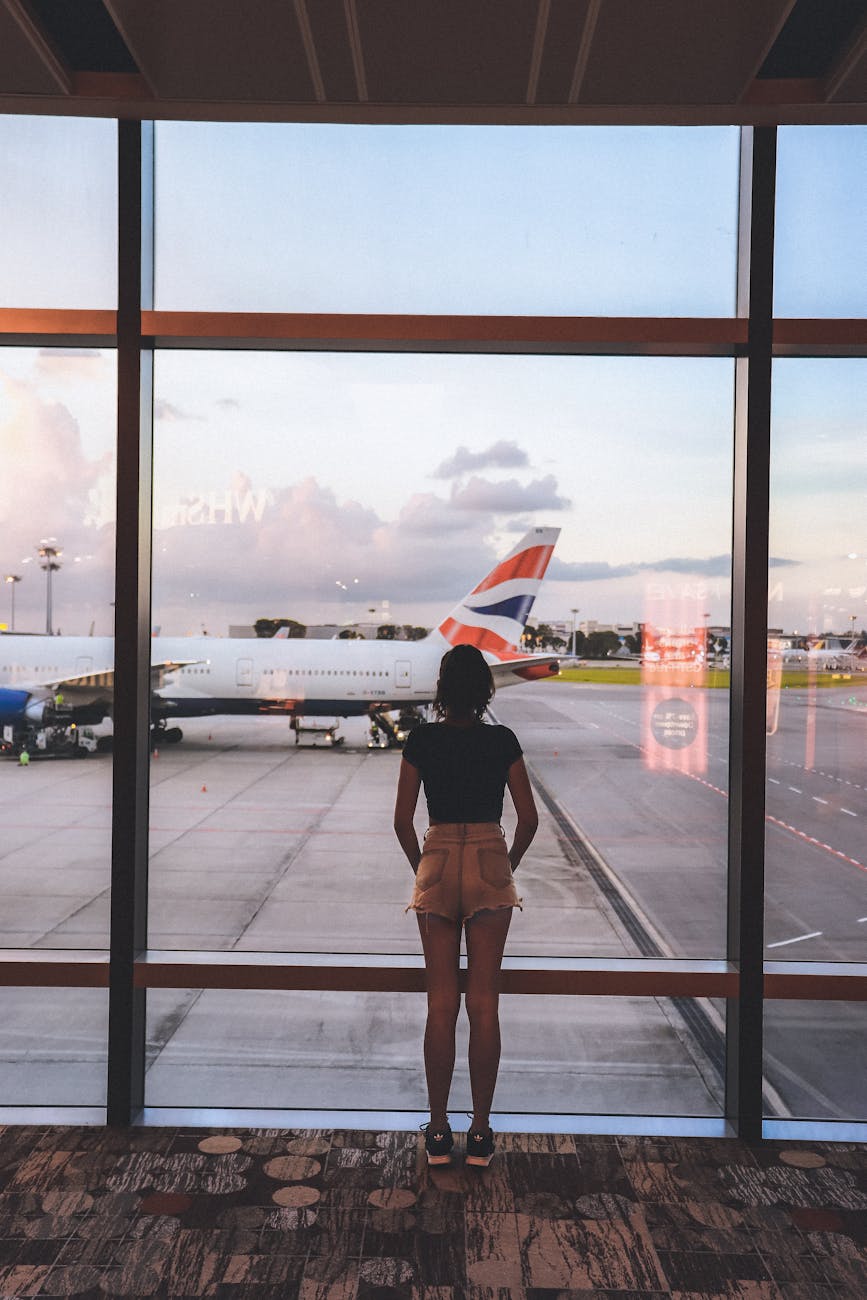 Photo by Palu Malerba on Pexels
Higher taxes and tighter rules in northern cities
Amsterdam pushed its tourist tax to 12.5 per cent of accommodation costs in 2024 — the highest rate in Europe — meaning an average €120 room could carry a €15 nightly charge. The Dutch capital also banned buses over 7.5 tonnes from the city centre, raised the day-tax for cruise passengers from €8 to €14, and stopped new bed-and-breakfasts opening in certain central districts to ease housing pressure.
Paris, meanwhile, raised its tourist tax by 200 per cent in 2024, partly to fund public transport improvements ahead of the Olympic Games. Rather than relying only on restrictions, France also leaned on social media influencers to spotlight lesser-known regions and steer visitors away from the busiest sites — a softer approach to spreading demand.
Visitor caps and cruise crackdowns in the south
Venice, a UNESCO World Heritage Site, began testing a €5 daily access fee for day-trippers who visit without staying overnight, trialled across selected days in 2024, alongside limiting tour groups to 25 people and banning loudspeakers. Athens introduced a daily cap of 20,000 visitors at the Acropolis, down from a previous average of around 23,000. Lisbon doubled its cruise-passenger tax to €2 per person from the start of 2024, with the mayor signalling tougher measures for operators who fail to comply.
 Photo by Mingyang LIU on Pexels
A shift towards managing, not just charging
Taken together, these moves mark a shift in thinking. Cities are blending financial tools with caps, traffic rules and smarter promotion, while tourism boards such as Portugal's emphasise sustainability and authenticity, using channels like TikTok to direct travellers towards quieter regions. Not every city wants fewer visitors — Dublin, for instance, has sought to raise its airport's passenger cap — but the overall direction is towards managing flows rather than simply welcoming ever-larger numbers. For travellers planning a European trip, it is worth understanding the bloc's wider entry rules; our ETIAS overview explains what visa-free visitors will eventually need.
Tags:
Source:
Image Sources:
- Header image: Photo by Palu Malerba on Pexels
- Teaser image: Photo by Mingyang LIU on Pexels