
News
The EU Is Digitising Border Control: What Travellers Need to Know
Spacious airport terminal with empty seating and a view of an airplane through large glass windows.
Article content
The EU Is Digitising Border Control: What Travellers Need to Know
The European Union is overhauling how it manages its external border. Two linked systems will, once active, record the entry and exit of all non-EU travellers and introduce a pre-travel fee and registration requirement for many people who previously enjoyed visa-free, no-cost access. The stated aims are to strengthen security and streamline crossings — though the plans have also raised questions about surveillance and potential delays.
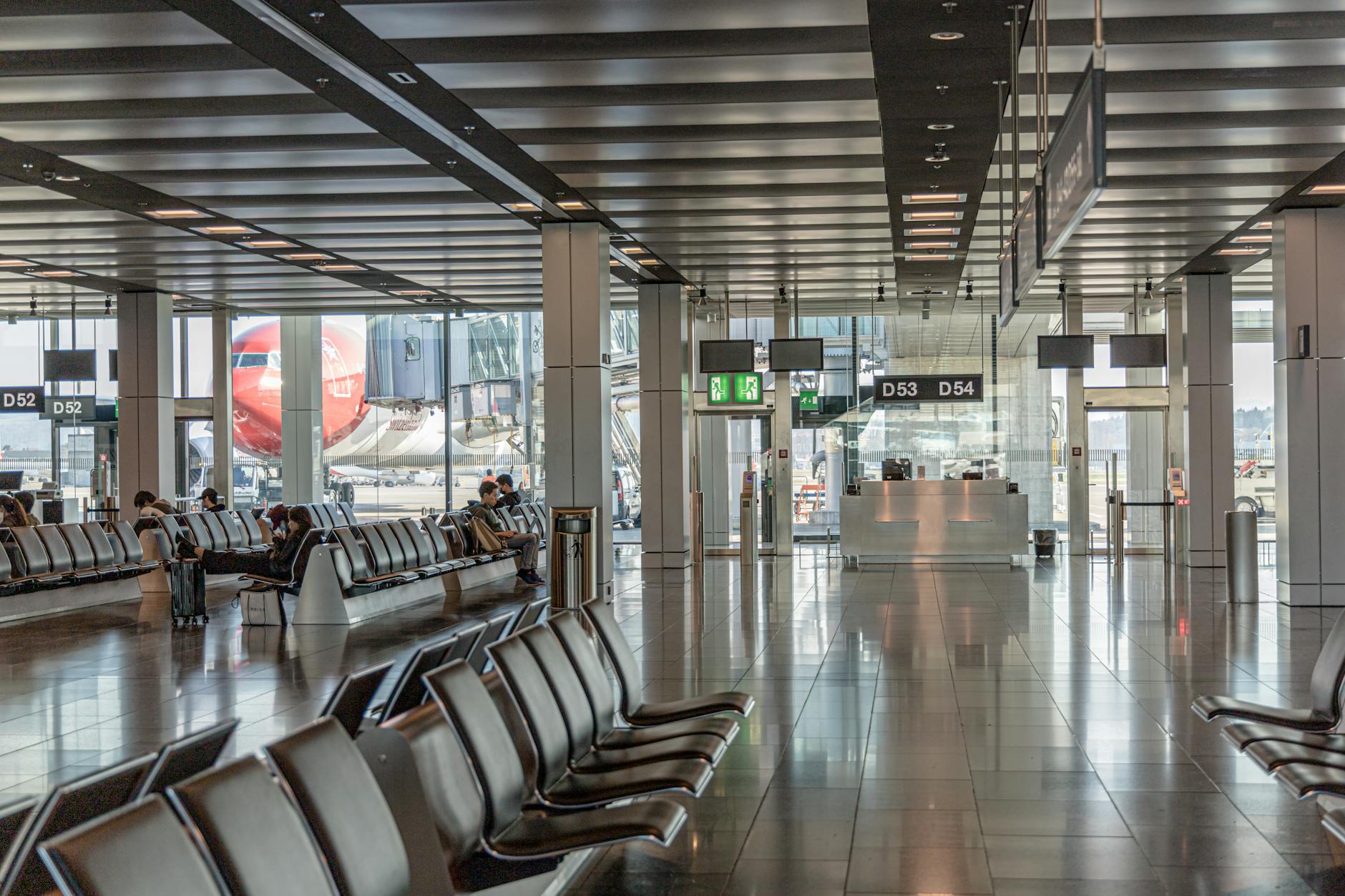 Photo by Tiago Alvar on Pexels
The Entry/Exit System
The Entry/Exit System (EES) will log the entry, exit and refusal of entry of all non-EU travellers. Automated kiosks carrying out biometric registration — a facial photo and four fingerprints — will replace physical passport stamping, and the data will be stored for three years, or five years for those who overstay. It does not apply to citizens of the EU or Schengen area.
The system addresses a long-standing gap. Currently, non-EU citizens from visa-exempt countries, including British nationals after Brexit, may spend only 90 days within any 180 days in the bloc, but there is no reliable way to know whether someone has overstayed beyond reading passport stamps — a method the Commission calls slow and error-prone. Some member states, including Spain, Portugal and Cyprus, run national tracking systems, but these cannot follow a traveller who leaves the EU via another country.
The ETIAS scheme and its costs
The second system, the European Travel Information and Authorisation System (ETIAS), is developed closely with the EES and will be introduced some months later. It will require visa-exempt non-EU travellers to apply for authorisation and pay a €7 charge before arriving. The Commission has said more than 95 per cent of applications will be approved automatically within minutes, and that authorisations will last three years and cover multiple trips. Comparable schemes already operate in Australia, Canada and the United States.
 Photo by Pham Huynh Tuan Vy on Pexels
Support, criticism and the debate ahead
The plans have drawn mixed reactions. Several member states warned that processing times at borders could rise sharply — Austria and Germany suggested control times could roughly double — while digital rights advocates at the European Digital Rights (EDRi) group cautioned against biometric mass surveillance and the risks of cyberattacks on centralised databases. The Commission countered that safeguards are in place, that personal data is retained only as long as necessary, and that biometric checks can reduce mistaken identity, racial profiling and people trafficking. As for revenue, the €7 fee — waived for under-18s and over-70s and valid across multiple trips — is intended to cover the system's running costs rather than turn a profit. For a clear summary of how these systems will affect visa-free travel, see our ETIAS overview.
Tags:
Source:
Image Sources:
- Header image: Photo by Tiago Alvar on Pexels
- Teaser image: Photo by Pham Huynh Tuan Vy on Pexels