
News
Dover Warns Post-Brexit Border Red Tape Could Overwhelm the Port by Easter
Colorful floor art in the terminal at Orlando International Airport, Florida.
Article content
Dover Warns Post-Brexit Border Red Tape Could Overwhelm the Port by Easter
As millions of travellers faced bank-holiday delays, the chief executive of the Port of Dover issued a stark warning: tough new EU border checks could leave the major transport hub struggling to cope with demand beyond Easter next year. Doug Bannister set out what the future of ferry travel from Dover to France will look like once biometric registration begins.
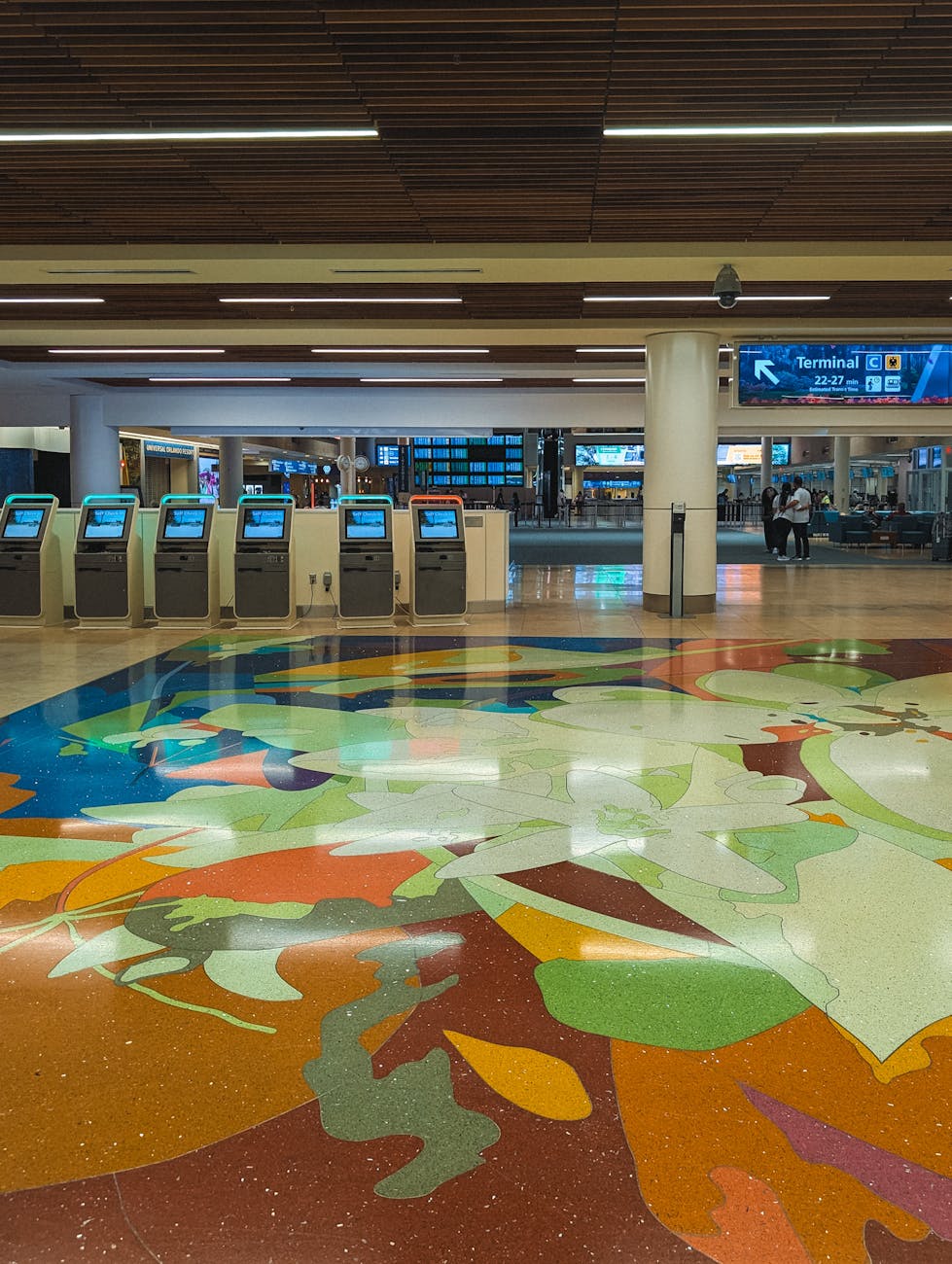 Photo by Alexey K. on Pexels
Why Dover is uniquely exposed
Dover is the busiest port for passenger traffic in western Europe, handling around 10 million passengers, 2 million cars and 70,000 coaches each year. It is also the only UK port with ‘juxtaposed’ controls, where French border officials clear travellers for Calais and Dunkirk while they are still on British soil. Since Brexit, long queues have built up because French police must check and stamp every UK passport.
From November, the EU Entry/Exit System (EES) will require every British traveller to provide fingerprints and a facial biometric. Crucially, while most outbound travellers are processed on arrival in the Schengen area, motorists and their passengers at Dover must be registered before departure — at a port never designed for such checks.
A canopy, tablets and sealed coaches
To handle the change, British holidaymakers in cars will be directed under a giant canopy being built at the Eastern Docks. There, staff with tablet computers will capture passport details, ask a few ‘Schengen questions’ about the trip, and take two biometrics: fingerprints and facial recognition. Once registered, drivers proceed to the existing border controls.
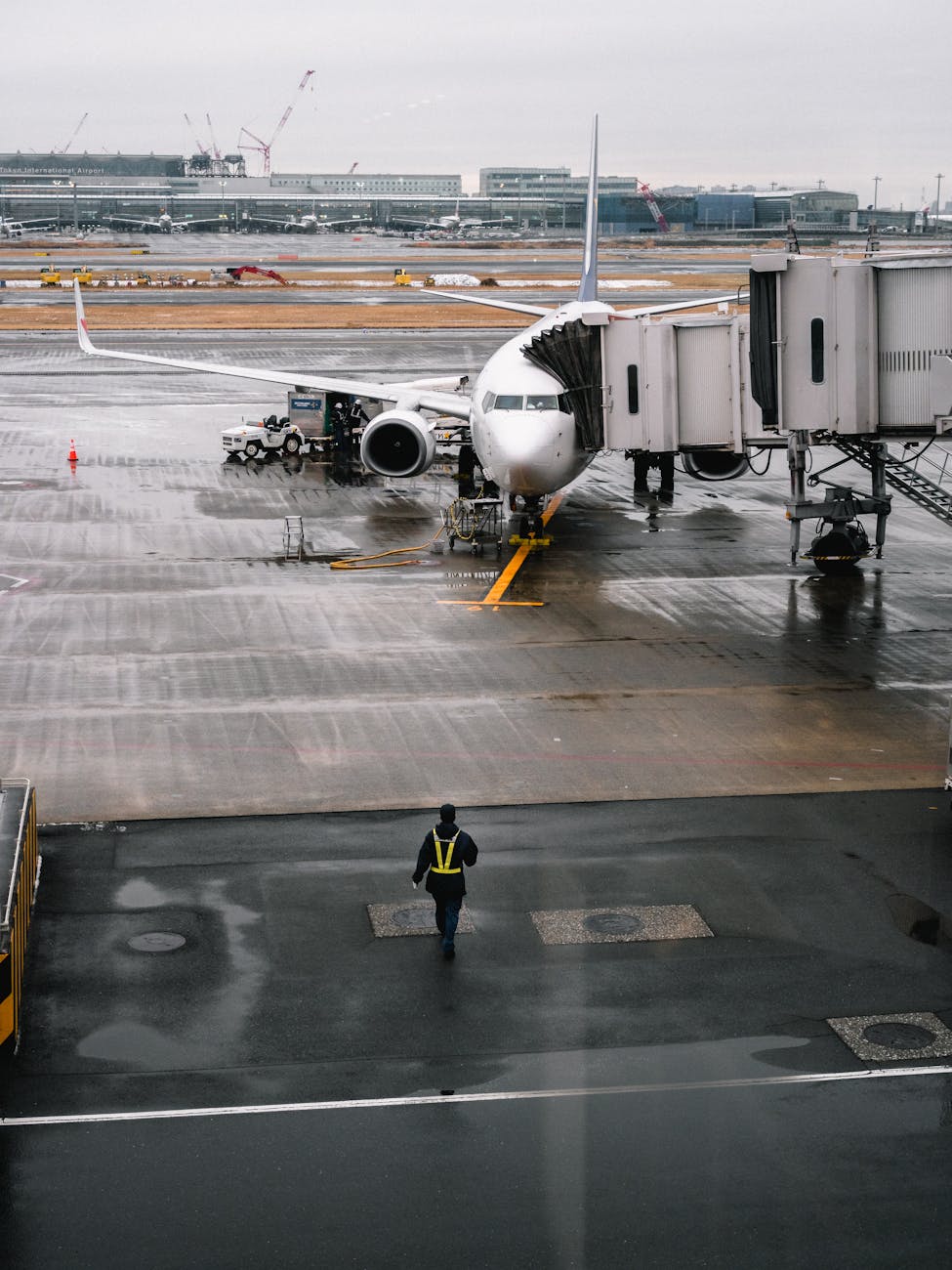 Photo by Matt Hardy on Pexels
Coach passengers will be processed separately at the Western Docks; once cleared, each coach is sealed and driven through the town with passengers effectively in French territory — a technique once used for transit between West Germany and West Berlin. Bannister said the infrastructure should cope from launch through to Easter, but warned it ‘will be inadequate’ for the full volume expected next summer, when more than 37,000 passengers can depart on the busiest days.
Industry investment and the road ahead
Operators are spending heavily to prepare. Eurostar has invested around £9 million and is installing roughly 65 pre-check-in kiosks at St Pancras and Gare du Nord, while Eurotunnel says it has spent more than £70 million on dedicated EES zones with 224 kiosks across its UK and French terminals. Bannister stressed that a ‘live trial’ before the 10 November switch-over is essential, given the technology risk of an untested system.
The EES is the first major step in the EU's long-delayed smart-borders project. Roughly six months after it is successfully running, the European Travel Information and Authorisation System (ETIAS) will begin to roll out, adding a pre-travel permit for non-EU visitors. Travellers can read an overview of how EES and ETIAS will work to prepare for the new checks.
Tags:
Source:
Image Sources:
- Header image: Photo by Alexey K. on Pexels
- Teaser image: Photo by Matt Hardy on Pexels